 Small batches, high standards. Our rapid prototyping service makes validation faster and easier —
  EN
EN


சிறிய அளவிலான ஆட்டோமொபைல் அடித்து வடிவமைப்பு: துல்லியம், வலிமை மற்றும் வேகம்
சிறிய அளவிலான ஆட்டோமொபைல் அடித்து வடிவமைப்பு: துல்லியம், வலிமை மற்றும் வேகம்
சுருக்கமாக
சிறிய தொகுப்பு ஆட்டோமொபைல் போர்ஜிங் என்பது வாகனங்களுக்கான அதிக வலிமை கொண்ட, தனிப்பயன் உலோக பாகங்களின் குறைந்த அளவு உற்பத்திக்கு பயன்படுத்தப்படும் சிறப்பு தயாரிப்பு செயல்முறையாகும். உலோகத்தின் உள்ளமைந்த திரை அமைப்பை ஒருங்கிணைப்பதன் மூலம் உயர்ந்த நீடித்தன்மையை வழங்குவதால், இது பொறி பாகங்கள் மற்றும் சஸ்பென்ஷன் இணைப்புகள் போன்ற முக்கியமான பாகங்களை உருவாக்குவதற்கு ஏற்றதாக உள்ளது. நம்பகத்தன்மை கட்டாயமாக தேவைப்படும் இடங்களில் புரோடோடைப்களை உருவாக்குவதற்கும், சிறு சந்தைகள் அல்லது கிளாசிக் கார் சந்தைகளுக்கு சேவை செய்வதற்கும், செயல்திறன் பாகங்களை தயாரிப்பதற்கும் இந்த முறை குறிப்பிடத்தக்க மதிப்பைக் கொண்டுள்ளது.
சிறிய தொகுப்பு ஆட்டோமொபைல் போர்ஜிங் பற்றி அறிதல்
சிறிய தொகுப்பு ஆட்டோமொபைல் அடிப்பது என்பது உலோகத்தை சூடேற்றி, அழுத்தும் விசைகளைப் பயன்படுத்தி குறைந்த அளவு பாகங்களை உருவாக்கும் ஒரு உற்பத்தி செயல்முறையாகும். உருகிய உலோகத்தை ஒரு வார்ப்புருவில் ஊற்றும் வார்ப்பு முறைக்கு மாறாக, அடிப்பது திட உலோகத்தை உருவாக்குகிறது, இது அதன் இயந்திர பண்புகளை அடிப்படையில் மேம்படுத்துகிறது. அதிகபட்ச அழுத்தத்தையும், சோர்வையும் தாங்கக்கூடிய பாகங்களை உருவாக்குவதற்கு இந்த செயல்முறை அவசியமாக உள்ளது. எனவே இது ஆட்டோமொபைல் பாதுகாப்பு மற்றும் செயல்திறனுக்கான முக்கிய அடித்தளமாக உள்ளது.
அடிப்பதின் முதன்மை நன்மை உலோகத்தின் தானிய அமைப்பை மேம்படுத்தும் அதன் திறனில் உள்ளது. அழுத்தும் விசை பாகத்தின் இறுதி வடிவத்துடன் தானிய ஓட்டத்தை ஒழுங்கமைக்கிறது, இது பிற முறைகளில் பொதுவாகக் காணப்படும் துளைகள் மற்றும் உள்ளக குறைபாடுகளை நீக்குகிறது. இதன் விளைவாக பாகங்கள் அசாதாரண இழுவிசை வலிமை, தாக்க எதிர்ப்பு மற்றும் மொத்த நீடித்தன்மையைப் பெறுகின்றன. அது யுனிவர்சல் மெட்டல்ஸ் விளக்குகிறது , இந்த கட்டமைப்பு உறுதிப்பாடு தீர்மானிக்கப்பட்ட பயன்பாடுகளுக்கு அடிப்பட்ட பாகங்களைத் தேர்வு செய்யும் முக்கிய காரணமாகும்.
சிறிய தொகுப்பு உற்பத்திக்கு, இந்த செயல்முறை பல தனித்துவமான நன்மைகளை வழங்குகிறது:
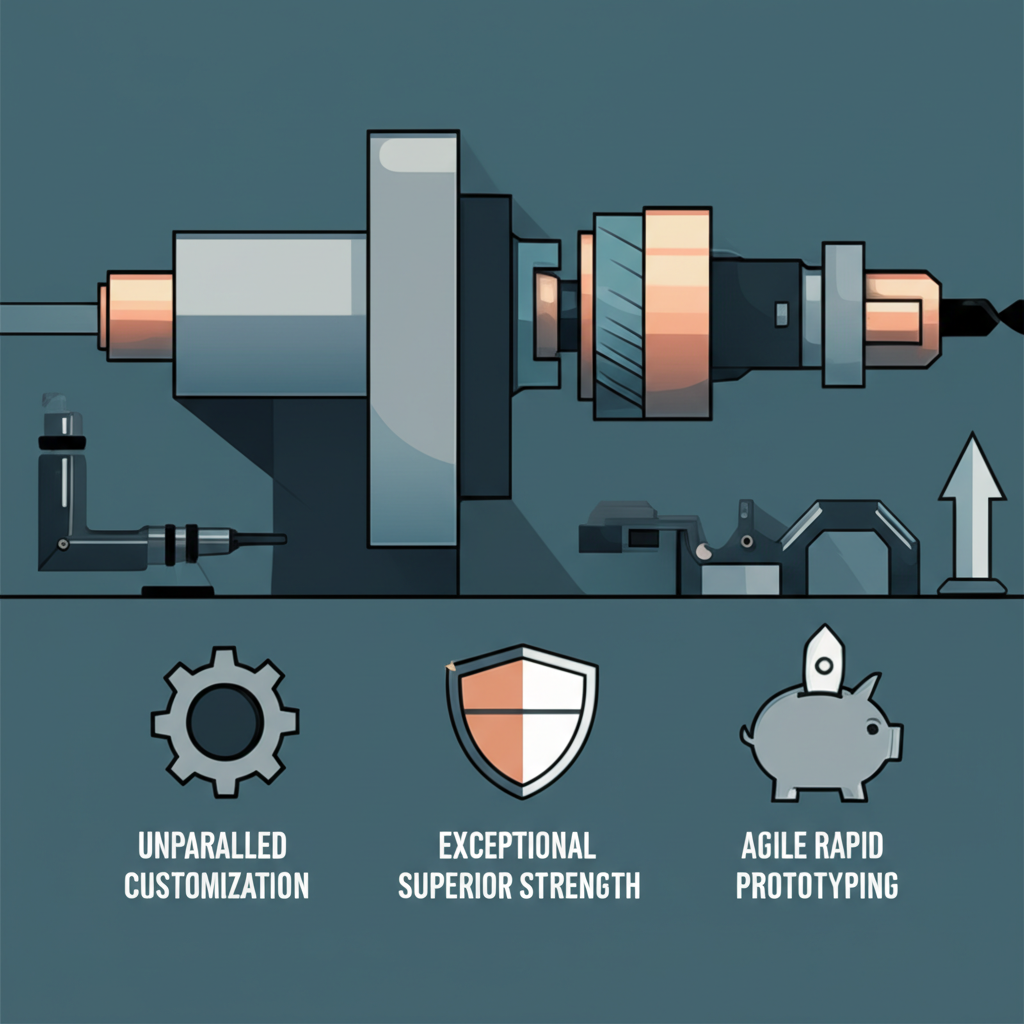
- தனிப்பயனாக்கம் மற்றும் துல்லியம்: சிறிய அளவிலான உற்பத்தி துல்லியமான தரநிலைகளுக்கு ஏற்ப பாகங்களை உருவாக்க உதவுகிறது, இது தனிப்பயன் வாகனங்கள், முன்மாதிரிகள் அல்லது சிறப்பு உபகரணங்களுக்கு ஏற்றது. நிறுவனங்கள் தனித்துவமான, சிக்கலான வடிவமைப்புகளுக்கான தனிப்பயன் அச்சுகளை உருவாக்கி, மீண்டும் ஆர்டர் செய்யும்போது பயன்படுத்தும் வகையில் சேமித்து வைக்கலாம்.
- குறைந்த அளவு உற்பத்திக்கான செலவு சார்ந்த சிக்கனம்: அச்சுறுத்தலுக்கு குறிப்பிடத்தக்க கருவி செலவுகள் இருந்தாலும், ஒரு சில அலகுகளிலிருந்து ஆயிரக்கணக்கான அளவுகளுக்கு இடைப்பட்ட உற்பத்திக்கு அச்சு இரும்பு செய்வதை விட அதிக பொருளாதார சாத்தியம் கொண்டதாக அச்சுறுத்தல் இருக்க முடியும், ஏனெனில் அச்சு இரும்பு செய்வதற்கான மேலும் அதிகமான கருவி செலவுகள் பொதுவாக பெருமளவு உற்பத்தியை தேவைப்படுத்துகிறது. புதிய வடிவமைப்புகளை சோதிக்கவோ அல்லது குறைந்த அளவிலான பதிப்பு வாகனங்களுக்கு பாகங்களை வழங்கவோ இது முக்கியமானது.
- விரைவான முன்மாதிரி உருவாக்கம் மற்றும் உருவாக்கம்: உற்பத்தியாளர்கள் செயல்பாட்டு முழுமையான வலிமை கொண்ட முன்மாதிரிகளை விரைவாக உருவாக்கி சோதிக்க முடியும். க்வீன் சிட்டி ஃபோர்ஜ் குறிப்பிட்டது போல, தரத்தை தியாகம் செய்யாமல் வடிவமைப்பு மற்றும் சரிபார்ப்பு சுழற்சியை முடுக்குவதற்கு இந்த திறன் முக்கியமானது.
- மேம்பட்ட பொருள் பண்புகள்: தோல்வி பேரழிவை ஏற்படுத்தக்கூடிய உறுப்புகளுக்கு ஏற்றவாறு, இந்த செயல்முறை இயந்திரம் அல்லது ஓட்டை உருவாக்கப்பட்ட அதிகாரப்பூர்வ பாகங்களை விட மிகவும் வலிமையானவையும் நம்பகமானவையுமான பாகங்களை வழங்குகிறது.
ஆட்டோமொபைல் தொழில்துறையில் முக்கிய பயன்பாடுகள்
வலிமை, பாதுகாப்பு மற்றும் நம்பகத்தன்மை முக்கியமானவையாக இருக்கும் உறுப்புகளுக்கு ஆட்டோமொபைல் தொழில் அதிகமாக உருவாக்கத்தை நம்பியுள்ளது. ஒரு கார் அல்லது லாரி 250 க்கும் மேற்பட்ட உருவாக்கப்பட்ட பாகங்களைக் கொண்டிருக்கலாம், அதிக அழுத்தம் மற்றும் அதிர்ச்சியின் பகுதிகளில் குவிந்துள்ளன. Brockhouse போன்ற நிபுணர்களால் விரிவாக விளக்கப்பட்டபடி, இந்த பயன்பாடுகள் சக்தி பாதை முதல் சேஸிஸ் வரை முழு வாகனத்தையும் பரவியுள்ளன.
எஞ்சின் மற்றும் சக்தி பாதை உறுப்புகள்
எஞ்சின் மற்றும் கியர்பாக்ஸ் தொடர்ந்து வெப்பம் மற்றும் இயந்திர அழுத்தத்திற்கு உட்படுகின்றன. நீண்ட ஆயுள் மற்றும் செயல்திறனை உறுதி செய்ய கோதுமை பாகங்கள் அவசியம். பொதுவான உதாரணங்களில் கிராங்க்ஷாஃப்ட், இணைப்பு கம்பிகள், கேம்ஷாஃப்ட் மற்றும் கியர்பாக்ஸ் கியர்கள் அடங்கும். இந்த பாகங்களின் மேம்படுத்தப்பட்ட தானிய அமைப்பு எஞ்சின் இயக்கத்தின் சுழல்பு சுமைகள் மற்றும் அதிக வெப்பநிலைகளை எதிர்க்க உதவி, முன்கூட்டியே பழுதடைவதை தடுக்கிறது.
கியர்பாக்ஸ் மற்றும் சக்கர இயக்க பாகங்கள்
எஞ்சினிலிருந்து சக்கரங்களுக்கு சக்கர இயக்க அமைப்பின் மூலம் சக்தி கடத்தப்படுகிறது, இதற்கு திருப்பு விசை மற்றும் அதிர்ச்சி சுமைகளை சமாளிக்க உறுதியான பாகங்கள் தேவை. டிரைவ் ஷாஃப்ட், யுனிவர்சல் ஜாயிண்ட், கிளட்ச் ஹப் மற்றும் டிஃபரென்ஷியல் கியர்கள் போன்ற கோதுமை பாகங்கள் அதிக செயல்திறன் அல்லது கனரக வாகனங்களில் கூட நம்பகமான சக்தி கடத்தலுக்கு தேவையான வலிமை மற்றும் சோர்வு எதிர்ப்பை வழங்குகின்றன.
சஸ்பென்ஷன் மற்றும் சாசி பாகங்கள்
வாகன பாதுகாப்பு மற்றும் கையாளுதலுக்கு சஸ்பென்ஷன் மற்றும் ஸ்டீயரிங் அமைப்புகள் மிகவும் முக்கியமானவை. இந்த பாகங்கள் சாலையிலிருந்து ஏற்படும் தாக்கங்களை உறிஞ்சி, துல்லியமான கட்டுப்பாட்டை பராமரிக்க வேண்டும். சக்கர ஸ்பிண்டில்கள், கிங்பின்கள், ஸ்டீயரிங் ஆர்ம்கள், கன்ட்ரோல் ஆர்ம்கள் மற்றும் அசல் பீம்கள் போன்ற ஃபோர்ஜ் செய்யப்பட்ட பாகங்கள் பொதுவாக பயன்படுத்தப்படுகின்றன. அவற்றின் உயர்ந்த வலிமை, அதிகபட்ச சுமை நிலைமைகளில் தோல்வியடையாமல் இருப்பதை உறுதி செய்கிறது, வாகனத்தையும் அதில் பயணிப்பவர்களையும் பாதுகாக்கிறது.
சிறிய தொகுப்பு ஃபோர்ஜிங் செயல்முறை: வடிவமைப்பிலிருந்து டெலிவரி வரை
சிறிய தொகுப்பு ஃபோர்ஜிங் மூலம் ஒரு தனிப்பயன் ஆட்டோமொபைல் பாகத்தை கருத்திலிருந்து உண்மையாக்குவது என்பது பல நிலைகளைக் கொண்ட துல்லியமான செயல்முறையாகும், இது பொறியியலை வல்லுநர் கைவினைத்திறனுடன் இணைக்கிறது. இந்த பணிப்பாய்வு ஒவ்வொரு பாகமும் வலிமை, பொருத்தம் மற்றும் செயல்திறனுக்கான கண்டிப்பான தரநிலைகளை பூர்த்தி செய்வதை உறுதி செய்கிறது.
- ஆலோசனை மற்றும் வடிவமைப்பு: திட்டத்தின் தேவைகளைப் புரிந்துகொள்ள விரிவான ஆலோசனையுடன் செயல்முறை தொடங்குகிறது. பாகத்தின் வடிவவியலை மேம்படுத்தவும், அடித்து உருவாக்கும் போது உலோகம் எவ்வாறு பாயும் என்பதை முன்கணிக்கவும் பொறியாளர்கள் கணினி உதவியுடன் வடிவமைப்பு (CAD) மாதிரிகளையும், முடிவுற்ற உறுப்பு முறை (FEM) இயங்குதளங்களையும் பயன்படுத்துகின்றனர். இந்த இலக்கமயமான முதல் அணுகுமுறை எந்த உலோகமும் வெட்டுவதற்கு முன்பே பலத்தன்மை மற்றும் உற்பத்தி செய்யக்கூடியதற்காக வடிவமைப்பை உகந்த நிலைக்கு மாற்றுகிறது.
- கருவி மற்றும் டை தயாரிப்பு: வடிவமைப்பு இறுதி செய்யப்பட்ட பிறகு, ஒரு தனிப்பயன் டை உருவாக்கப்படுகிறது. அச்சு-டை அடித்தலுக்கு, இது பாகத்தின் எதிர்மறை அச்சுருவத்தை அதிக வலிமை கொண்ட எஃகின் பெரிய துண்டுகளில் செதுக்குவதை உள்ளடக்கியது. இந்த கருவியின் துல்லியம் மிகவும் முக்கியமானது, ஏனெனில் இது அடித்து உருவாக்கப்பட்ட பாகத்தின் இறுதி அளவுகள் மற்றும் மேற்பரப்பு முடித்தலை நேரடியாக தீர்மானிக்கிறது.
- அடித்து உருவாக்கும் செயல்பாடு: எடுத்துக்காட்டாக, எஃகு அல்லது அலுமினிய உலோகக்கலவை போன்ற உலோகத்தின் அச்சுருக்கப்படாத கட்டி ஒரு குறிப்பிட்ட வெப்பநிலைக்கு சூடேற்றப்பட்டு அதனை உருவமைக்கும் தன்மையுள்ளதாக மாற்றப்படுகிறது. பின்னர் அது கீழ் அச்சின் மேல் வைக்கப்படுகிறது, மேல் அச்சு ஒரு அடிப்படை அல்லது ஹேமர் மூலம் பெரும் விசையுடன் கீழே அழுத்தப்படுகிறது. இந்த செயல் உலோகத்தை ஓட வைத்து அச்சு குழியை நிரப்பச் செய்து, விரும்பிய வடிவத்தை உருவாக்கி, அதன் உள் தானிய அமைப்பை மேம்படுத்துகிறது.
- முடித்தல் மற்றும் தரக் கண்காணிப்பு: அடிப்படைக்குப் பிறகு, பாகம் பல முடித்தல் படிகளைச் சந்திக்கிறது. ஃபிளாஷ் என அழைக்கப்படும் அதிகப்படியான பொருள் வெட்டி நீக்கப்படுகிறது. பின்னர் அந்த பாகம் அதன் கடினத்தன்மை மற்றும் வலிமையை மேம்படுத்த வெப்பத்திற்கு உட்படுத்தப்படலாம், அதைத் தொடர்ந்து முக்கிய பரப்புகளில் சரியான அளவு தரத்தை அடைய இயந்திர செயலாக்கம் செய்யப்படுகிறது. இறுதியாக, பாதுகாப்பு மற்றும் செயல்திறன் தரநிலைகள் அனைத்தையும் பூர்த்தி செய்வதை உறுதி செய்ய, பிளவு கண்டறிதல் சோதனை மற்றும் அளவுரு சரிபார்ப்பு உள்ளிட்ட கண்டிப்பான தரக் கண்காணிப்பு ஒவ்வொரு பாகத்திற்கும் செய்யப்படுகிறது.

உங்கள் திட்டத்திற்கான சரியான அடிப்படை பங்காளியைத் தேர்வு செய்தல்
சிறிய அளவிலான ஆட்டோமொபைல் போர்ஜிங்கிற்கான சரியான வழங்குநரைத் தேர்ந்தெடுப்பது, தயாரிப்புத் தரம், திட்டக் காலஅட்டவணைகள் மற்றும் பட்ஜெட் ஆகியவற்றை நேரடியாகப் பாதிக்கும் ஒரு முக்கிய முடிவாகும். சரியான கூட்டாளி என்பது வெறும் தயாரிப்பாளரை மட்டும் மீறியதாக இருக்க வேண்டும்; அவர்கள் வடிவமைப்பிலிருந்து டெலிவரி வரை உங்களை வழிநடத்தக்கூடிய ஒரு தொழில்நுட்ப நிபுணராக இருக்க வேண்டும். சாத்தியமான வழங்குநர்களை மதிப்பீடு செய்யும்போது, வெற்றிகரமான முடிவை உறுதி செய்ய பல முக்கிய விதிமுறைகளில் கவனம் செலுத்தவும்.
பொருள் மற்றும் தொழில்நுட்ப நிபுணத்துவம்
உலோகவியல் குறித்த வழங்குநரின் ஆழமான புரிதல் கட்டாயமானது. கார்பன் ஸ்டீல், அலாய் ஸ்டீல் மற்றும் அலுமினியத்தின் பல்வேறு தரங்கள் உட்பட பல்வேறு பொருட்களுடன் பணியாற்றுவதில் அவர்கள் நிரூபிக்கப்பட்ட அனுபவம் பெற்றிருக்க வேண்டும். பாகங்களின் செயல்திறன் மற்றும் தயாரிப்பு சாத்தியத்தை அதிகரிக்க CAD/CAM மற்றும் சிமுலேஷன் மென்பொருளை அவர்கள் எவ்வாறு பயன்படுத்துகிறார்கள் என்பது குறித்து வடிவமைப்பு மற்றும் பொறியியல் ஆதரவு பற்றி கேளுங்கள்.
உற்பத்தி திறன்கள் மற்றும் அளவில் அதிகரிக்கும் திறன்
உங்கள் குறிப்பிட்ட தேவைகளை சமாளிக்கக்கூடிய கொள்ளவேலை பங்குதாரரை உறுதி செய்யவும். முன்மாதிரிகள் மற்றும் சிறிய தொகுப்புகளுக்கான சேவைகளை வழங்கும் நிறுவனங்களைத் தேடவும், அதே நேரத்தில் உங்கள் திட்டம் வெற்றி பெற்றால் பெரிய உற்பத்தி ஓட்டங்களுக்கு அளவில் மாற்றம் செய்யும் திறனையும் கொண்டிருக்க வேண்டும். இந்த நெகிழ்வுத்தன்மை, கார்போ ஃபோர்ஜ் உங்கள் தொகுப்பு தேவைகள் மாறும்போது நீங்கள் வழங்குநர்களை மாற்ற வேண்டிய அவசியத்தைத் தடுக்கிறது.
தர சான்றிதழ்கள் மற்றும் தரநிலைகள்
ஆட்டோமொபைல் பயன்பாடுகளுக்கு, சான்றிதழ்கள் நம்பகத்தன்மை மற்றும் செயல்முறை கட்டுப்பாட்டின் முக்கிய குறியீடாகும். IATF 16949 மற்றும் ISO 9001 போன்ற தரநிலைகளுக்கு ஒரு வழங்குநர் பின்பற்றுவது, தொழில்துறை தேவைக்கான உயர்ந்த தரத்திற்கான அவர்களின் அர்ப்பணிப்பைக் காட்டுகிறது. எடுத்துக்காட்டாக, Shaoyi Metal Technology வேகமான முன்மாதிரி தயாரிப்பிலிருந்து தொடங்கி தொடர் உற்பத்தி வரை ஆட்டோமொபைல் கொள்ளவேலையில் தங்கள் நிபுணத்துவத்திற்கான உத்தரவாதமாக IATF 16949 சான்றிதழை வெளிப்படுத்துகின்றன. உருவாக்கும் தொழில்நுட்பம் மற்றும் மூலோபாய ஏற்றுமதி போன்ற உள்நாட்டு திறன்களும் நம்பகமான பங்குதாரரைக் குறிக்கும் வலுவான அடையாளங்களாகும்.
முடிக்க ஆகும் நேரம் மற்றும் தொடர்பு
போட்டித்தன்மை வாய்ந்த சந்தையில், வேகம் அவசியமானது. கருவிகள் மற்றும் உற்பத்திக்கான சாதாரண தொடக்க கால அளவைப் பற்றி விசாரிக்கவும். சிறிய அளவிலான ஆர்டர்களுக்கு விரைவான முடிவுகளை வழங்கும் ஒரு பங்காளி உங்கள் உருவாக்க சுழற்சியை மிகவும் வேகப்படுத்த முடியும். உங்கள் திட்டம் சரியான பாதையில் இருப்பதையும், காலக்கெடுக்களை பூர்த்தி செய்வதையும் உறுதி செய்ய தெளிவான, தொடர்ச்சியான தகவல்தொடர்பு மற்றும் திட்ட மேலாண்மை சமமாக முக்கியமானது.
அடிக்கடி கேட்கப்படும் கேள்விகள்
1. தொட்டுருவாக்கும் செயல்முறைகளின் 4 வகைகள் என்ன?
அடிப்படையில் நான்கு வகையான உருவாக்கம் உள்ளது: இம்பிரஷன் டை ஃபோர்ஜிங் (அல்லது மூடிய-டை ஃபோர்ஜிங்), திறந்த-டை ஃபோர்ஜிங், குளிர் ஃபோர்ஜிங் மற்றும் சீம்லெஸ் ரோல்ட் ரிங் ஃபோர்ஜிங். இம்பிரஷன் டை ஃபோர்ஜிங் கடினமான, துல்லியமான வடிவங்களை உருவாக்க தனிப்பயன் டைகளைப் பயன்படுத்துவதால் ஆட்டோமொபைல் பாகங்களுக்கு பொதுவானது. திறந்த-டை ஃபோர்ஜிங் குறைவான துல்லியமானது, பெரிய, எளிய வடிவங்களுக்கு பயன்படுத்தப்படுகிறது. குளிர் ஃபோர்ஜிங் வலிமையை அதிகரிக்க அறை வெப்பநிலையில் செய்யப்படுகிறது, அதே நேரத்தில் சீம்லெஸ் ரோல்ட் ரிங் ஃபோர்ஜிங் வலுவான, வட்ட பாகங்களை உருவாக்குகிறது.
2. ஃபோர்ஜிங், வெல்டிங்கை விட வலுவானதா?
ஆம், பெரும்பாலான கட்டமைப்பு பயன்பாடுகளில், சேர்த்து வடிவமைத்தலை விட உருவாக்குதல் வலிமையானது. உருவாக்குதல் ஒரு தனி உலோகத்தை வடிவமைத்து, பாகத்தின் வடிவத்திற்கு ஏற்ப அதன் உள்ளமைந்த தானிய அமைப்பை சீரமைக்கிறது, இது தாக்கத்திற்கும், சோர்விற்கும் எதிரான வலிமையை அதிகரிக்கிறது. சேர்த்து வடிவமைத்தல் இரு தனி உலோகங்களை அவற்றின் ஓரத்தில் உருக்குவதன் மூலம் இணைக்கிறது, இது பெற்றோர் பொருளை விட வலிமையில்லாமலோ அல்லது மெலிதாகவோ இருக்கக்கூடிய வெப்பத்தால் பாதிக்கப்பட்ட மண்டலத்தை உருவாக்கலாம்.
ஆட்டோமொபைல் தொழிலில் இரும்பு செய்முறை என்றால் என்ன?
ஆட்டோமொபைல் தொழிலில், அதிக அழுத்தம் மற்றும் தாக்கத்திற்கு உட்பட்ட வாகனத்தின் பகுதிகளுக்கான உயர் வலிமை, நீடித்தன்மை வாய்ந்த பாகங்களை உற்பத்தி செய்ய உருவாக்குதல் ஒரு முக்கிய தயாரிப்பு செயல்முறையாகும். இதில் கிராங்க்ஷாஃப்டுகள் போன்ற எஞ்சின் பாகங்கள், கியர்கள், கட்டுப்பாட்டு கையேடுகள் மற்றும் ஸ்டீயரிங் கனக்குகள் போன்ற சஸ்பென்ஷன் பாகங்கள் அடங்கும், இவை அனைத்தும் வாகனத்தின் செயல்திறன் மற்றும் பாதுகாப்பிற்கு அவசியமானவை.
4. எந்த உலோகத்தை உருவாக்க முடியாது?
ஈய இரும்பு என்பது அடிக்கடி உருவாக்க முடியாத ஒரு குறிப்பிடத்தக்க உலோகமாகும். அதன் பெயர் குறிப்பிடுவது போல, ஈய இரும்பின் வேதியியல் கலவை (அதிக கார்பன் உள்ளடக்கம்) அதை உருவாக்கும் செயல்முறையில் அழுத்த விசைகளுக்கு உட்படுத்தும்போது நொறுங்கும் தன்மை கொண்டதாக ஆக்குகிறது. அதை அடித்து அல்லது அழுத்தி வடிவமைப்பதற்கு பதிலாக, உருகி வார்ப்பில் (ஓட்டுதல்) ஊற்றுவதற்கே வடிவமைக்கப்பட்டுள்ளது.