 Small batches, high standards. Our rapid prototyping service makes validation faster and easier —
  EN
EN


Monoblock Vs Multipiece Forged Wheels: 9 Essential Points To Decide
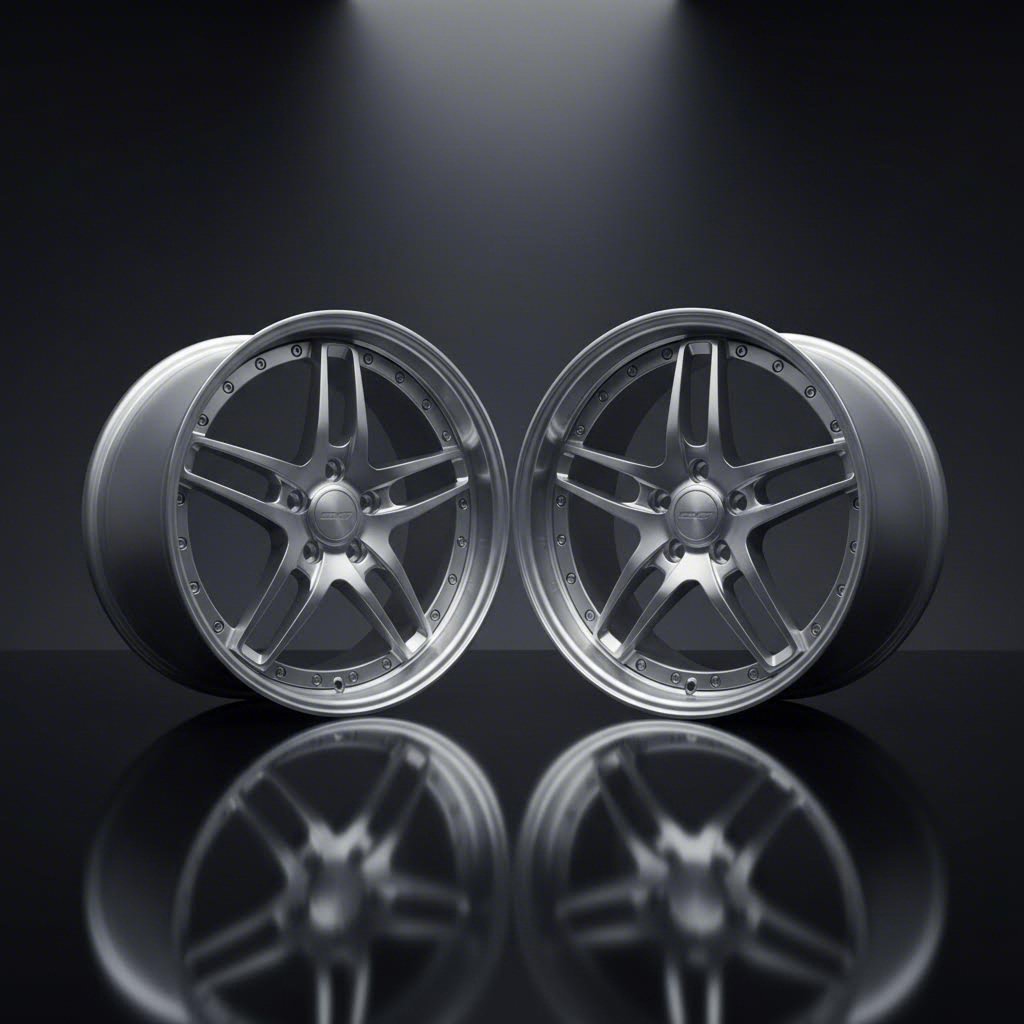
The Wheel Construction Decision That Shapes Your Driving Experience
When you're ready to invest in premium forged wheels, one fundamental question demands your attention before brand names or finish options ever enter the conversation: should you choose monoblock wheels or multi piece wheels? This decision shapes everything from how your vehicle handles on the road to what happens when you inevitably encounter that dreaded pothole.
Here's the reality most wheel marketing won't tell you. The forged wheels definition encompasses various types of wheel construction, each engineered for specific priorities. Some drivers value the uncompromising structural integrity of single-piece designs. Others need the flexibility to swap components, adjust fitments, or repair damage without replacing an entire wheel. Neither approach is universally superior—the right choice depends entirely on how you drive and what you expect from your investment.
Why Your Wheel Construction Choice Matters More Than Brand Names
Imagine accelerating hard through a corner. Your wheels are transferring power, absorbing lateral forces, and maintaining precise geometry—all simultaneously. The construction method behind those wheels directly determines how effectively they perform each task. According to AST Forged Wheels, "The decision between one-piece and multi-piece wheels is critical, as it directly impacts vehicle performance, customization options, and overall costs."
When comparing wheels vs rims in casual conversation, many people use these terms interchangeably. However, understanding the engineering distinction becomes crucial when selecting forged performance wheels. The rim is technically just the outer edge where your tire mounts, while the wheel encompasses the entire assembly—and how that assembly is constructed changes everything about ownership.
The Real Stakes Behind Monoblock vs Multipiece Decisions
This guide examines nine essential evaluation points that separate these wheel constructions. You'll discover how each type performs across structural integrity, weight optimization, customization potential, repairability, and long-term value retention. No marketing spin—just practical insights from engineering principles and real-world ownership experiences.
Wheel construction directly impacts three critical ownership factors: how your vehicle responds to every steering input, what maintenance and repair costs you'll face over time, and how much value your investment retains years down the road.
Whether you're building a dedicated track weapon, a show-stopping weekend cruiser, or a daily driver that refuses to compromise on performance, the construction method you select today will define your experience for years to come. Let's cut through the noise and help you decide with confidence.
How We Evaluated Monoblock and Multipiece Forged Wheels
Before diving into direct comparisons, you need a clear framework for evaluation. Too often, wheel buyers get swept up in subjective preferences or marketing claims without understanding what actually matters for their specific situation. Our assessment approach examines five critical performance categories that reveal how one piece forged wheels, two piece wheels, and 3 piece wheels genuinely differ in real-world applications.
Five Factors That Separate Premium Forged Wheels
Think of these evaluation criteria as your decision-making toolkit. Each factor carries different weight depending on whether you're building a track car, a show vehicle, or a performance-oriented daily driver. Here's what we examined:
- Structural Integrity and Load-Bearing Capacity: How does each construction method handle stress from acceleration, braking, and cornering forces? Single-piece forged construction eliminates assembly points, creating uninterrupted grain structure throughout the wheel. Multipiece designs distribute loads across joined components, which requires precise engineering to maintain equivalent strength.
- Weight-to-Strength Ratio: Reducing unsprung mass improves acceleration, braking response, and handling characteristics. However, lighter isn't always better if structural compromises occur. We assessed how each construction balances material reduction against durability requirements.
- Customization Flexibility: Can you adjust width, offset, or backspacing after purchase? This factor determines how adaptable your wheels are to future suspension modifications or vehicle changes. Multipiece configurations excel here, while monoblock designs offer limited post-manufacture adjustments.
- Repairability and Maintenance Requirements: What happens when you hit that unavoidable pothole? According to industry guidelines, 3pc. wheels should have hardware checked every 3-6 months, while one-piece designs typically require inspection only every 6-12 months. This maintenance difference significantly impacts long-term ownership costs.
- Long-Term Value Retention: Premium forged wheels represent substantial investments. We evaluated how each construction type holds value over time, considering factors like component replacement availability, finish durability, and market demand.
Our Evaluation Framework for Fair Comparison
Here's where terminology confusion often trips up buyers. When someone asks, "what are 3 piece wheels exactly?" they're usually unaware that multipiece is an umbrella term covering both two-piece and three-piece configurations. This distinction matters because these constructions perform quite differently.
Two-piece forged wheels combine a center section (housing the hub and spokes) with a single outer barrel. Three-piece designs go further, splitting that barrel into inner and outer halves—creating even more customization potential but introducing additional assembly points and sealing requirements. The 3pc. configuration offers maximum flexibility for width and offset adjustments, though this comes with trade-offs in weight and maintenance complexity.
Our evaluation treats each construction as a distinct category rather than lumping all multipiece options together. This approach reveals nuances that generic comparisons miss. For instance, two-piece wheels often provide a compelling middle ground—offering more customization than monoblock designs while maintaining better structural rigidity than full three-piece assemblies.
The "best" wheel type doesn't exist in absolute terms. A track enthusiast prioritizing unsprung weight reduction has fundamentally different needs than a show car builder chasing deep-lip aesthetics. Daily drivers might value repairability over maximum performance gains. Understanding these priorities helps you weigh each evaluation factor appropriately for your situation.
With this framework established, let's examine how monoblock forged wheels deliver their signature structural advantages—and where their limitations become apparent.
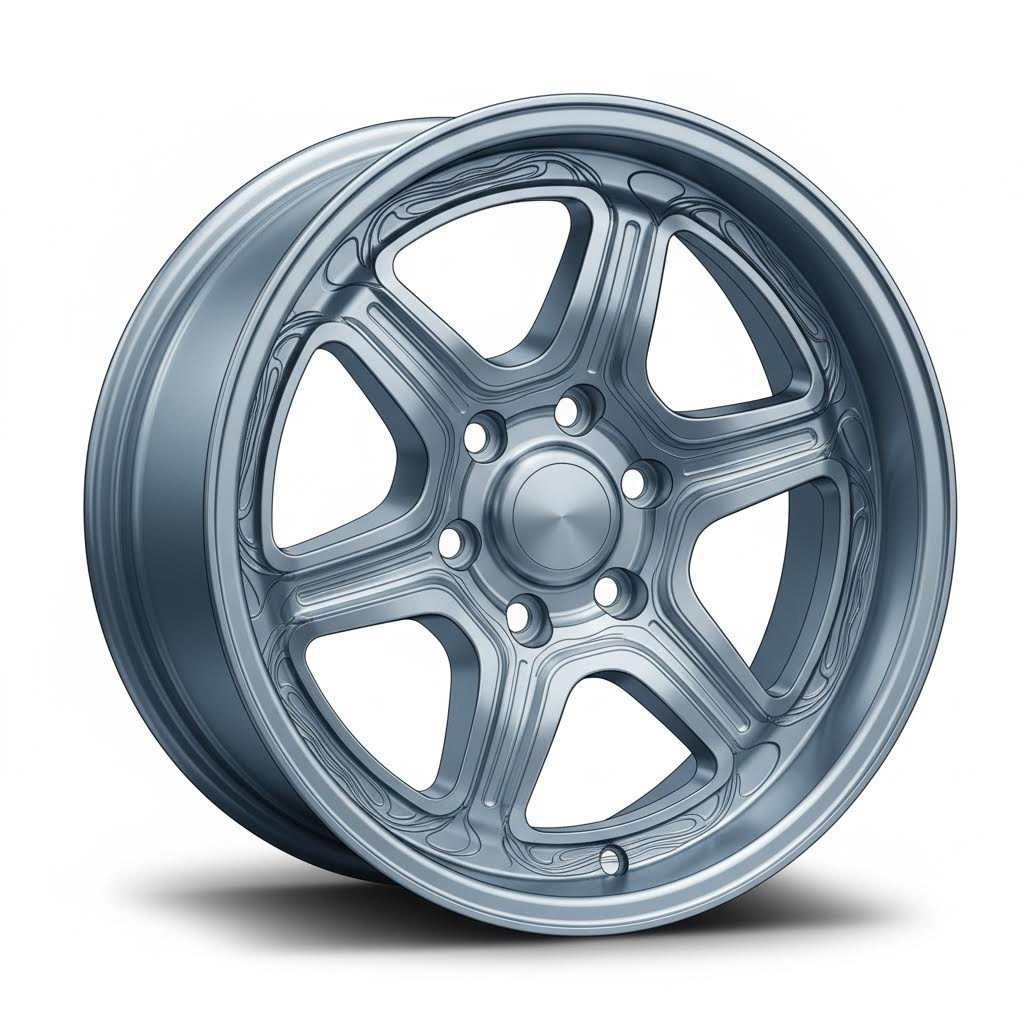
Monoblock Forged Wheels Deliver Uncompromised Structural Performance
So what is monoblock exactly? Picture a single block of aerospace-grade aluminum alloy, typically 6061-T6 or similar high-strength material, being transformed under immense pressure and heat into a complete wheel. No bolts. No seams. No assembly points where stress could concentrate. This is the essence of 1 piece forged wheels—engineering simplicity that translates directly into structural superiority.
The manufacturing process begins with a solid aluminum billet weighing significantly more than the finished wheel. Through precision hot forging, this raw material undergoes controlled deformation at temperatures exceeding 400°C. The intense pressure aligns the metal's grain structure, creating what engineers call flow lines that follow the wheel's contours. According to XZ Forged Wheels, this process "helps to align the molecular structure of the aluminum alloy, resulting in a more dense and durable material" compared to cast alternatives.
The Engineering Behind Single-Piece Forged Construction
When you examine monoblock rims closely, you'll notice the absence of visible fasteners, weld lines, or sealing surfaces. Every millimeter of the wheel shares the same metallurgical properties, creating uniform load distribution under stress. Imagine cornering hard at speed—forces travel through the wheel in smooth, predictable patterns rather than encountering joints or assembly interfaces where stress concentrations could develop.
This uninterrupted construction delivers measurable advantages. What is monobloc's primary strength? It comes down to eliminating failure points. Multipiece wheels require hardware, sealing compounds, and precise assembly to maintain structural integrity. Monoblock forged wheels skip these requirements entirely, reducing both weight and potential weak spots.
The weight benefits deserve particular attention. Without bolts, gaskets, or overlapping assembly surfaces, 1 piece forged wheels typically save 15-25% compared to equivalent three-piece designs. This reduction occurs precisely where it matters most—in unsprung mass. Your suspension system responds more quickly to road imperfections, your brakes work more effectively, and acceleration feels sharper when the wheels require less energy to rotate and change direction.
Where Monoblock Wheels Excel and Where They Fall Short
High-performance applications showcase monoblock construction at its finest. Monoblock wheels AMG variants, for instance, frequently appear on Mercedes performance vehicles precisely because they prioritize handling dynamics and weight optimization. Track-focused drivers appreciate how reduced rotational inertia translates to faster lap times and improved driver feedback.
The performance implications extend beyond mere weight savings. Stiffer wheels maintain tire contact patch geometry more consistently during aggressive driving. According to industry testing, this stiffness means the wheel is "less likely to deform under load, which helps to maintain the integrity of the tire contact patch" during high-speed cornering and hard braking events.
| Characteristic | Monoblock Performance | Rating |
|---|---|---|
| Weight | Lightest option due to no hardware or sealing components; optimal unsprung mass reduction | Excellent |
| Structural Strength | Maximum rigidity with continuous grain structure; no assembly stress points | Excellent |
| Customization | Limited post-manufacture; width, offset, and backspacing fixed at production | Limited |
| Repairability | Damage typically requires complete wheel replacement; no component swapping | Poor |
| Initial Cost | Higher upfront investment for custom fitments; premium manufacturing process | Premium |
| Maintenance | Minimal ongoing requirements; inspection every 6-12 months typically sufficient | Excellent |
Now for the honest assessment of limitations. Monoblock forged wheels demand commitment. Once manufactured, your width, offset, and backspacing are permanent. Planning to modify your suspension geometry next year? Those monoblock rims might not accommodate the new fitment requirements. This inflexibility frustrates owners who frequently upgrade or modify their vehicles.
The repairability question looms large for daily drivers. Curb a multipiece wheel, and you might replace just the damaged lip section. Curb a monoblock design, and you're likely shopping for an entirely new wheel. In urban environments where parallel parking and unexpected potholes are realities, this vulnerability adds real financial risk to your investment.
Cost considerations extend beyond the initial purchase. Custom monoblock fitments require manufacturers to produce wheels specifically for your vehicle's unique specifications. Without the flexibility to adjust components, any sizing miscalculation means starting the manufacturing process over. This precision requirement elevates upfront costs compared to multipiece alternatives where adjustments remain possible.
Despite these trade-offs, monoblock construction remains the go-to choice for buyers prioritizing ultimate performance and structural integrity above all else. Understanding these strengths and limitations helps you determine whether the uncompromised nature of single-piece forged wheels aligns with your driving priorities—or whether the flexibility of three-piece construction better serves your needs.
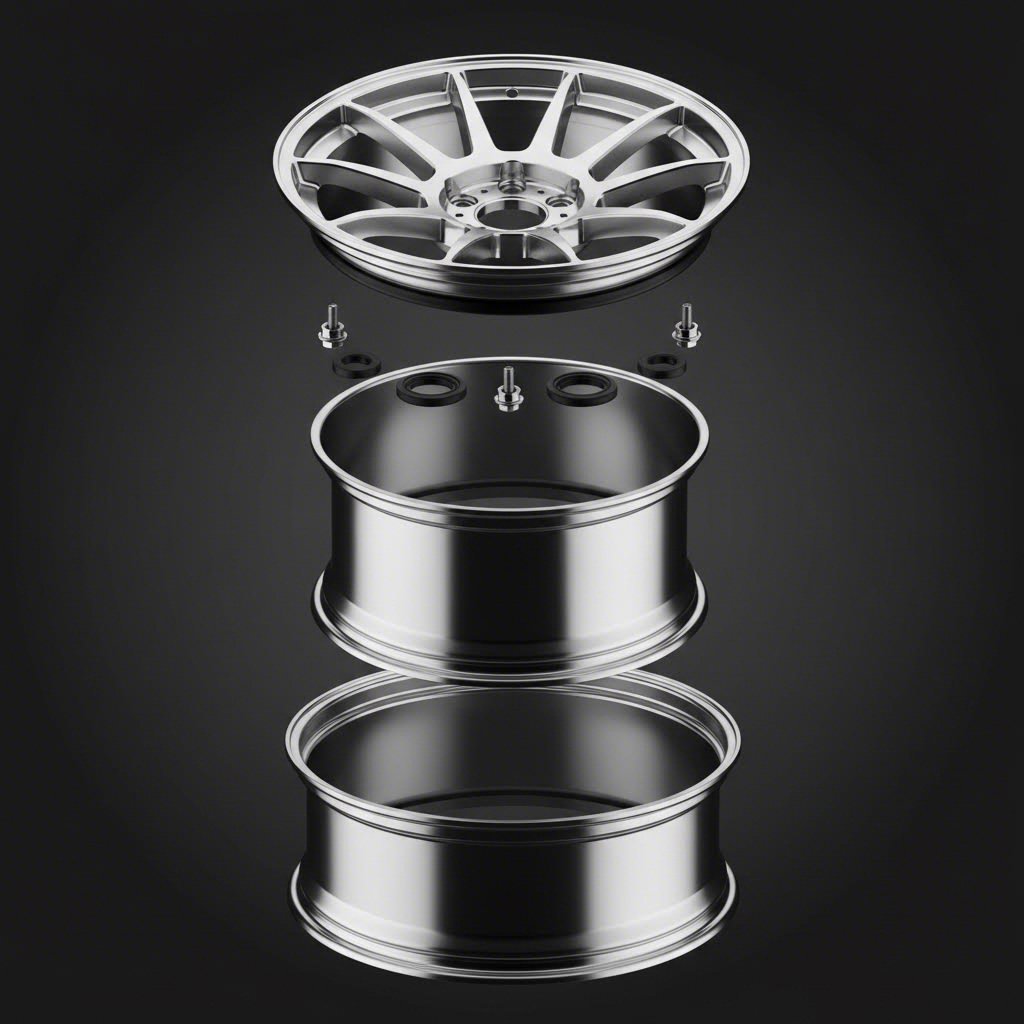
Three-Piece Forged Wheels Offer Customization and Repairability
What are 3 piece rims, and why do enthusiasts obsess over them? Imagine a wheel engineered like a precision sandwich—three distinct forged components working together to create something greater than any single piece could achieve. A three piece wheel consists of a forged center section (housing the spokes and hub mounting surface), an inner barrel half, and an outer lip section. These three piece wheel barrels and center bolt together using aircraft-grade hardware, creating a modular assembly that opens possibilities monoblock construction simply cannot match.
This modularity isn't just engineering showmanship. According to AST Forged Wheels, three-piece wheels "take customization a step further" by allowing manufacturers to "mix and match different inner and outer rim components with the wheel center to create a wide variety of designs, widths, and offsets." For buyers who refuse to compromise on fitment precision, this flexibility proves invaluable.
Three-Piece Construction Unlocks Maximum Customization
Picture this scenario: you've installed aggressive suspension components that changed your vehicle's geometry. With monoblock wheels, you'd need entirely new wheels machined to different specifications. With three piece forged wheels, you swap barrel sections to adjust width or offset while keeping your existing centers. This component interchangeability transforms how enthusiasts approach wheel selection.
Custom three piece wheels deliver aesthetic possibilities that single-piece designs cannot replicate. Want a brushed center with a polished outer lip and matte inner barrel? Three-piece construction makes it happen. The ability to apply different finishes to individual components creates striking visual contrasts that catch attention at shows and meets. Deep lip configurations—those dramatic stepped profiles showcasing inches of polished aluminum—exist specifically because three-piece architecture allows barrel sections to extend far beyond what integrated designs permit.
Width and offset adjustments become straightforward mathematics rather than complete remachining projects. Need 2mm more backspacing? Swap to a different inner barrel. Want a wider rear setup for improved traction? Replace the outer lips with deeper sections. This flexibility explains why 3 pieces wheels dominate the show car and stance communities where precise fitment defines success.
The Repairability Advantage That Saves Thousands
Here's where three-piece construction delivers its most practical benefit for daily drivers. You've just scraped a curb during parallel parking—that sickening sound of aluminum meeting concrete. With a monoblock wheel, you're likely facing complete replacement costs ranging from $800 to $2,000 or more per wheel. With a 3-piece rim, you potentially replace only the damaged outer lip section for a fraction of that cost.
This component-level repairability transforms the ownership calculation. Individual section replacement typically costs 30-50% of what complete wheel replacement demands. For drivers navigating urban environments with aggressive parallel parking and unexpected potholes, this repairability advantage provides genuine financial protection.
Pros of Three-Piece Forged Wheels
- Maximum Customization Flexibility: Adjust width, offset, and backspacing by swapping barrel components rather than purchasing entirely new wheels
- Component-Level Repairability: Replace only damaged sections instead of complete wheels, significantly reducing repair costs
- Aesthetic Versatility: Apply different finishes to centers, inner barrels, and outer lips for unique visual combinations
- Deep Lip Possibilities: Achieve dramatic stepped profiles and extended lip configurations impossible with monoblock construction
- Fitment Adaptability: Accommodate future suspension modifications without purchasing completely new wheel sets
Cons of Three-Piece Forged Wheels
- Weight Penalty: Hardware and overlapping assembly surfaces add 15-25% more weight compared to equivalent monoblock designs
- Maintenance Requirements: Bolt torque and seal integrity require inspection every 3-6 months for optimal safety
- Assembly Complexity: Proper sealing demands expertise to prevent air leakage and ensure long-term durability
- Additional Failure Points: Seams and joints introduce potential stress concentration areas absent in single-piece construction
- Higher Initial Complexity: More components mean more decisions during the specification process
The weight penalty deserves honest acknowledgment. Those bolts, sealing compounds, and overlapping assembly surfaces add mass precisely where performance enthusiasts want less of it. AST notes that multipiece assembly "may result in a heavier wheel compared to one-piece wheels," and this trade-off matters for track-focused applications where every gram of unsprung mass affects lap times.
Maintenance considerations also factor into ownership decisions. Three-piece construction requires periodic bolt torque verification and seal integrity checks. Over time, thermal cycling from brake heat and seasonal temperature changes can affect hardware tension and gasket compression. Neglecting these inspections risks air leakage or, in extreme cases, component separation. However, modern sealing technology has improved dramatically—properly assembled and maintained three-piece forged wheels provide years of reliable service.
For buyers who value the ability to repair, adjust, and customize their wheels throughout ownership, three-piece construction delivers compelling advantages. But what if you want some customization flexibility without the full complexity of three-piece assembly? That's precisely where two-piece forged wheels enter the conversation.
Two-Piece Forged Wheels Balance Performance and Flexibility
Between the uncompromising rigidity of monoblock construction and the modular complexity of three-piece assemblies sits an often-overlooked middle ground. Two piece wheels combine a forged center section with a single outer barrel, creating a construction that borrows advantages from both extremes while minimizing their respective drawbacks. For enthusiasts seeking customization potential without maximum assembly complexity, forged 2 piece wheels deserve serious consideration.
The construction logic is straightforward. Your 2 piece rim features two primary components: the center (housing the hub mounting surface and spokes) and the barrel (forming the complete rim where your tire mounts). These components join through either welding or bolting, depending on the manufacturer's approach. According to Performance Plus Tire, "2-piece wheels offer a middle ground approach, combining two of these elements into a single component while still providing enhanced customization options compared to standard one-piece designs."
Two-Piece Wheels Bridge the Gap Between Extremes
What makes two piece forged wheels structurally different from their three-piece counterparts? The answer lies in reduced assembly complexity. Where three-piece designs split the barrel into inner and outer halves—requiring additional hardware, sealing surfaces, and precise alignment—two-piece construction keeps the barrel as a single unified component. This means fewer bolts, fewer potential leak points, and a stiffer overall structure.
The manufacturing process typically begins with a forged aluminum center that undergoes precision machining to achieve the desired spoke pattern and weight reduction. The barrel is often created through spinning processes or flow-forming techniques, then permanently welded or bolted to the center. This approach maintains much of the grain structure alignment that gives forged components their superior strength characteristics.
Structural rigidity falls between the extremes. As GVICHN notes, "2-piece forged wheels typically offer slightly higher structural rigidity due to their simpler construction and fewer potential stress points" compared to three-piece alternatives. The permanent or semi-permanent joining of components creates a more unified structure that distributes cornering and braking forces more effectively than assemblies with multiple bolted joints.
The Balanced Choice Most Buyers Overlook
When comparing 2 piece vs 3 piece wheels, weight characteristics reveal interesting trade-offs. Two-piece designs typically weigh less than equivalent three-piece wheels because they require fewer bolts, less overlapping material at assembly points, and simpler sealing arrangements. However, they remain heavier than monoblock alternatives due to the joining hardware and reinforced mating surfaces still required.
Rim 2 piece construction offers meaningful customization advantages over single-piece designs. Manufacturers can create different width and offset combinations by pairing various center sections with different barrel specifications. While this flexibility doesn't match three-piece modularity—where individual lip sections can be swapped independently—it still provides options that monoblock construction cannot accommodate.
| Metric | Monoblock | Two-Piece | Three-Piece |
|---|---|---|---|
| Weight | Lightest (no hardware) | Moderate (reduced hardware) | Heaviest (full hardware set) |
| Structural Rigidity | Maximum (seamless) | High (fewer joints) | Good (multiple joints) |
| Customization | Fixed at manufacture | Moderate flexibility | Maximum flexibility |
| Repairability | Full replacement only | Component replacement possible | Individual section replacement |
| Maintenance | Minimal (6-12 months) | Moderate (varies by construction) | Regular (3-6 months) |
| Typical Cost | $800-$1,500+ per wheel | $800-$1,200 per wheel | $1,500+ per wheel |
Who benefits most from two-piece construction? Consider enthusiasts who want some ability to customize fitment without managing the maintenance requirements of full three-piece assemblies. Daily drivers who appreciate improved repairability over monoblock designs—but don't need the extreme modularity of three-piece wheels—find two-piece construction compelling. Performance-oriented owners seeking better structural rigidity than three-piece wheels provide, while retaining more flexibility than monoblock alternatives, discover this middle ground suits their priorities perfectly.
The repairability situation improves significantly over monoblock construction. Bolted two-piece designs allow damaged barrels to be replaced without scrapping the entire wheel. Even welded versions can sometimes be professionally repaired, though this requires specialized equipment. This component-level serviceability reduces long-term ownership costs for drivers facing urban hazards like curbs and potholes.
Understanding where two-piece wheels fit in the broader construction landscape helps you evaluate whether this balanced approach aligns with your priorities—or whether your specific vehicle and driving style demand the characteristics of monoblock or three-piece alternatives.

Vehicle Fitment and Driving Purpose Shape Your Ideal Choice
You've explored how monoblock, two-piece, and three-piece forged wheels differ in construction and performance characteristics. Now comes the practical question: which construction actually suits your specific vehicle and how you drive it? The answer depends on factors ranging from your vehicle's curb weight to the climate you navigate daily.
Think about it this way—a 6,000-pound SUV hauling cargo through mountain passes faces entirely different wheel stress than a 3,200-pound sports car carving canyon roads. Similarly, a show car that sees pavement only on sunny weekends operates under conditions vastly different from a daily driver braving salted winter highways. Matching wheel construction to these realities ensures your investment performs as intended.
Matching Wheel Construction to Your Vehicle and Driving Style
Vehicle weight stands as the primary consideration when selecting between modular wheels and one piece wheel designs. Heavier platforms—full-size trucks, SUVs, and luxury sedans—generate substantially greater forces during acceleration, braking, and cornering. These loads demand wheels engineered to handle stress without flexing or fatiguing over time.
For vehicles exceeding 5,000 pounds, monoblock construction often proves advantageous. The continuous grain structure distributes load forces uniformly, eliminating potential stress concentration at assembly points. According to 4 Wheel Parts, heavy-duty applications benefit from wheels with load ratings of 2,500 pounds or higher per wheel—specifications that forged monoblock designs consistently achieve.
Lighter sports cars and performance vehicles present different considerations. With less mass stressing the wheels, multi piece rims become viable options that unlock customization possibilities. A 3,000-pound coupe can leverage three-piece construction for precise fitment adjustments without sacrificing structural safety margins. The weight penalty from hardware and sealing components matters less when overall vehicle mass remains modest.
Multi spoke wheels deserve mention here regardless of construction type. These designs distribute stress across more contact points between spoke and barrel, often improving load handling characteristics. Whether you choose monoblock or multipiece construction, spoke count and design geometry influence real-world durability.
Track Days vs Daily Driving vs Show Car Priorities
Your primary use case dramatically shifts which construction trade-offs matter most. Consider how these three common scenarios align with different wheel types:
Track-focused applications prioritize unsprung weight reduction above nearly all else. Every gram removed from rotating mass translates to faster acceleration, shorter braking distances, and sharper turn-in response. Monoblock construction excels here—no hardware weight, maximum rigidity, and minimal maintenance between sessions. Flow forming techniques during manufacturing can further reduce mass while maintaining strength for occasional track abuse.
Daily driving scenarios demand a different calculation. Urban environments present constant threats: potholes, expansion joints, and the occasional parking mishap. Here, repairability often outweighs ultimate weight savings. Two-piece or three-piece forged wheels allow component replacement when damage occurs, potentially saving thousands compared to monoblock replacement costs. The maintenance requirements of multipiece construction become worthwhile insurance against unpredictable road hazards.
Show car builds prioritize visual impact and fitment precision. Three-piece construction dominates this space because deep lip configurations and mixed finishes create the dramatic aesthetics these builds demand. The ability to swap barrel sections for perfect stance adjustment proves invaluable when millimeters determine whether a build wins or loses.
Climate and Environmental Considerations
Where you drive affects wheel construction longevity as significantly as how you drive. Different environments create unique challenges each wheel type handles differently.
According to XZ Forged Wheels, road salt used during winter months is "highly corrosive, and when it comes into contact with metal, it can cause some serious damage" including rust and pitting. Monoblock construction offers an advantage here—fewer seams and joints mean fewer entry points for corrosive materials. The dense forged structure also resists salt penetration better than porous cast alternatives.
Multipiece wheels face additional challenges in harsh winter climates. Salt and moisture can work their way into sealing surfaces, potentially compromising gasket integrity over time. This doesn't disqualify three-piece wheels from winter duty, but it does demand more vigilant maintenance. Regular cleaning and periodic seal inspection become essential rather than optional.
- Heavy Trucks and SUVs (5,000+ lbs): Monoblock construction recommended for maximum load-bearing capacity and structural integrity under sustained stress
- Performance Sedans and Sports Cars: Two-piece construction balances customization flexibility with structural rigidity appropriate for spirited driving
- Dedicated Track Cars: Monoblock construction prioritized for unsprung weight reduction; flow forming processes maximize strength-to-weight ratio
- Show Cars and Stance Builds: Three-piece construction essential for deep lip aesthetics and precision fitment adjustments
- Daily Drivers in Urban Environments: Two-piece or three-piece construction provides repairability insurance against inevitable curb encounters
- Vehicles in Harsh Winter Climates: Monoblock construction minimizes corrosion entry points; multipiece wheels require enhanced maintenance schedules
- Coastal and High-Humidity Regions: Any construction with quality protective coatings; avoid bare aluminum finishes on multipiece assembly surfaces
Extreme heat presents different concerns. Repeated thermal cycling from aggressive braking affects multipiece wheel hardware. Bolts expand and contract, potentially loosening over time. Three-piece designs in track applications or high-performance street use require more frequent torque verification than equivalent wheels seeing casual duty. Monoblock construction sidesteps this concern entirely since no hardware exists to loosen.
The Upgrade Path Perspective
Your wheel needs today may differ from your priorities two years from now. Consider how buyers typically progress through different construction types as their automotive interests evolve.
Many enthusiasts begin with monoblock forged wheels—appreciating the straightforward ownership experience and performance benefits. As customization interests develop, they transition to two-piece construction for moderate flexibility. Eventually, deep involvement in show car culture or stance communities leads to three-piece wheels where maximum adjustability becomes essential.
This progression isn't universal, but understanding it helps you anticipate future needs. Purchasing three-piece wheels now provides flexibility for fitment changes as you modify suspension geometry or swap between vehicles. Choosing monoblock construction makes sense if your current setup is dialed and unlikely to change significantly.
Vehicle platform changes also factor into upgrade paths. Enthusiasts who frequently change cars often gravitate toward three-piece construction because barrel sections can sometimes transfer between applications even when centers require replacement. This component reusability reduces the effective cost of maintaining premium wheels across multiple vehicle builds.
With vehicle-specific considerations now clear, it's time to address the misconceptions that lead many wheel buyers toward costly mistakes—myths that persist despite contradicting engineering reality.
Common Misconceptions About Monoblock and Multipiece Wheels
You've done your research, compared specifications, and narrowed your choices. But before you commit to any wheel construction, let's address the myths circulating through forums and marketing materials that consistently lead buyers toward regrettable decisions. These misconceptions cost enthusiasts real money—sometimes thousands of dollars in mismatched purchases or unnecessary replacements.
The wheel pieces debate generates passionate opinions, but passion doesn't always align with engineering reality. Understanding where conventional wisdom fails helps you make genuinely informed decisions rather than repeating mistakes others have made before you.
Myths That Cost Wheel Buyers Money
Myth #1: Mono block wheels are always lighter than multipiece alternatives.
This assumption seems logical—fewer components should mean less weight, right? The reality proves more nuanced. While monoblock construction eliminates hardware and sealing components, weight distribution throughout the wheel matters as much as total mass. According to MotorTrend's comprehensive wheel testing, "lighter doesn't necessarily mean better or stronger. While a light wheel will have less unsprung weight, it doesn't necessarily mean that it has less rotational inertia. Much of that has to do with how the material is distributed throughout the wheel."
A poorly designed monoblock wheel with excess material in the wrong locations can actually exhibit higher rotational inertia than a well-engineered three-piece alternative. The spoke pattern, barrel thickness variations, and hub geometry all influence how the wheel accelerates and decelerates—factors completely independent of construction type.
Myth #2: Three-piece wheels are inherently weaker and will fail under stress.
This misconception conflates construction type with construction quality. As Apex Wheels notes, "some 3-piece wheel designs can deliver extremely high performance and are run by major racing teams." Professional motorsports operations choose three-piece wheels specifically because they can withstand competition stress while offering trackside repairability.
Quality manufacturing and proper assembly determine strength—not piece count. A premium 3 piece rim engineered with appropriate material grades and assembled with correct torque specifications handles demanding applications safely. Conversely, a budget monoblock wheel with substandard aluminum alloy or inadequate forging processes fails under stress despite its single-piece construction.
The most damaging misconception in wheel purchasing: assuming construction type alone determines quality. Buyers who dismiss all multipiece wheels as weak—or assume all monoblock wheels are superior—frequently spend $4,000+ on wheels that don't actually match their performance needs or fail to deliver expected durability.
Myth #3: Multipiece wheels require constant maintenance and leak constantly.
This outdated belief stems from experiences with poorly manufactured wheels or improper assembly practices. Modern sealing technology has improved dramatically over the past decade. According to Apex Wheels, while three-piece designs "are inherently prone to leaking air," this concern applies primarily to low-quality products or improperly assembled wheels—not properly engineered examples using current sealing compounds and gasket materials.
Quality multipiece wheel manufacturers specify exact torque values, appropriate sealant types, and assembly procedures that prevent air loss. Maintenance intervals of 3-6 months for hardware inspection are realistic requirements—not the weekly attention some forum posts suggest. Rotiform wheels and other reputable multipiece manufacturers provide detailed maintenance schedules that responsible owners follow without difficulty.
Separating Forged Wheel Facts from Marketing Fiction
Perhaps the most confusion surrounds the distinction between flow formed wheels and fully forged construction. Marketing materials often blur these categories, leaving buyers uncertain about what they're actually purchasing.
Flow forming (also called flow forging or rotary forging) begins with a cast wheel center that undergoes spinning and pressure to stretch the barrel section. This process does improve barrel density and strength compared to standard casting, but the center section remains cast aluminum with its inherent grain structure limitations. Flow formed wheels offer a middle ground between cast and forged—better than cast, but not equivalent to true forging.
Fully forged wheels start from solid aluminum billets that undergo complete transformation through heat and pressure. The entire wheel—center, spokes, and barrel—exhibits the aligned grain structure and density that defines forged strength. As MotorTrend testing confirmed, "the forged wheels should have a higher density than the cast wheels," with fully forged monoblock designs achieving significantly greater density measurements than cast or flow formed alternatives.
When evaluating Rotiform wheels or any manufacturer claiming "forged" construction, ask specifically whether the entire wheel is forged or only certain sections. Some marketing describes wheels as "forged" when only the center section undergoes true forging while barrels use spinning or flow forming processes. This distinction directly affects both performance and appropriate pricing.
The bottom line? Neither construction type guarantees superiority. Material quality, design engineering, manufacturing precision, and appropriate application matching determine whether any wheel—monoblock or multipiece—delivers the performance and durability you expect. With these myths dispelled, you're ready to examine the complete comparison across all construction types and evaluation factors.
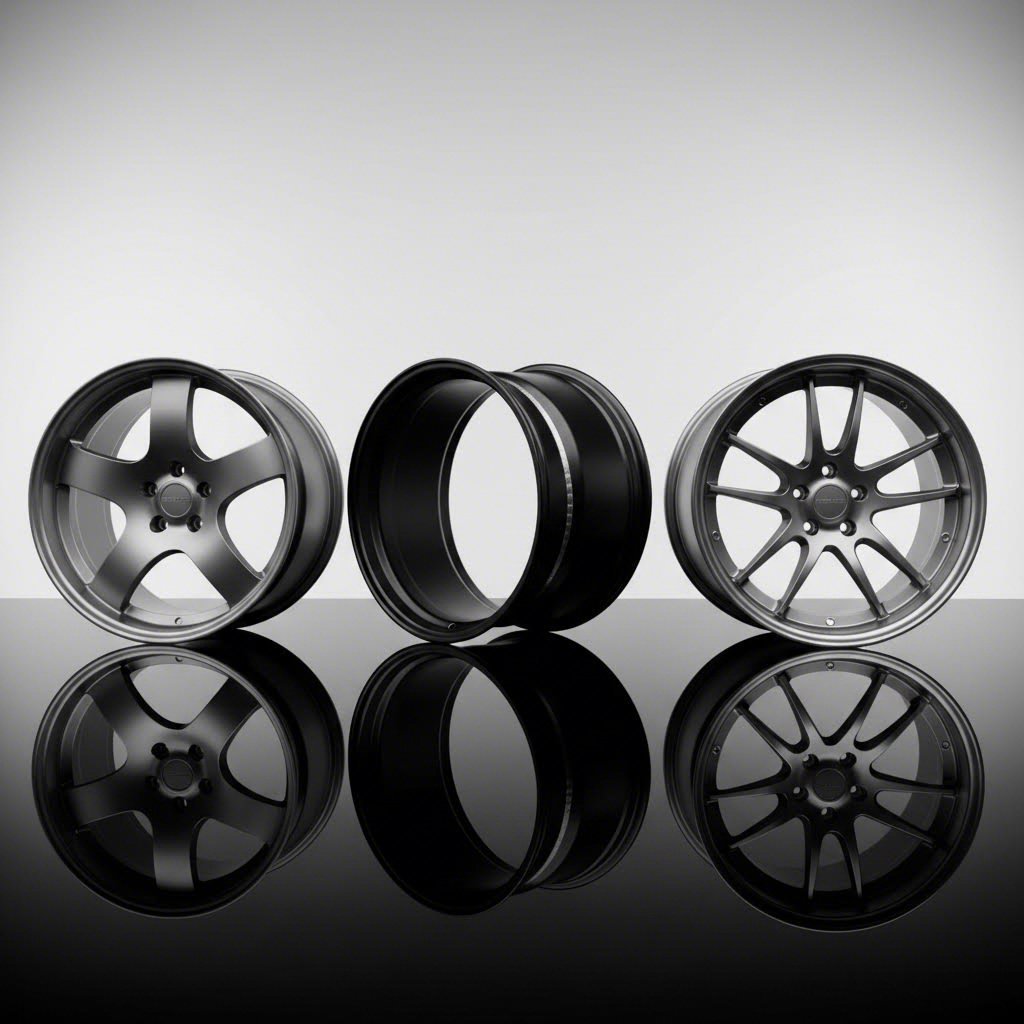
Side-by-Side Comparison of All Forged Wheel Constructions
You've examined monoblock construction's structural advantages, explored three-piece modularity, discovered two-piece balance, and dispelled persistent myths. Now it's time to synthesize everything into a comprehensive comparison that puts all three wheel constructions head-to-head across every evaluation factor that matters for your purchasing decision.
This isn't about declaring an absolute winner—because no single construction type wins every category. Instead, this comparison reveals which trade-offs each design accepts and which advantages it delivers. Armed with this complete picture, you can match your specific priorities to the construction that genuinely serves them best.
The Complete Monoblock vs Multipiece Comparison Matrix
When shopping for forged wheels, you'll encounter significant price variations that don't always correlate with quality. Cheap 3 piece wheels flooding online marketplaces often sacrifice material quality and manufacturing precision to hit attractive price points. Similarly, cheap three piece wheels from unknown sources may use substandard hardware or inadequate sealing compounds that lead to premature failure. The comparison below reflects pricing for quality-manufactured wheels from reputable sources—not bargain alternatives that compromise essential performance characteristics.
| Evaluation Factor | One Piece Wheels (Monoblock) | Two Piece Rims | Multi Piece Wheel (Three-Piece) |
|---|---|---|---|
| Initial Cost Range | $800–$2,000+ per wheel for custom fitments; premium manufacturing process commands higher entry pricing | $700–$1,400 per wheel; moderate tooling flexibility reduces per-unit costs | $1,200–$3,000+ per wheel; component complexity and assembly labor increase baseline pricing |
| Weight Characteristics | Lightest option—no hardware, sealing compounds, or overlapping assembly surfaces; optimal unsprung mass reduction of 15–25% versus three-piece equivalents | Moderate weight—reduced hardware compared to three-piece; typically 5–10% heavier than monoblock equivalents | Heaviest construction—full hardware sets, gaskets, and reinforced mating surfaces add measurable mass at the outer edge where rotational inertia matters most |
| Structural Integrity | Maximum rigidity with continuous grain structure throughout; no assembly stress points or potential failure interfaces | High rigidity—fewer joints than three-piece; permanent welding options create near-monoblock strength characteristics | Good structural performance when properly engineered; multiple bolted joints introduce potential stress concentration points requiring quality hardware and correct assembly |
| Customization Options | Fixed at manufacture—width, offset, and backspacing permanently determined during production; no post-purchase adjustments possible | Moderate flexibility—various barrel options pair with center sections; some manufacturers offer aftermarket barrel replacements | Maximum flexibility—swap inner and outer barrel sections independently; adjust width and offset without replacing entire wheels; mix finishes across components |
| Repairability Costs | Damage typically requires complete wheel replacement at $800–$2,000+; limited repair options for anything beyond minor cosmetic refinishing | Component replacement possible—damaged barrels can be swapped on bolted versions; repair costs typically 40–60% of full replacement | Individual section replacement—curbed outer lips or damaged inner barrels replaced independently; repair costs often 25–40% of complete wheel replacement |
| Maintenance Requirements | Minimal ongoing attention—visual inspection every 6–12 months; no hardware to check or seals to verify | Moderate maintenance—bolted versions require periodic torque verification; welded versions approach monoblock simplicity | Regular maintenance essential—hardware torque checks every 3–6 months; seal integrity verification; cleaning around assembly interfaces to prevent corrosion |
| Resale Value Retention | Strong value retention—simpler ownership appeals to secondary buyers; premium brands command 50–70% of original pricing in good condition | Moderate retention—less established secondary market than monoblock; condition-dependent pricing typically 40–60% of original | Variable retention—strong demand for popular designs from respected manufacturers; 3-piece wheels from unknown brands struggle on secondary markets |
| Ideal Use Cases | Track-focused vehicles prioritizing unsprung weight; daily drivers wanting minimal maintenance; enthusiasts with finalized suspension setups unlikely to change | Performance-oriented daily drivers seeking balance; enthusiasts wanting some customization without full three-piece complexity; vehicles in moderate-risk environments | Show cars demanding precise fitment and deep-lip aesthetics; enthusiasts who frequently modify suspension geometry; buyers prioritizing long-term repair cost reduction over initial simplicity |
Which Construction Wins Each Category
Looking at this comparison honestly, patterns emerge that help clarify which construction serves specific priorities. Let's break down the category winners and what those victories actually mean for your decision.
Weight optimization: One piece wheels win decisively. Without hardware, overlapping assembly surfaces, or sealing compounds, monoblock construction achieves the lowest possible mass for any given size and design. According to Carbon Xtrem, forged wheels can be "up to 10% lighter" than alternatives, with monoblock designs maximizing this advantage. For track applications where every gram of unsprung mass affects lap times, this category winner matters enormously.
Structural integrity: Monoblock construction takes this category as well. The continuous grain structure created during single-piece forging eliminates stress concentration points entirely. However, the margin narrows when comparing against quality two piece rims with welded construction—these approach monoblock rigidity while retaining some component flexibility.
Customization flexibility: Three-piece construction wins by a wide margin. No other configuration matches the ability to swap barrel sections, adjust offsets post-purchase, or apply different finishes to individual components. This advantage proves decisive for show car builders and stance enthusiasts who demand millimeter-precise fitment.
Repairability: Multi piece wheel designs dominate this category. Component-level replacement transforms the financial equation when damage occurs. Where monoblock damage means spending $1,500+ on a complete replacement, three-piece owners potentially replace only a $400 outer lip section. For daily drivers navigating urban hazards, this insurance factor outweighs weight concerns.
Maintenance simplicity: Monoblock construction wins effortlessly. With nothing to check, torque, or reseal, one piece wheels demand the least ongoing attention. This advantage matters for buyers who want performance without regular maintenance rituals.
Long-term value: This category produces no clear winner—context determines outcomes. Premium monoblock wheels from established brands hold value exceptionally well. Quality three-piece wheels with strong brand recognition and popular designs also retain value. Unknown brands in any construction struggle on secondary markets.
Quality Manufacturing Transcends Construction Type
Here's the insight that separates informed buyers from those who overpay for underperforming wheels: manufacturing quality and material selection matter more than construction type alone. A perfectly engineered three-piece wheel outperforms a poorly manufactured monoblock every time.
What separates premium forged wheels from budget alternatives? According to Flexi Forge, certifications like IATF 16949 demonstrate that manufacturers follow "high-quality standards at every stage" of production. This automotive industry quality management certification covers the entire production process, ensuring consistency regardless of whether the final product is monoblock, two-piece, or three-piece construction.
IATF 16949 certified production means the forging processes, heat treatments, machining operations, and finishing procedures all meet documented standards. Hardware used in multipiece assemblies meets specified grades. Assembly torque values follow engineering requirements rather than guesswork. These quality controls determine real-world durability far more than construction type preferences.
Premium forged wheels from certified manufacturers deliver consistent performance because every production step follows verified procedures—whether the final product is a monoblock track wheel or a three-piece show wheel.
When evaluating any wheel—regardless of construction—look beyond piece count to manufacturing credentials. Certifications like ISO 9001 for quality management, JWL and VIA for safety compliance, and TÜV for European market standards all indicate manufacturers who invest in consistent quality rather than cutting corners to hit price points.
The bottom line? Don't dismiss any construction type based on assumptions. Two piece rims from a quality manufacturer outperform cheap monoblock alternatives. Well-engineered three-piece wheels handle motorsport stress despite having more components than budget one piece wheels that flex under load. Match your priorities to the right construction, then verify the manufacturer delivers the quality that construction requires.
With this complete comparison framework established, you're ready for the final step: translating these insights into specific recommendations based on your driving profile and priorities.
Final Recommendations for Choosing Your Forged Wheels
You've examined construction differences, debunked persistent myths, and compared every evaluation factor that shapes the monoblock vs multipiece forged wheels decision. Now comes the moment of action—translating knowledge into a confident purchasing decision that matches your specific driving profile and ownership priorities.
The right wheel construction isn't about following trends or copying builds you've admired online. It's about honestly assessing how you drive, what environments your vehicle navigates, and which trade-offs you're genuinely willing to accept. Let's match your profile to the construction that serves it best.
Your Ideal Wheel Construction Based on How You Drive
Track Enthusiasts Prioritizing Unsprung Weight Reduction
If lap times matter more than anything else, monoblock construction remains your optimal choice. The weight savings from eliminating hardware and sealing components translate directly to faster acceleration, shorter braking distances, and improved turn-in response. Every gram saved at the wheel multiplies into measurable performance gains where it matters—on the stopwatch.
Mercedes monoblock wheels have earned their reputation in performance circles precisely because they deliver this uncompromising approach. When you see monoblock rims mercedes vehicles wearing at track events, you're witnessing this philosophy in action—structural simplicity serving speed. The minimal maintenance requirements between sessions add practical convenience to performance advantages.
Show Car Builders Wanting Maximum Visual Impact
Deep lip configurations, mixed finishes, and millimeter-precise fitment define show car success. Three-piece construction delivers these capabilities better than any alternative. The ability to swap barrel sections for exact stance adjustment, apply different finishes to centers and lips, and achieve dramatic stepped profiles makes 3 peice wheels essential for serious builds.
The customization flexibility extends beyond initial setup. As you refine your build over seasons, modular rims allow adjustments without purchasing entirely new wheel sets. This adaptability proves invaluable when suspension modifications change your ideal offset or width specifications.
Daily Drivers Balancing Performance with Practicality
Urban environments present constant threats—potholes, expansion joints, and parking mishaps happen despite your best efforts. Two-piece or three-piece construction provides financial insurance through component-level repairability. When damage occurs, replacing a single section costs far less than scrapping an entire monoblock wheel.
Consider your typical driving scenarios honestly. If your commute includes parallel parking on narrow streets or navigating pothole-riddled roads, the repairability advantage outweighs ultimate weight savings. Flow forged options in two-piece configurations offer a compelling balance—improved strength-to-weight ratios with meaningful repair flexibility.
Budget-Conscious Buyers Considering Long-Term Ownership Costs
Initial purchase price tells only part of the story. Factor in maintenance requirements, potential repair scenarios, and resale value retention when calculating true ownership costs. Monoblock wheels mercedes enthusiasts favor often retain 50-70% of original value in good condition—strong resale performance that offsets higher upfront investment.
However, if repair probability is high in your driving environment, three-piece construction's component replacement capabilities reduce long-term financial exposure. A $400 lip replacement versus a $1,500 complete wheel replacement changes the ownership calculation significantly over several years.
Making the Final Decision with Confidence
Before committing to any wheel construction, work through this decision-making checklist to ensure your choice aligns with your genuine priorities rather than assumptions:
- Define your primary use case honestly. Track performance, show car aesthetics, daily driving practicality, or some combination? Your answer determines which trade-offs matter most.
- Assess your vehicle's weight and stress requirements. Heavier platforms benefit from monoblock rigidity; lighter sports cars can leverage multipiece flexibility without structural compromise.
- Evaluate your environmental exposure. Harsh winters with road salt favor monoblock construction's fewer seams; moderate climates allow multipiece options with standard maintenance.
- Consider your modification timeline. If suspension changes are likely within two years, three-piece modularity provides valuable adjustment capability. Finalized builds favor monoblock simplicity.
- Calculate realistic repair probability. Urban drivers facing daily hazards should weight repairability heavily; controlled-environment vehicles can prioritize performance characteristics.
- Verify manufacturer certifications before purchasing. Quality control matters more than construction type—IATF 16949 certification ensures consistent manufacturing standards regardless of wheel configuration.
- Request fitment verification for your specific vehicle. Work with suppliers who can confirm exact specifications rather than approximating from generic databases.
Sourcing Wheels That Perform as Intended
Your wheel construction decision only delivers expected results when manufacturing quality matches design intent. According to industry certification standards, IATF 16949 certification covers "the entire production process, ensuring high-quality standards at every stage"—from initial forging through final inspection.
Manufacturers with precision hot forging capabilities and rigorous quality control produce wheels that meet specification regardless of construction type. Rapid prototyping capabilities—some offering turnaround in as little as 10 days—allow custom fitments without extended wait times that plague less capable suppliers.
When evaluating potential suppliers, prioritize those offering both monoblock and multipiece options. This flexibility indicates manufacturing sophistication and allows honest fitment recommendations rather than pushing whatever construction the supplier happens to stock. Suppliers who can produce either configuration guide you toward optimal choices based on your requirements rather than their inventory limitations.
Logistics considerations matter for custom orders. Manufacturers located near major shipping ports streamline international procurement, reducing transit times and simplifying customs clearance for buyers outside the manufacturing region. This proximity advantage becomes particularly valuable when ordering custom fitments that require manufacturing-to-specification rather than pulling from existing inventory.
The best wheel for your vehicle is the one that matches your actual priorities—not the one that wins forum arguments or looks impressive in marketing materials.
Whether you choose monoblock construction for its structural purity, three-piece modularity for its customization potential, or two-piece balance for its practical flexibility, ensure your selected manufacturer delivers the quality that makes your construction choice perform as intended. Certifications, testing protocols, and manufacturing capabilities separate wheels that enhance your driving experience from those that merely fill your wheel wells.
Your forged wheel investment should serve you for years—through countless drives, potential modifications, and evolving priorities. Make that decision with the confidence that comes from understanding exactly what each construction delivers and exactly what you need it to deliver for you.
Frequently Asked Questions About Monoblock vs Multipiece Forged Wheels
1. What is the difference between monoblock and 3-piece wheels?
Monoblock wheels are forged from a single aluminum billet, creating maximum structural integrity with no assembly points. Three-piece wheels consist of a forged center, inner barrel, and outer lip bolted together with aircraft-grade hardware. Monoblock designs are 15-25% lighter and require minimal maintenance, while 3-piece wheels offer superior customization flexibility and component-level repairability that can save thousands when damage occurs.
2. Are monoblock wheels better than forged multipiece wheels?
Neither is universally better—each serves different priorities. Monoblock wheels excel for track enthusiasts prioritizing unsprung weight reduction and structural rigidity. Multipiece wheels suit show car builders needing deep-lip aesthetics and precise fitment adjustments, or daily drivers who value repairability in urban environments. Quality manufacturing matters more than construction type alone—IATF 16949 certified manufacturers deliver consistent performance regardless of configuration.
3. What does monoblock wheels mean?
Monoblock refers to wheels machined from a single solid block of forged aluminum alloy. The term combines 'mono' (one) and 'block' (solid piece). During manufacturing, intense heat and pressure align the metal's grain structure throughout the entire wheel, creating continuous flow lines with no seams, bolts, or assembly interfaces. This seamless construction delivers maximum strength-to-weight ratio and eliminates potential failure points found in multipiece designs.
4. What is the difference between 1-piece vs 2-piece vs 3-piece wheels?
One-piece (monoblock) wheels offer the lightest weight and highest rigidity but no post-manufacture adjustability. Two-piece wheels combine a forged center with a single barrel, providing moderate customization and better repairability than monoblock at slightly higher weight. Three-piece wheels split into center, inner barrel, and outer lip sections, delivering maximum customization flexibility for width, offset, and finish combinations but requiring regular hardware maintenance every 3-6 months.
5. Do multipiece wheels require constant maintenance and leak air?
This is a common misconception from outdated experiences. Modern sealing technology has improved dramatically—properly assembled multipiece wheels from reputable manufacturers provide years of reliable service. Quality three-piece wheels require hardware torque checks every 3-6 months, while two-piece designs need inspection every 6 months. Air leakage typically indicates poor manufacturing quality or improper assembly rather than an inherent flaw of multipiece construction.