 Small batches, high standards. Our rapid prototyping service makes validation faster and easier —
  EN
EN


Proizvodnja perforiranog metala dekodirana: od uzoraka rupa do konačnog navodnog iznosa
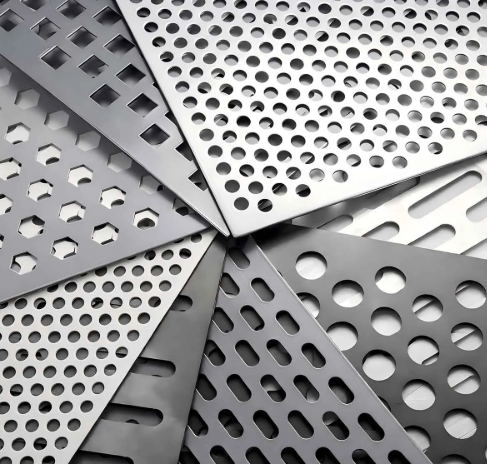
Razumijevanje temeljnih načela izrade perforiranog metala
Kada trebate metalne ploče s precizno dizajniranim otvorima, gledate na perforiranu metalnu proizvodnju. Ovaj specijalizirani proizvodni proces pretvara čvrsto metalno ploče u s masenim udjelom od 0,01 mm ili većim - Što? Ali što je ono što ovaj proces razlikuje od drugih metoda obrade metala? A zašto je to važno za vaš sljedeći projekt?
Perforirana metalna proizvodnja je kontrolirani proizvodni proces stvaranja preciznih, ponavljajućih uzoraka rupa u metalnim listovima mehaničkim udaranjem, rotirajućim perforacijom ili laserskim rezanjem kako bi se postigli specifični funkcionalni ili dekorativni ciljevi.
Što razlikuje perforirani metal od standardnog metalnog lista
Za razliku od standardnih operacija oblikovanja ploča kao što su savijanje, pečatiranje ili duboko crtanje, proizvodnja perforiranog metala usredotočena je na uklanjanje materijala, a ne oblikovanje materijala. Proces stvara namjerne praznine unutar metalnog lista kako bi se postigle posebne karakteristike performansi. Razmislite o tome ovako: dok konvencionalno oblikovanje metala preoblikuje čvrsti materijal, perforiranje strateški uklanja dijelove njega.
Ova razlika ima značajne implikacije i za inženjere i za stručnjake za nabavku. Perforirani metalni list nudi svojstva koja čvrsti metalni list jednostavno ne može pružiti, uključujući:
- U slučaju da je to potrebno, potrebno je utvrditi:
- Prenos i difuzija svjetlosti
- U skladu s člankom 6. stavkom 1.
- Smanjenje težine bez žrtvovanja strukturne integritete
- S druge strane, u slučaju da se ne provodi primjena, mora se osigurati da se ne dovodi u pitanje pravila o zaštiti podataka.
Procenat otvorene površine, koji predstavlja odnos prostora u rupi prema čvrstom materijalu, izravno utječe na ove karakteristike performansi. Visoka otvorena područja povećavaju protok zraka, ali smanjuju strukturnu čvrstoću, što čini ravnotežu između funkcije i izdržljivosti kritičnim inženjerskim razmatranjem.
Inženjerstvo iza preciznih oblika rupa
Stvaranje dosljednih, preciznih perforacija zahtijeva sofisticiranu proizvodnu opremu i precizne specifikacije alata. Moderna proizvodnja perforiranja temelji se na tri temeljne metode: operacije šutnog tiskanja, rotirajuće perforiranje i lasersko sečenje. Svaki pristup nudi različite prednosti ovisno o zahtjevima vašeg projekta.
Metode za guranje koriste oštre perforacijske alate koji se s ogromnom snagom spuštaju na čelični ili drugi metalni list, stvarajući cijele redove rupa u jednom udaru. Prema izvorima iz industrije, moderne sve-prečne perforacijske mase mogu postići do 1.600 udarca po udaru, obrade materijala od 0,002 do 0,25 inča debljine.
Rotirana perforacija s čepovima predstavlja najefikasniji način za proizvodnju velikih količina, koristeći velike cilindre opremljene precizno razdvojenim iglama koje neprekidno pucaju rupe dok metalni list prolazi ispod. Za složene obrazeće, laserska perforacija pruža izuzetnu točnost, sposobnu za stvaranje rupa od pet mikrona u promjeru.
Primjene ovog procesa obuhvaćaju gotovo svaku industriju. Arhitektonski projekti koriste dekorativne perforirane ploče za fasade, sunčane štitove i unutarnje pregrade. Industrijski radovi zavise od perforiranog metala za sisteme filtracije, ventilacijske opreme i zaštitnike strojeva. Proizvođači automobila uključuju perforirane komponente u rešetke, toplinske štitove i sisteme za umanjiti zvuk. Svaka aplikacija zahtijeva specifične obrasce rupa, izbor materijala i standarde kvalitete koje ćemo istražiti tijekom ovog vodiča.
Kako se proizvodi metal s perforiranim dijelovima
Jeste li se ikad zapitali kako tisuće identičnih rupa završe savršeno poravnanim preko metalnog ploče? Odgovor leži u specijaliziranim proizvodnim procesima koji su se značajno razvili tijekom desetljeća industrijskih inovacija. Razumijevanje tih metoda pomaže vam da donosite pametnije odluke prilikom određivanja perforiranih materijala za vaše projekte.
Dvije primarne metode proizvodnje dominiraju u industriji: perforacija rotirajućim štipom i perforacija s crtanjem s pomoću sustava za udaranje - Što? Iako obje postižu temeljni cilj stvaranja preciznih uzoraka rupa, one rade po potpuno različitim mehaničkim načelima i odgovaraju različitim proizvodnim scenarijima.
Rotarna mehanika perforacije i najbolje primjene
Zamislite veliki cilindar prekriven precizno raspoređenim iglama koji neprekidno valja po metalnom listu. To je u osnovi kako rotirajuća perforacija štampom radi. U ovoj metodi koriste se valjci u obliku cilindra s nizovima oštih štapova ili iglica koje prodiru kroz materijal dok se konstantno unosi kroz stroj.
Ovaj proces uključuje dva ključna elementa koji surađuju. U rolamu s čepom se nalaze perforirajuće igle raspoređene u željenom uzorku, dok se suprotnom površini pruža odgovarajuća rolica. Dok materijal prolazi između ovih valjaka, iglice probijaju kroz njih, stvarajući rupe s izvanrednom brzinom i konzistentnošću.
Kada biste trebali razmisliti o perforaciji? Ova metoda odlično se koristi u situacijama koje zahtijevaju:
- U skladu s člankom 3. stavkom 2.
- S druge strane, materijali s tanjim stupcima, obično ispod 16 stupca
- Standardni okrugli uzorci rupa s dosljednim razmakom
- U skladu s člankom 3. stavkom 2.
Jedna značajna prednost uključuje grijanje valjki za štapove. Ovisno o materijalu koji se obrađuje, proizvođači mogu zagrijati igle kako bi olakšali lakše prodiranje, što je posebno korisno pri radu s umjereno tvrdim materijalima koji bi inače mogli odoljeti perforiranju.
S druge strane, za proizvodnju proizvoda s visokim udjelom materijala, potrebno je upotrebljavati:
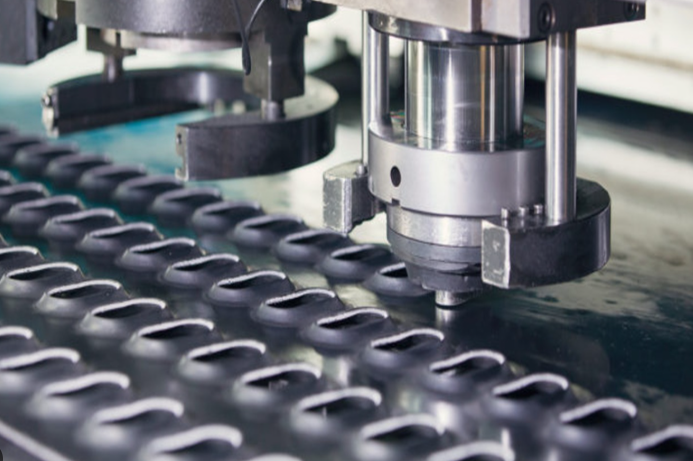
Perforacija s pomoću strojeva, također poznata kao perforiranje s pomoću strojeva, predstavlja glavnu ulogu u operacijama metalnog perforiranja. Ova metoda stiskanja i udaranja koristi postavku za udaranje metalnog ploča gdje oštri udarci silaze kroz materijal u odgovarajuće otvore ispod.
Mehanika uključuje sistem udaranja gdje udarac djeluje kao muški alat, a gumb za izbacivanje daje ženski ekvivalent. Kad se pritisne, udarci probijaju materijal i metak pada kroz otvor. Moderne perforatorske mase mogu raditi brzinom većom od 300.000 rupa u minuti, prema Priručnik Udruženja industrijskih perforatora .
Specifikacije alata dramatično utječu na kvalitetu konačnog proizvoda u perforaciji. Razmak između udarca i obloge, obično 5-10% debljine materijala, određuje kvalitetu rupe, stvaranje bradavice i dugovječnost alata. Pravilnim postupcima postavljanja osiguravaju se precizni usklađivanje šanka s otvorima, sprečavanje prijevremenog nošenja i održavanje dimenzionalne točnosti tijekom cijele proizvodnje.
Za postavljanje teških otvora za industrijsko perforiranje potrebno je nekoliko kritičnih komponenti koje rade u harmoniji:
- Za proizvodnju proizvoda od aluminija
- Za uporabu u proizvodnji električnih vozila iz tarifne podbrojeve 8528 ili 8528
- Za uporabu u proizvodnji električnih vozila
- Za uporabu u proizvodnji električnih vozila
Zamislite da je udarac metalni udarac koji se savršeno poklapa sa odgovarajućim gumbom. Ovo spajanje stvara djelovanje šišanja koje proizvodi čiste rupe s minimalnim iskrivljenjem.
| Faktor | Izravno izravno izravno izravno izravno | S druge strane, za proizvodnju proizvoda iz kategorije 1 i 2 se primjenjuje sljedeće: |
|---|---|---|
| Brzina Proizvodnje | Kontinuirana brza obrada; idealna za duže radove | Do 300.000 rupčića u minuti; odlično za serijsku proizvodnju |
| Razina preciznosti | Dobar konzistencija za standardne uzorke | Izvanredna točnost; tolerancije unutar tisućinčanih inča |
| Debljina materijala | Najbolje za tanje brzine (obično ispod 16 brzine) | Drži folija do debljine ploče od 1,5 inča |
| Fleksibilnost uzorka | S druge konstrukcije, osim onih iz poglavlja 8 | Vrlo svestran; okrugli, kvadratni, otvoreni i prilagođeni oblici |
| Troškovi postavljanja | Smanjenje početnih ulaganja u alat | Visoki troškovi alata, ali veća raznolikost uzoraka |
| Troškovna učinkovitost | Najštedljiviji za vrlo velike količine jednostavnih uzoraka | U skladu s člankom 3. stavkom 2. |
| Stvaranje otpada | Minimalna gubitka materijala | Proizvodi lubake koje se moraju odbaciti ili reciklirati |
Izbor između tih metoda često ovisi o specifičnim zahtjevima projekta. Trebaju milijuni identičnih perforacija u tankom materijalu? Rotirana perforacija vjerojatno nudi najbolju vrijednost. Zahtijevaju složene uzorke u teškim materijalima s tesnim tolerancijama? Perforacija daje preciznost i fleksibilnost.
Osim tih dva primarna načina, lasersko se rezanje metala pojavilo kao treća opcija za specijalizirane primjene. Laserskim perforacijom se fokusirana svjetlosna energija koristi za selektivno topljenje materijala, stvarajući rupe bez fizičkog kontakta. Iako je skuplja od mehaničkih metoda, laserska tehnologija pruža neprikosnovanu preciznost za složene uzorke i materijale koji otporni na konvencionalno perforiranje.
Razumijevanje ovih temeljnih procesa priprema vas da procijeni koje konfiguracije otvora najbolje služe potrebama vaše aplikacije. U odnosu između metode proizvodnje i izbora uzoraka izravno utječe na karakteristike performansi i troškove projekta.
Odabir pravog oblika rupe za vašu aplikaciju
Vidjeli ste kataloze uzoraka. Stranice okruglih rupa, kvadratnih rupa, otvorova i dekorativnih dizajna u svim mogućim veličinama i razmakom. Ali kako zapravo birate? Izbor uzorka nije samo o estetici. Oblik rupe koju navedete direktno određuje kako će vam perforirani metalni paneli raditi u stvarnim uvjetima.
Svaki tip uzorka donosi različite strukturne karakteristike, svojstva protoka zraka i vizualne efekte. Razumijevanje tih funkcionalnih razlika pretvara izbor uzoraka iz nagađanja u informirane inženjerske odluke .
Okrugli i kvadratni uzorci rupa i njihovi strukturni implikacije
Okrugle rupe predstavljaju najčešći izbor u proizvodnji perforiranih metala, i to s dobrim razlogom. Kružna geometrija ravnomjerno raspoređuje stres oko perimetra rupe, eliminišući koncentracije stresnih točaka koje stvaraju uglovi. To čini okrugle uzorke inherentno jačima od uglovitih alternativa na jednakim otvorenim područjima.
Prema Priručniku Udruženja industrijskih perforatora, najpopularniji je oblik okruglih rupa s razmakom od 60 stupnjeva zbog svoje prirodne čvrstoće i širokog spektra otvorenih površina koje pruža. Sastavljena konfiguracija maksimalno koristi materijal, uz održavanje strukturalnog integriteta preko ploče.
Kvadratne rupe nude drugačiji prijedlog vrijednosti. Dok oštri uglovi stvaraju lokalizirane točke napetosti, kvadratni uzorci pružaju superiornu vidljivost kroz panel. Razmislite o primjenama gdje morate jasno vidjeti kroz materijal, kao što su zaštitnici strojeva ili sigurnosni omotači. Ravne ivice kvadratnih otvorova stvaraju manje vizualnih smetnji od zakrivljenih profila.
Međutim, postoji i troškovi. Stručnjaci iz industrije precizne perforiranja primjetili su da je proizvodnja kvadratnih rupa skuplja od okruglih jer uglovi dodatno otežavaju udare. To ubrzava uništavanje alata i povećava zahtjeve za održavanjem tijekom proizvodnje.
U slučaju da se u skladu s člankom 3. stavkom 2. točkom (a) ovog članka ne primjenjuju na konstrukcije, za potrebe ovog članka, potrebno je utvrditi:
- Svaka od ovih vrsta mora imati svojstveni oblik. Maksimalni odnos snage i težine; idealan za nosilačke uređaje, filtre i akustične ploče
- Sklopna površina: U slučaju da se radi o kompresiji, mora se koristiti jedinica za izmjenu.
- Sklopna površina: Uređaj za zaštitu od štetnih zraka
- Sklopna površina: Kombinuje poboljšane uglove gledanja s boljom raspodjelom napona od pravovrsnih kvadratnih uzoraka
U skladu s člankom 4. stavkom 2.
Slots su u osnovi izdužene rupe s zaobljenim ili kvadratnim krajevima. Ova naizgled jednostavna modifikacija dramatično mijenja performanse perforirane aluminijumske ploče ili čelika u određenim primjenama.
Izdužena geometrija stvara smjerna svojstva koja okrugli i kvadratni otvorovi ne mogu podudarati. Protok zraka se slobodnije kreće duž duge osi otvora nego preko nje. Tečnosti se preferentno ispuštaju u jednom smjeru. Ove karakteristike čine slote neprocjenjivim za sortiranje, razvrstavanje i aplikacije s kontroliranim protokom.
Uzmimo za primjer obradu žitarica. Slomovi omogućuju prolazak izduženih zrna, a zadržavaju okrugla sjeme. U slučaju da se u skladu s člankom 3. stavkom 1. točkom (a) ovog članka ne primjenjuje, to se može smatrati da je u skladu s člankom 3. točkom (a) ovog članka. U tim aplikacijama sortiranja, izduženo otvaranje povećava propusnost u usporedbi s okruglim rupama jednake sposobnosti prečišćavanja.
Orijentacija otvora je važna. S bočnim razmakom, dužina osi je pravougaona prema smjeru protoka materijala, dok se na krajnjem razmakom, razmakom, razmakovi uskladjuju s protokom. Ako ne želite da se to dogodi, možete potpuno potkopati učinkovitost vaše aplikacije.
Dekorativni i ukrasni uzori
Osim funkcionalnih geometrija, perforirana metalna izrada može primiti širok spektar dekorativnih uzoraka. Šestokutne rupe stvaraju estetiku medene košnice koja podsjeća na strukturu uzorka medene košnice. Dijamantni oblici, listovi klinčeva, pa čak i složeni uzori poput grčkih ili Union Jack uzoraka služe prvenstveno arhitektonskim i unutarnjim dizajnerskim svrhama.
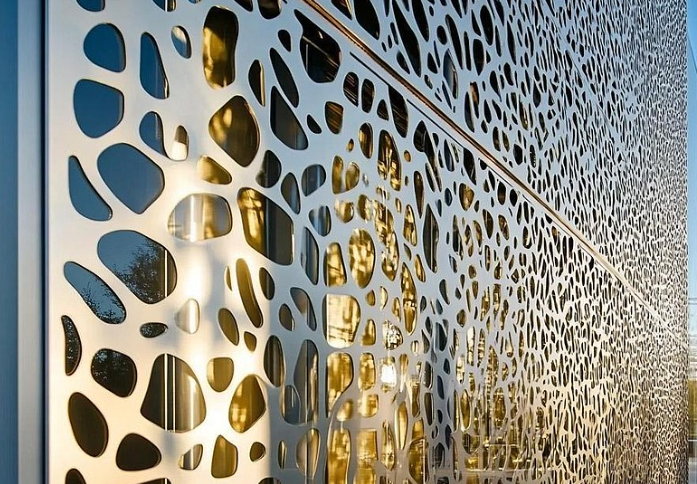
Dekorativni ekran za arhitektonske primjene može imati prilagođene uzorke koji uravnotežavaju vizualni privlačnost s praktičnim zahtjevima. Ove ukrasne opcije često se koriste za unutarnji pregled, obrade fasada i brendirane instalacije gdje izgled vodi specifikaciju.
-Kakva je razmjena? Dekorativni uzorci obično koštaju više za proizvodnju zbog zahtjeva za specijaliziranim alatima i potencijalno sporijim brzinama proizvodnje. U skladu s člankom 3. stavkom 2. točkom (a) ovog članka, sustav za upravljanje sustavima za upravljanje sustavima za upravljanje sustavima za upravljanje sustavima za upravljanje sustavima za upravljanje sustavima za upravljanje sustavima za upravljanje sustavima za upravljanje sustavima za upravljanje sustavima za upravljanje sustavima za upravljanje sustavima za upravljanje sustavima za upravljanje sustavima za upravljanje sustavima
Razumijevanje postotka otvorenih površina
Bez obzira na oblik rupe, jedna specifikacija u osnovi kontrolira performanse: procenat otvorene površine. U slučaju da je to potrebno, u skladu s člankom 6. stavkom 1. 40% otvorene površine znači da su četiri desetine ploče otvoreni prostor, dok šest desetina ostaje čvrsti materijal.
Otvoreno područje izravno utječe na tri kritična čimbenika performansi:
Filtracija i protok: Visoka otvorena područja omogućuju veći prolaz tekućine ili zraka. Za ventilacijske primjene, nedovoljno otvoreno područje ograničava protok zraka i povećava pad pritiska diljem panela. U Priručniku IPA-e detaljno se izračunava gubitak tlaka za različite obrasce i otvorena područja, što inženjerima omogućuje da određuju ploče koje zadovoljavaju posebne zahtjeve za protok zraka.
Akustična izvedba: Perforirani paneli služe kao oblozi za sustave za apsorpciju zvuka. Odstatak otvorene površine, zajedno s veličinom rupe i debljinom materijala, određuje koliko učinkovito zvučni valovi prolaze do apsorptivnog materijala iza. U skladu s člankom 3. stavkom 2. točkom (a) ovog članka, za sve proizvode koji se upotrebljavaju u proizvodnji električne energije, za koje se primjenjuje točka (a) ovog članka, za koje se primjenjuje točka (b) ovog članka, za koje se primjenjuje točka (c) ovog članka, za koje se
Strukturna integriteta: Ovdje je inženjerska prosudba kritična. Visoka otvorena područja smanjuju prijelaz materijala, smanjujući nosivost. IPA pruža razloge čvrstoće koji pokazuju kako perforiranje utječe na čvrstoću prinosa. Primjerice, 40% otvorena površina zadržava samo oko 33% čvrstoće čvrstog materijala u smjeru širine.
Pronaći pravu ravnotežu zahtijeva usklađivanje otvorene površine s vašim specifičnim funkcionalnim zahtjevima. S druge strane, u slučaju da se u arhitektonskom prikazu koristi perf metalni panel, prednost bi mogao imati vizualni učinak s 50% ili većom otvorenom površinom. Industrijske aplikacije za filtraciju mogu zahtijevati pažljivo izračunavanje brzine protoka u odnosu na strukturne zahtjeve. Akustični stropni paneli trebaju dovoljno otvorenog prostora za transparentnost zvuka, a istovremeno podupiru vlastitu težinu.
Odnos između izbora uzoraka i izbora materijala dodaje još jedan složen sloj. Različiti metali različito reagiraju na perforiranje, a isti uzorak u aluminiju i nehrđajućem čeliku proizvodi različite rezultate. Razumijevanje tih materijalnih interakcija pomaže vam optimizirati specifikacije za vaše točno potrebe primjene.
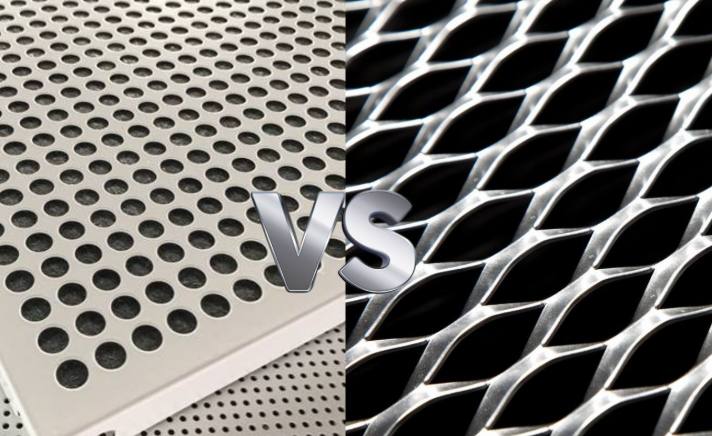
Uputstvo za odabir materijala za projekte s perforiranim metalima
Izbor pravilnog uzorka rupa je samo pola jednadžbe. Materijal koji odaberete u osnovi određuje kako će vam perforirani paneli funkcionirati, koliko dugo će trajati i koliko će na kraju koštati. Proizvođači obično rade s 20 ili više opcija materijala, od uobičajenih čelika do egzotičnih legura. Ali koji se zapravo uklapa u vaš projekt?
Razdvojimo glavne kategorije materijala i proučimo kada svaka ima smisla za vaše specifične zahtjeve.
S druge strane, u slučaju da se ne upotrebljava u proizvodnji, to znači da se ne upotrebljava u proizvodnji.
Kada je težina važna, aluminijumski paneli pružaju značajne prednosti. Prema podacima industrije, gustoća aluminija od samo 2,7 g/cm3 čini ga otprilike 60% lakšim od čelika. Ova smanjena težina direktno se pretvara u lakšu instalaciju, manje mjesta za pričvršćivanje i smanjeno strukturno opterećenje nosnih okvira.
Ali lagan ne znači slab. Aluminijumski perforirani listovi nude impresivnu kombinaciju svojstava:
- Izvanredna oblikovitost: Može se savijati do 150° bez pukotina, omogućavajući složene arhitektonske oblike
- S druge strane, u slučaju da se ne primjenjuje, to znači da se ne primjenjuje. Stvara zaštitni sloj oksida koji izdržava kišu, vlažnost i većinu izloženosti okolišu
- Termalna provodljivost: Na 235 W/m·K, aluminij se odlično koristi u aplikacijama za raspršivanje toplote kao što su elektronički kućišta i toplinski raspadci
- U slučaju da je vozilo u stanju da se vozi na hladnoj temperaturi: Zapravo dobiva snagu na temperaturama ispod zoni.
Postoji kompromis koji treba razmotriti. U skladu s člankom 3. stavkom 1. točkom (a) Uredbe (EZ) br. To znači da aluminijumski paneli zahtijevaju pažljivo projektiranje kada su uključeni strukturni opterećenja. Osim toga, ekstremno visoke temperature iznad 400 ° F mogu uzrokovati gubitak čvrstoće.
Idealne primjene aluminija uključuju ventilacije HVAC-a, rešetke zvučnika, dekorativne fasade, svjetlosne difuzore i arhitektonske kreme za sunčanje. U skladu s člankom 3. stavkom 1. točkom (a) Uredbe (EZ) br. 1225/2009 Komisija je odlučila o uvođenju mjera za utvrđivanje vrijednosti za proizvod.
Izbor nehrđajućeg čelika za korozivna okruženja
Kada se vaš perforirani čelik suoči s teškim kemikalijama, izloženosti slanoj vodi ili zahtjevnim higijenskim zahtjevima, nehrđajući čelik postaje izbor. Udio hroma (minimalno 10%) stvara samoprepravljajući se sloj oksida koji se reformiše kada se ogrebane ili ogrebane, pružajući kontinuiranu zaštitu.
Ne rade svi nehrđajući materijali jednako. Dvije najčešće opcije se značajno razlikuju:
Nerđajući čelik klase 304 rješava većinu općih izazova korozije i dobro radi za preradu hrane, arhitektonske primjene i umjerenu izloženost kemikalijama. To je radni konj za unutrašnje i vanjske dekorativne primjene gdje je dosljedan izgled važan.
Sklopci od nehrđajućeg čelika dodaje molibden za poboljšanu otpornost na kloride i slanu vodu. Prema specifikacije materijala 316L nehrđajuće čepi žestokim kemikalijama na pH razini od 1 do 14 i može se nositi s kontinuiranom izloženosti temperaturama u rasponu od -200 °C do 800 °C.
Za farmaceutsku opremu i medicinske primjene, elektro-polirani nehrđajući čelik poboljšava higijenu stvaranjem ultra glatke površine koja se odupire adheziji bakterija. Izrada ploča od nehrđajućeg čelika 8 x 4 u elektro-poliranoj završnici predstavlja zajedničku specifikaciju za instalacije u čistom prostoru i laboratorijima.
Ugljični čelik: Prvak u proračunskim rezultatima
Standardni ugljični čelik nudi uvjerljivu ekonomičnost za mnoge primjene. Tipično ćete platiti 40-60% manje od ekvivalentnog nehrđajućeg čelika dok steći odličnu čvrstoću i superiornu zavarivost u usporedbi s aluminijumom ili nehrđajućim opcijama.
U čemu je problem? Ugljični čelik zahtijeva zaštitu od korozije. Galvanizirani premazi pružaju najčešće rješenje, a slojevi cinka traju 15-25 godina u normalnim uvjetima. Galvanizirani galvanizirani čelik postiže Rockwellovu tvrdoću B80, što ga čini pogodnim za zahtjevna industrijska okruženja.
Prašno premazovanje dodatno produžava trajnost za vanjske instalacije. Kada su pravilno prekriveni, perforirani ploče od ugljikovog čelika učinkovito služe u oblozima za krevet kamiona, zaštitnim dijelovima industrijskih strojeva, poljoprivrednoj opremi i pri ekonomičnim arhitektonskim projektima.
Specijalni metali za jedinstvene zahtjeve
Osim tri primarna materijala, specijalni metali se odnose na nišne primjene gdje standardne opcije nisu dovoljne:
Bakar i bakarne legure donose antimikrobna svojstva koja ubijaju 99,9% bakterija u roku od 2 sata prema EPA-inoj certifikaciji. Prirodni razvoj patine stvara jedinstvene estetske završetke vrijedne u vrhunskim arhitektonskim akcentima i muzejskim vitrinama. Elektroprivedenost bakra (59,6×10⁶ S/m) također ga čini ključnim za RFI zaštitne aplikacije.
S druge vrste u skladu s člankom 3. stavkom 2. točkom (a) ovog članka, za uređaje za uređenje uređaja za uređenje uređaja za uređenje uređaja za uređenje uređaja za uređenje uređaja za uređenje uređaja za uređenje uređaja za uređenje uređaja za uređenje uređaje za uređenje
Titan pruža ekstremnu otpornost na koroziju i najveći odnos snage/teže među uobičajenim metalima, iako s značajnim troškovima.
| Imovina | Aluminij | Ugljični ocel | Sredstva za proizvodnju električne energije | Bakar |
|---|---|---|---|---|
| Otpornost na koroziju | Dobra (prirodni oksidni sloj) | Slabo (zahtijeva premaz) | Odličan (samo-izliječi) | Vrlo dobro (razvija patinu) |
| Relativna težina | Najlakši (2,7 g/cm3) | Smanjenje ili smanjenje količine | Smanjenje ili smanjenje količine | Smanjenje i smanjenje emisije |
| Relativna cijena | Umjereno | Najniža | Najviši (standardni metali) | Visoka (specijalitet) |
| Snaga | Smanjenje emisije | U skladu s člankom 3. stavkom 2. | Smanjenje emisije CO2 | Smanjenje |
| Tolerancija na temperaturu | Ograničeno iznad 400 °F | Odlično. | Iznimno (-200°C do 800°C) | Dobro |
| Svarivost | Srednja (potreban vještina) | Vrhunski | Dobro | Umjereno |
| Tipične primjene | Uređaji za uređivanje ventilacije | S druge konstrukcije | Proizvodnja hrane, pomorska, medicinska | Dekorativni, antimikrobni, štitnjački |
Izbor materijala i kompatibilnost proizvodnje
Vaš izbor materijala direktno utječe na to koje metode proizvodnje djelotvorno rade. Meki materijali poput aluminija i bakra lako se perforiraju standardnom perforacijom s minimalnom nošenjem alata. Teže materijale poput nehrđajućeg čelika zahtijevaju robusnije alate, sporije brzine i veću pažnju na razmak.
Debljina materijala također ograničava vaše mogućnosti. Tanji aluminijumski šipci ili listovi dobro odgovaraju rotirnim metodama perforacije, dok teži nerđajući čelik obično zahtijeva operacije udaranja. Kada određujete neobične materijale ili ograničene tolerancije, prije nego što završite dizajnirati, potvrdite sposobnost proizvođača za taj određeni materijal.
-Ključna stvar? Prvo usporedite materijal sa okolinom, a onda provjerite kompatibilnost proizvodnje. Obuhvat od nerđajućeg čelika može biti skuplji, ali eliminira probleme s održavanjem u korozivnim uvjetima. U skladu s člankom 3. stavkom 1. točkom (a) Uredbe (EZ) br. 725/2009 Komisija je odlučila da se odredi proizvodnja aluminijumskih ploča za proizvodnju električne energije u Uniji.
Nakon što je odabir materijala jasan, spremni ste povezati te izbore s specifičnim industrijskim primjenama i jedinstvenim zahtjevima proizvodnje koje svaki zahtijeva.
Uloga u različitim industrijama i njihove specifikacije
Sada kada razumijete materijale i uzorke, kako se ti izbori mogu primijeniti u stvarnom svijetu? Odgovor ovisi o tome što pokušavate postići. Dekorativni panel koji ukrasuje muzejski predvorje zahtijeva potpuno drugačije specifikacije od filtracijskog ekrana koji obrađuje industrijski ljuljak. Povežite svaku glavnu kategoriju primjene sa specifičnim zahtjevima proizvodnje koji ih čine djelotvornim.
Ono što razlikuje uspješne i razočaravajuće instalacije perforiranog metala često se svodi na usklađivanje specifikacija s zahtjevima primjene. Inženjeri koji razumiju ove veze, izrađuju panele koji pouzdano rade desetljećima. Oni koji nagađaju često se suočavaju s preuranjenim neuspjehom, prekomjernom održavanjem ili skupom zamjenom.
Arhitektonski perforirani metal za fasade i unutrašnjost zgrada
Arhitektonske primjene predstavljaju neke od najvidljivijih primjena perforirane metalne proizvodnje. Fasade zgrada, unutarnje pregrade, sustavi stropa i vanjske ploče za zaštitu privatnosti svi se oslanjaju na pažljivo određene perforirane ploče kako bi postigli svoju namjeru dizajna, a istovremeno ispunjavali strukturne i ekološke zahtjeve.
Prema stručnici za arhitektonsko perforiranje , dekorativni metalni ploče za fasade zahtijevaju istovremeno uravnoteženje više čimbenika: estetske površine, strukturne integritete, otpornosti na vjetrovu opterećenje i dugotrajne izdržljivosti od izlaganja vremenskim uvjetima.
U slučaju da se ne primjenjuje ovaj standard, za sve proizvode koji se upotrebljavaju za proizvodnju materijala za zaštitu od ozljeda, potrebno je utvrditi:
- Odabir materijala: Aluminijum dominira u aplikacijama fasada zbog svoje lagane prirode i otpornosti na koroziju. Anodizirani finiši daju živopisne, trajne boje. Za obalne ili industrijske okoliš, nehrđajući čelik nudi superiornu dugovječnost unatoč većoj težini i cijeni.
- Debljina ploče: Tipični fasadni paneli imaju debljinu od 0,3 mm do 12 mm. Tanji mjerili smanjuju težinu i troškove, ali mogu zahtijevati dodatnu potporu. Teže brzine otporne su na otpor vjetra, ali povećavaju strukturalne zahtjeve za montiranje sustava.
- % otvorene površine: Facade paneli obično imaju 7% do 83% otvorene površine ovisno o zahtjevima privatnosti, ciljevima sunčeve senke i vizualnim efektima. Visoka otvorena područja smanjuju dobivanje sunčeve topline, ali pružaju manje privatnosti od vanjskih pogleda.
- Veličina otvora: Perforacije od 5 mm do 100 mm promjera prilagođavaju se različitim namjerama dizajna. Manje rupe stvaraju jednakiju vizualnu gustoću kada se gledaju iz daljine, dok veće otvore pružaju dramatične efekte sjene i različite geometrijske uzorke.
Dekorativni panel za unutarnje primjene slijedi sličnu logiku, ali s različitim ograničenjima okoliša. Unutarnji paneli rijetko se izlažu vremenskim uvjetima, što omogućuje šire mogućnosti izbora materijala i završetaka. Naprimjer, na metalnim pločicama za plafon od metala često se koristi obojen ugljikov čelični materijal jer vlažnost i izloženost UV zračenju ostaju minimalne.
Razmatranja privatnosti oblikuju mnoge arhitektonske specifikacije. Vanjske zaštitne ploče moraju uravnotežiti blokiranje vidljivosti s protokom zraka i prijenosom svjetlosti. Uobičajeni pristup koristi manje rupe (5-10 mm) s umjereno otvorenim područjima (20-35%) kako bi se zaklonio pogled uz održavanje ventilacije. Specifična ravnoteža ovisi o udaljenosti i uglovima gledanja specifičnim za svaku instalaciju.
U skladu s člankom 4. stavkom 2.
Industrijske primjene daju prednost funkciji nad estetikom, iako izgled još uvijek može biti važan u opremi koja se odnosi na kupce. U skladu s člankom 3. stavkom 1. točkom (a) ovog članka, za sve uređaje za filtriranje, ventilacijske ploče i uređaje za filtriranje metala moraju se utvrditi posebni zahtjevi.
Filtracije zahtijevaju preciznu kontrolu prolaska čestica. Veličina rupe direktno određuje koje čestice prolaze kroz nasuprot onome što se zadrži. Ali postotak otvorene površine je jednako važan jer nedovoljna otvorena površina ograničava protok, povećava pad pritiska i smanjuje učinkovitost sustava.
U skladu s člankom 3. stavkom 1. Inženjeri mogu izračunati očekivane padove tlaka na temelju oblika rupa, površine otvorene površine, debljine materijala i brzine protoka. Ovi izračuni sprečavaju podmazanje koje bi usmrtilo procese nizvodno ili prevelike veličine koje bi trošile energiju gurajući zrak kroz nepotrebni otpor.
U primjeni ventilacije postoje slični problemi s protokom zraka, ali se dodaju akustični razmatranji. Perforirani metal služi kao obloživač za sustave za apsorpciju zvuka u HVAC opremi, industrijskim prostorijama i barijerama za buku. Uzorak perforacije određuje koliko efikasno zvučni valovi dospiju do apsorptivnog materijala iza.
Glavni razmatranji industrijske primjene uključuju:
- Filtracijski zasloni: Veličina rupe odgovara zahtjevima zadržavanja čestica; otvorena površina maksimalno povećava kapacitet protoka; materijal se odupire izloženosti kemijskim sredstvima i oštrini od filtriranih medija
- S druge strane, za vozila s brzinom od 300 km/h ili većom Otvorena područja obično prelaze 23% za akustičnu transparentnost; veličina rupa uravnotežuje protok zraka isključujući otpad; materijali otporni na koroziju obrađuju vlažne struje zraka
- Svaka vrsta vozila: U skladu s primjenjivim sigurnosnim standardima, veličina otvora sprečava ulazak prsta ili alata; debljina materijala osigurava otpornost na udarce; odredbe o montaži odgovaraju potrebama za pristup opremom
- Za uporabu u proizvodnji električnih vozila: Proizvodnja i proizvodnja proizvoda
- Zaštita od EMI/RFI: Manja rupa i donji otvoreni prostor povećavaju učinkovitost zaštite; bakrovi ili čelikovi materijali osiguravaju provodljivost; obrada šavova sprečava curenje u spojevima
Prema specijalisti za perforaciju , šesterokutni uzorci nude posebne prednosti za zaštitnike strojeva i ventilacijske aplikacije. Geometrija čokoladnih košnica omogućuje otvaranje površine do 80% uz održavanje strukturne čvrstoće, što omogućuje učinkovito hlađenje uz minimalno ograničenje protoka zraka.
Automobilskim i transportnim komponentama
U primjeni za transport nameću se neki od najzahtjevnijih zahtjeva za proizvodnju perforiranog metala. Automobilske komponente su istovremeno suočene s vibracijama, toplotnim ciklusima, izloženosti hemikalijama i strogim ograničenjima težine.
U slučaju da se radi o ograničenom prometu, to znači da se ne može koristiti za održavanje motora. Otvoreno područje mora biti dovoljno visoko da spriječi pregrijavanje pod maksimalnim opterećenjem, ali materijal i uzorak moraju preživjeti udare kamenja, prskalica soli i godine vibracija.
Izduvni toplinski štitovi predstavljaju još jednu uobičajenu primjenu u automobilu. Perforirani paneli odražavaju zračnu toplinu dok omogućuju konvekcijsko hlađenje. U skladu s člankom 3. stavkom 2. točkom (a) Uredbe (EZ) br. 765/2008 i člankom 4. stavkom (b) Uredbe (EZ) br. 765/2008 i člankom 4. stavkom (b) Uredbe (EZ) br. 765/2008 i člankom 4. stavkom (c) Uredbe (EZ) br. 765/2008 i
Dekorativni metalni ogradići koji okružuju objekte za komercijalna vozila i prometna središta kombiniraju sigurnosne zahtjeve s estetskim razmatranjima. U skladu s člankom 3. stavkom 2. točkom (a) ovog članka, "sredstva za upravljanje" uključuju:
Za zaštitu privatnosti, vanjske instalacije u prijevoznim objektima moraju izdržati stalno izlaganje vremenskim uvjetima, potencijalni vandalizam i desetljećima trajanja. U skladu s specifikacijama materijala često se zahtijeva galvanizirani ili nehrđajući čelik s odgovarajućim premazima za određeno okruženje.
Kako zahtjevi aplikacije pokreću specifikacije
Bez obzira na industriju, proces specifikacije slijedi dosljednu logiku. Počnite s funkcionalnim zahtjevima, a zatim se vratite unazad kako biste utvrdili kompatibilne uzorke, materijale i metode proizvodnje.
Uzmimo u obzir hipotetičku specifikaciju ventilacijske ploče:
- U skladu s člankom 6. stavkom 1. Panel mora proći 500 CFM protok zraka s manje od 0,1 inča pad pritiska vodene stupnice; mora osigurati 40dB smanjenje buke kada je podržan akustičnom izolacijom; mora biti otporan na koroziju u vlažnom industrijskom okruženju
- Izračunavanje potreba za otvorenim prostorom: U slučaju da je to potrebno, za određivanje vrijednosti za ispitivanje treba upotrijebiti statističke podatke.
- Izbor tipa uzorka: Okrugle rupe u razmaknutom uzorku pružaju najbolji odnos snage prema otvorenom području; rupe promjera 1/8 "na središtima 3/16" pružaju otprilike 40% otvorenog područja s dobrom akustičnom transparentnošću
- Izaberite materijal: Nehrđajući čelik 304 pruža otpornost na koroziju; debljina od 18 stupnjeva pruža odgovarajuću krutost za veličinu ploče
- U slučaju da je to potrebno, provjerite: Potvrditi ploča može podržati vlastitu težinu plus bilo primjenjuje opterećenja bez prekomjerne deflekcije
- U slučaju da je to potrebno, navesti je. Određivanje tretmana rubova, postavljanja i zahtjeva za završetkom
U skladu s člankom 3. stavkom 1. točkom (a) Uredbe (EU) br. 600/2014 Komisija je odlučila o uvođenju mjera za utvrđivanje zahtjeva za uvođenje mjera za utvrđivanje mjera za utvrđivanje mjera za utvrđivanje mjera za utvrđivanje mjera za utvrđivanje mjera za utvrđivanje mj
Tržište dekorativnih metalnih ploča nastavlja se širiti dok arhitekti otkrivaju nove primjene perforiranih materijala. Od fasada parkirališta do ekrana na željezničkim stanicama, svestranost perforiranog metala ispunjava različite estetske i funkcionalne zahtjeve. U međuvremenu, industrijske primjene postaju sve sofisticiranije dok inženjeri optimiziraju učinkovitost filtracije, akustične performanse i toplinsko upravljanje kroz precizno određivanje uzoraka.
Razumijevanje tih kategorija primjene i njihovih implikacija pri proizvodnji priprema vas za procjenu standarda kvalitete i zahtjeva za tolerancijom koji osiguravaju da vaši određeni paneli zapravo rade kako je namijenjeno u upotrebi.
U skladu s člankom 4. stavkom 2.
Vi ste precizirali savršen uzorak, izabrali idealni materijal, i identificirali proizvođača. Ali kako znate da će završeni paneli zapravo odgovarati vašim specifikacijama? Standardi kontrole kvalitete i tolerancije predstavljaju često zanemarenu osnovu koja odvaja pouzdan perforirani metal od problematičnih proizvoda koji ne prolaze inspekciju ili su loši u upotrebi.
Razumijevanje što tolerancije znače za vašu aplikaciju i kako ih proizvođači postižu i provjeravaju pomaže vam napisati specifikacije koje osiguravaju dosljedne rezultate.
U skladu s člankom 3. stavkom 2.
U slučaju da je to moguće, mora se utvrditi i utvrditi razina tolerancije. Nijedan proizvodni postupak ne proizvodi savršeno identične dijelove, pa industrijski standardi utvrđuju dopuštene rasponove koji uravnotežavaju praktične proizvodne mogućnosti s funkcionalnim zahtjevima.
Prema ISO i ASTM standardi u slučaju metalnih perforacija, za nekoliko kritičnih dimenzija potrebno je odrediti tolerancije:
- Izravno izravno Za materijale debljine 3 mm ili veće, okrugli i kvadratni otvorovi od 3,15 mm do 125 mm imaju tolerancije u rasponu od ±0,15 mm do ±3 mm ovisno o veličini otvora. U slučaju otvora između 0,5 mm i 10 mm, tanji materijali ispod debljine od 3 mm omogućuju strože tolerancije od ± 0,1 mm do ± 0,35 mm.
- Svaka vrsta vozila Razmak između središta i središta između rupa utječe na jednakošću uzorka i izračunavanje otvorene površine. U slučaju da je to potrebno za proizvodnju, u skladu s člankom 6. stavkom 3. točkom (a) ovog pravilnika, proizvođač mora imati pravo na:
- Svaka vrsta proizvoda U skladu s ASTM E674-12 i E454-12, tolerancije debljine materijala kreću se od ±0,18 mm do +1,00 mm/-0,25 mm ovisno o rasponu i vrsti otvora.
- U slučaju vozila s brzinom od 300 mm do 300 mm: U slučaju da se ne primjenjuje presjek, za svaki proizvod koji se upotrebljava za proizvodnju proizvoda za proizvodnju proizvoda za proizvodnju proizvoda za proizvodnju proizvoda za proizvodnju proizvoda za proizvodnju proizvoda za proizvodnju proizvoda za proizvodnju proizvoda za proizvodnju proizvoda za proizvodnju proizvoda za proizvodnju proizvoda za proizvodnju proizvoda za proizvodnju proizvoda za proizvodnju proizvoda za proizvod
- Svaka vrsta vozila U skladu s člankom 3. stavkom 1. točkom (a) Uredbe (EZ) br.
Kako debljina stupca utječe na ove tolerancije? Uobičajeno se koristi za proizvodnju čeličnih materijala od 16 gauge i 11 ga gauge. Međutim, teži materijali obično bolje zadržavaju ravnost tijekom perforacije. U slučaju 18 mm panela može se postići veća tolerancija na otvor, ali je potrebno više pažnje kako bi se spriječilo deformacija tijekom obrade.
Naprotiv, vrlo tanki materijali predstavljaju različite izazove. Specifikacija za 20 kalibra može postići odličnu točnost rupe, ali pati od odstupanja ravnosti ili ivičnog luka ako se ne podupire pravilno tijekom proizvodnje. Isto tako, valoviti čelik od 20 stupnjeva uveo je dodatnu složenost zbog formiranog profila koji je u interakciji s perforiranjem.
Odnos između debljine čelika 22 kalibra i tolerancije na perforiranje postaje posebno važan u preciznim primjenama. Tanji mjerili lakše se odbijaju pod udaranjem sila, što može utjecati na točnost postavljanja rupa u blizini rubova ploče ili u područjima s visokim postotkom otvorene površine.
Metode provjere kvalitete u proizvodnji
Za postizanje određenih tolerancija potrebna je sustavna kontrola kvalitete tijekom cijelog procesa proizvodnje. Vodeći proizvođači provode kontrolne točke u više proizvodnih faza umjesto da se oslanjaju samo na završnu inspekciju kako bi otkrili probleme.
U skladu s dokumentacijom o upravljanju kvalitetom proizvođača s ISO 9001-certifikatom, sveobuhvatni sustavi kvalitete bave se sljedećim kritičnim područjima:
- Ulazno materijalno provjeravanje: U slučaju da se ne primjenjuje, ispitni postupci se provode u skladu s člankom 6. stavkom 2.
- Za potrebe članka 4. stavka 1. U skladu s člankom 3. stavkom 2. točkom 3. ovog članka, za proizvodnju materijala za obradu materijala za obradu materijala za obradu materijala za obradu materijala za obradu materijala za obradu materijala za obradu materijala za obradu materijala za obradu materijala za obradu materijala za obradu materijala za obradu
- Prva inspekcija: U slučaju da se proizvodnja ne završi, ispitni sustav mora biti u skladu s sljedećim uvjetima:
- Monitoriranje tijekom procesa: U skladu s člankom 4. stavkom 2.
- Svaka vrsta vozila mora biti opremljena s: U skladu s ISO 10630, maksimalne visine brda se kreću od ±0,15 mm do ±0,75 mm ovisno o debljini materijala
- U slučaju da je to potrebno, mjerenje ravnosti: U slučaju da se ne primjenjuje, to se može učiniti na temelju odgovarajućih metoda.
- Izvješće o nedostatku: Vidne i dimenzionalne provjere identificiraju otcjepljenje na rupama, nedostajućim rupama, rubnim lukovima i valovitim rubovima prije isporuke
U skladu s člankom 3. stavkom 1. točkom (a) Uredbe (EU) br. 1095/2010 Komisija je odlučila o uvođenju mjera za utvrđivanje zahtjeva za uvođenje u promet. U slučaju da je proizvodnja proizvoda u skladu s ovim standardima u skladu s ovom Uredbom, proizvođač mora imati ovjerenu sposobnost dosljednog ispunjavanja utvrđenih tolerancija.
U slučaju kritičnih primjena, razmotrite zahtjev za dokumentacijom o proizvođačevom sustavu kvalitete, uključujući zapise o kalibraciji za mjernu opremu, statističke podatke o kontroli procesa i postupke inspekcije. U slučaju da se u skladu s člankom 6. stavkom 2. točkom (a) ovog članka ne primjenjuje, proizvođač mora se obaviti provjera.
Interakcija između standarda kvalitete i faktora troškova izravno utječe na ekonomičnost projekta. Za veće tolerancije obično je potrebna sporija proizvodna brzina, češće mijenjanje alata i veći napor inspekcije. Razumijevanje ove veze pomaže vam da odredite tolerancije odgovarajuće vašim stvarnim funkcionalnim potrebama bez plaćanja premija za preciznost koju ne trebate.
Činjenice troškova i razmatranja cijena
Definirali ste svoj uzorak, odabrali materijal i potvrdili zahtjeve kvalitete. Sada dolazi pitanje koje svi postavljaju, ali na koje malo vodiča može odgovoriti izravno: koliko će to zapravo koštati? Razumijevanje cijena perforiranog metala nije o zapamtiti cijene. Radi se o prepoznavanju koje specifikacije izabrati pokrenuti troškove i koje optimizacije zadržati proračun upravljiv.
Prema analizi cijena u industriji, nekoliko međusobno povezanih faktora određuje vašu konačnu cijenu. -Dobre vijesti? Kada razumijete ove pokretače, možete napraviti informirane kompromise koji uravnoteže zahtjeve za performansama s ekonomijom projekta.
U skladu s člankom 3. stavkom 2.
Mislite na cijene perforiranog metala kao slojevitu strukturu. U osnovi se nalazi cijena sirovina, koja varira s globalnim tržištima robnih proizvoda. U skladu s člankom 3. stavkom 2. Konačno, sekundarna obrada i logistika dodaju konačne dodire ukupnoj investiciji.
Vrsta materijala određuje osnovnu liniju. Kao napomena stručnjaka za proizvodnju , nehrđajući čelik ima najviše cijene među uobičajenim metalima zbog svoje otpornosti na koroziju i trajnosti. Aluminijum spada u umjeren raspon, nudeći laganost po razumnoj cijeni. Galvanizirani čelik pruža ekonomične performanse kada premaz pruža odgovarajuću zaštitu. Specijalni metali poput bakra još više rastu u dekorativnim ili antimikrobnim primjenama.
Debljina direktno množi troškove materijala. U slučaju da se u skladu s člankom 3. stavkom 1. stavkom 2. točka (a) primjenjuje na proizvodnju proizvoda, to znači da se proizvodnja proizvoda može upotrebljavati samo u proizvodnji proizvoda koji se upotrebljavaju u proizvodnji proizvoda. Ali debljina također utječe na brzinu obrade. Teže mjerilo usporava cikluse udaranja, povećava nošenje alata i zahtijeva robusnije rukovanje tijekom proizvodnje.
Veličina lista utječe na učinkovitost. Standardne dimenzije 4x8 ploče optimiziraju upotrebu materijala i protok proizvodnje. U nekim slučajevima, za određene projekte, prilagođene veličine mogu izgledati ekonomično, ali često stvaraju višak otpada kada se odseče iz standardnog zaliha mlinova. Za prevelike ploče potrebna je posebna oprema i rukovanje, što povećava troškove koji mogu iznenaditi nepripremljene kupce.
Kompleksnost otvora oblikuje vrijeme obrade. Jednostavne okrugle rupe u standardnim razvrstanim uređenjima učinkovito rade na uspostavljenim alatima. Gosti uzorci s visokim omjerom otvorene površine zahtijevaju više udarca za svaki panel. Za složene ili prilagođene projekte potrebno je imati poseban alat, veće tolerancije i često održavanje stroja.
| Kategorija troškova | Relativni učinak | Kako utječe na cijene |
|---|---|---|
| Vrsta materijala | Visoko | Nehrđajući čelik košta 2-3 puta više ugljikovog čelika; aluminijum umjereno; specijalni metali najviše |
| Debljina materijala | Visoko | U skladu s člankom 3. stavkom 2. |
| Dimenzije listova | Umjereno | Nestandardne veličine povećavaju stopu otpada i složenost rukovanja |
| Veličina i razmak rupa | Umjereno | Manje rupe i uski razmak zahtijevaju više poteza po kvadratnom metru |
| Složenost uzorka | Umjereno do visoko | Za dizajniranje prilagođenih uzoraka potrebna su posebna alata; za dekorativne uzorke proizvodnja je spora |
| Postotak otvorenog površina | Umjereno | Veće otvorene površine znači više rupa po ploči, povećava vrijeme rada stroja |
| Sekundarna obrada | Varijabilno | Slikavanje, sečenje, zavarivanje, bojenje i anodiranje su troškovi koji se povećavaju |
| Količina narudžbe | Visoko | U skladu s člankom 3. stavkom 2. točkom (a) Uredbe (EU) br. 1303/2013 |
| Uređaji za prilagođavanje | Umjereno do visoko | Nestandardni oblici rupa zahtijevaju naknadu za oblikovanje; ponovna uporaba u ponovljenim narudžbama |
Kako količina i složenost utječu na vaš citat
Evo nešto što mnoge kupce zapanjuje: cijene metalnih perforiranih materijala ne padaju ravno s povećanjem količine. U skladu s člankom 3. stavkom 1. Razumijevanje gdje su ti koraci pomaže vam strukturirati narudžbe koje zapravo otključavaju uštede.
Prema analiza nabave na veliko , većina proizvođača definiše minimalne količine narudžbe oko stvarnosti proizvodnje. Ispod određenih pragova, troškovi postavljanja dominiraju cijenom po jedinici. Programiranje, poravnanje alata i ručno provjeravanje troše isto vrijeme bez obzira naručite li 10 ili 100 listova. U skladu s člankom 3. stavkom 1. točkom (a) Uredbe (EU) br. 600/2014 Komisija je u skladu s člankom 3. stavkom 1. točkom (a) Uredbe (EU) br. 600/2014 utvrdila da je proizvodnja proizvoda koji se proizvode u Uniji u skladu s člankom 3. stavkom 1. točkom (a) Uredbe (EU) br
Što to znači? Razdvajanje jedne velike narudžbe na više malih serija gotovo uvijek povećava ukupne troškove, čak i kada specifikacije ostanu iste. U skladu s člankom 3. stavkom 1. stavkom 2.
Kompleksnost uzorka uvodi vlastitu dinamiku troškova. U skladu s člankom 3. stavkom 1. U trenutku kada se specifikacije pomjeste prema nestandardnim rasporedom, nepravilnom razmakom između rupa ili geometrijom koja se temelji na brendiranju, troškovi rastu zbog promjena alata i sporijih ciklusa probiranja.
To je rekao, prilagođeni dizajni postati stabilne cijene opet jednom količina opravdava posvećeno alat. U slučaju velikih fasada ili infrastrukturnih projekata u kojima vizualna identiteta nadmašuje početne troškove postavljanja, često se postižu konkurentne cijene unatoč jedinstvenim specifikacijama. Ključ je u tome što se ulaganje u proizvodnju alata amortizira u količinama koje su dovoljne za proizvodnju.
Optimizacija specifikacija za troškovnu učinkovitost
Pametno pisanje specifikacija uravnotežuje zahtjeve za performansama s ekonomskom realnošću. Evo kako optimizirati bez žrtvovanja ono što je važno:
- U slučaju da je moguće, standardizirati: Upotreba uzoraka kataloga i standardnih dimenzija listova metala smanjuje troškove alatke i brzine proizvodnje
- Odgovarajući veličine materijala: Najnatanji razmak koji ispunjava zahtjeve konstrukcije; pretjerano projektiranje troši novac
- Koordinirane površinske obloge: Proizvodnja praha je skuplja kada se odabir boja usklađuje s standardnim proizvodnim serijama; jedinstvene boje prekidaju linije premaza i povećavaju cijenu po kvadratnom metru
- Sljedeći postupci izrade plana: Sekundarne operacije kao što su savijanje, rezanje i liječenje rubova dodaju korake rukovanja; minimizirati standardizacijom uglova savijanja i profila rubova u cijelom projektu
- U skladu s člankom 5. stavkom 1. U skladu s člankom 4. stavkom 2.
- Uzmite u obzir 4 x 8 aluminijumskih listova ili ekvivalentne standarde: Standardne dimenzije optimiziraju prinos materijala i učinkovitost proizvodnje
Kada uspoređujete cijene, provjerite što svaka cijena zapravo pokriva. U nekim se uvodnim podacima uključuju sirovina, perforiranje, rezanje i pakiranje. Drugi se zaustavljaju na nedovršenih listova, prenoseći preostale troškove nizvodno. U skladu s člankom 3. stavkom 2. točkom (a) Uredbe (EZ) br. 765/2008 Komisija je odlučila o izmjeni Uredbe (EZ) br. Za točan usporedba citata potrebno je razumjeti ove uključivanja red po red.
Na vrijeme utječu i tržišni uvjeti. Cijene sirovina prate globalne indekse robnih proizvoda, a kotacije često imaju ograničeno razdoblje važenja vezano uz ovu nestabilnost. Sezonska potražnja na tržištima s velikim udjelom gradnje može povećati cijene u vrhunskim razdobljima. Kupci koji planiraju nabavku u tim ciklusima često osiguravaju bolje cijene od onih koji naručuju reaktivno.
-Ključna stvar? Cijene metalnih perforiranih materijala nagrađuju informirane kupce koji razumiju pokretače troškova i odgovarajuće optimizuju specifikacije. Sa ovim znanjem u ruci, spremni ste djelotvorno raditi s proizvođačima i pisati RFQ-ove koji generišu točne, konkurentne citatove.
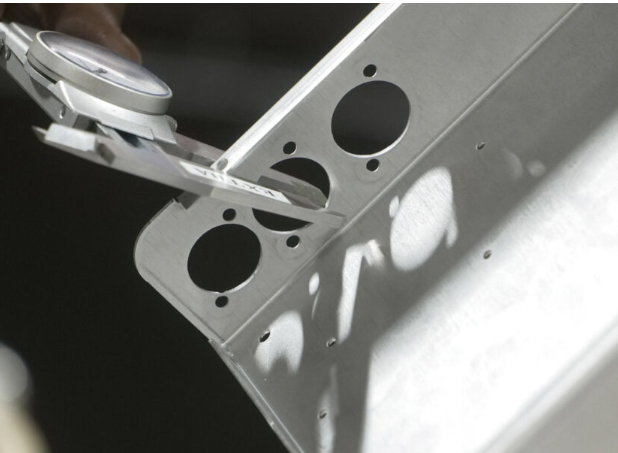
S druge strane, u slučaju da se ne radi o proizvodnji, ne može se koristiti proizvodnja od metalnih materijala.
Razumijete uzorke, materijale, standarde kvalitete i troškove. Sada dolazi praktični izazov: prevoditi to znanje u uspješne odnose s proizvođačima. Razlika između glatke nabavke i frustrirajućeg povratka i odlaska često se svodi na to koliko dobro unaprijed komunicirate zahtjeve i koliko temeljito procijenite potencijalne partnere.
Bilo da nabavljate od poznatih imena kao što su Metalički ili Hendrick Manufacturing , ili traženje regionalnih dobavljača, temelji učinkovite suradnje ostaju dosljedni. Prođimo kroz proces specifikacije i kriterije ocjenjivanja koji vode do uspješnih rezultata.
Osnovne specifikacije koje treba uključiti u svoj RFQ
Potpuni zahtjev za citatom eliminiše nagađanje i sprečava skupe nesporazume koji dovode do neuspjeha. Prema popisu narudžbi Udruženja industrijskih perforatora, vaš RFQ trebao bi se baviti sljedećim kritičnim elementima:
- Čisto definirati zahtjeve za količinu. U slučaju da je proizvodni sustav u stanju da se koristi za proizvodnju električne energije, mora se utvrditi da je proizvodni sustav u stanju da se koristi za proizvodnju električne energije. Razmislite o tome ima li smisao postepena isporuka za vremenski okvir projekta.
- Navedite precizno materijal i debljinu. U slučaju da je to potrebno, u skladu s člankom 6. stavkom 1. točkom (a) ovog Pravilnika, za sve proizvode koji se upotrebljavaju u proizvodnji goriva za gorivo za gorivo za gorivo za gorivo za gorivo za gorivo za gorivo za gorivo za gorivo za gorivo za gorivo za gorivo za gori Nejasnost ovdje stvara nedosljednosti citat koji kompliciraju usporedbu dobavljača.
- U skladu s člankom 6. stavkom 1. U slučaju da je to moguće, u slučaju da je to moguće, u slučaju da je to moguće, u slučaju da je to moguće, u slučaju da je to moguće, u slučaju da je to moguće, u slučaju da je to moguće. U slučaju da se ne navede drukčije, proizvođači obično pretpostavljaju da se dužina odnosi na dugoj dimenziji. U slučaju projekata koji zahtijevaju usluge laserskog rezanja metala za stvaranje prilagođenih oblika, uključite detaljne crteže ili CAD datoteke.
- Detaljne specifikacije za perforiranje. U slučaju da je to potrebno, za određivanje veličine otvorene površine, potrebno je utvrditi veličinu otvorene površine u inčima ili milimetrima, raspored uzoraka (počnute ili ravne linije) i razmak izražen kao udaljenost između središta i središta, postotak otvorene površine ili rupe po kvadrat U slučaju izbočanih perforiranih površina, navesti je li dužina izbočane površine paralelna dužini ili širini ploče.
- U skladu s člankom 4. stavkom 2. Ako su čvrste granice važne iz razloga montiranja ili iz estetskih razloga, navesti točne dimenzije rubnice. U suprotnom, navesti "minimalne ili nikakve marže" kako bi se omogućila fleksibilnost proizvodnje.
- U slučaju da je to potrebno, navesti je. Bez obzira na to trebate li sirovine, premaz praha, anodiziranje, elektropuliranje ili druge površinske obrade, dokumentirajte specifikacije završetka uključujući standarde boja, razine sjaja i sve zahtjeve za radnim performansama poput otpornosti na sol.
- Uključite potrebe sekundarne obrade. U zahtjevu za informacije treba izričito navesti i radove koji se odnose na druge aktivnosti osim osnovne perforacije, kao što su savijanje, oblikovanje, rezanje na oblik, otvaranje rupa ili sastavljanje.
- U skladu s člankom 6. stavkom 2. Ako vaša primjena zahtijeva strože tolerancije od industrijskih standarda, jasno dokumentirajte ta očekivanja i očekujte odgovarajuće posljedice troškova.
- U skladu s člankom 3. stavkom 1. Upišite potrebne datume isporuke, prihvatljive metode isporuke i sve posebne pakete potrebne kako bi se spriječilo oštećenje tijekom prijevoza.
Za specijalizirane primjene poput vibracijskih ekrana ili rotirajuće opreme za pregled, vijesti specifične za industriju pružaju dodatne smjernice specifikacija. U slučaju da je to primjenjivo, upućujte se na ove standarde u svom RFQ-u kako bi osigurali da proizvođači razumiju vaš operativni kontekst.
U skladu s člankom 4. stavkom 2.
Ne daju svi proizvođači jednake rezultate. U skladu s člankom 3. stavkom 2. stavkom 2. Prema riječima stručnjaka za proizvodnju metala, pet ključnih čimbenika razlikuje sposobne partnere od rizičnih izbora.
Iskustvo i znanje o industriji su izuzetno važni. Godine proizvodnje u poslu obično se povezuju s dubljim stručnim znanjem o materijalima, rafiniranim procesima i sposobnošću da se predvidi izazovi prije nego što postanu problemi. Pitaj potencijalne dobavljače o njihovim iskustvima s vašim specifičnim materijalima, uzorcima i vrstama primjene. Zahtjev za studijama slučajeva ili referencijama iz sličnih projekata.
-Nakon toga, ne. Proizvođači koji se bave punjenjem metalnih ploča, laserskim rezanjem metala, oblikovanjem, završavanjem i sastavljanjem pod jednim krovom održavaju strožu kontrolu kvalitete i bržu obratu nego oni koji vanjski iznajmljuju kritične operacije. Kada metalna perforacijska mašina napravi vaše perforacije, ali sekundarne operacije se odvijaju negdje drugdje, komunikacijski praznine i kvalitetni neslaganji se množe.
U skladu s člankom 3. stavkom 1.
- Metode perforacije: rotirajuće, perforacija s pomoću matice, lasersko sečenje
- Sposobnost rukovanja materijalima za vaše određene debljine i veličine listova
- Sklopci za obradu i precizno oblikovanje
- Svaka vrsta zavarivanja
- Opcije obrade površine koje odgovaraju vašim zahtjevima za završetkom
- Podrška montaži i ispitivanju složenih komponenti
Inženjering i podrška projektiranju dodaje vrijednost. Najbolji proizvođači surađuju rano, pregledavaju crteže i pružaju upute za dizajn za proizvodnju (DFM) koji optimiziraju dizajne za isplativu proizvodnju. Ova podrška posebno je vrijedna za složene sastave ili primjene gdje perforacija surađuje s zahtjevima oblikovanja, zavarivanja ili preciznog prilagođavanja.
Sertifikacije kvalitete pokazuju sustavnu sposobnost. ISO 9001 certifikat označava dokumentirane sustave upravljanja kvalitetom. Za automobile i precizne proizvodne aplikacije, certifikat IATF 16949 predstavlja zlatni standard. Ovaj okvir upravljanja kvalitetom specifičan za automobilski sektor temelji se na ISO 9001 s pojačanim zahtjevima za prevenciju mana, upravljanje lancem opskrbe i stalno poboljšanje.
U skladu s člankom 3. stavkom 1. točkom (a) Uredbe (EU) br. 765/2012 i člankom 3. stavkom (b) Uredbe (EU) br. 765/2012 i člankom 3. stavkom (b) Uredbe (EU) br. 765/2012 i člankom 3. stavkom (c) Uredbe (EU) br. 765/2012 i U skladu s člankom 3. stavkom 1. stavkom 2.
Za automobile i precizne aplikacije za metalno pecanje, proizvođači koji nude mogućnosti brzog izrade prototipa značajno ubrzavaju razvojne cikluse. Razmislite o dobavljačima kao što su Shaoyi (Ningbo) Metal Technology , koji kombinira IATF 16949-certificirani kvalitet s 5-dnevnim brzim prototipiranjem, sveobuhvatnom podrškom DFM-a i 12-satnim povratom ponuda. Ova kombinacija brzine, certificiranja i inženjerske suradnje pokazala se neprocjenjivom pri razvoju šasije i strukturnih komponenti u uskim vremenskim okvirima.
Skalabilnost i komunikacija završavaju procjenu. Vaš idealan partner podržava i trenutne potrebe i budući rast, od prototipa do pune proizvodnje bez degradacije kvalitete. Transparentna komunikacija, uključujući jasne vremenske rasporede, proaktivne ažuriranja i realna očekivanja, sprečava skupa iznenađenja i održava projekte na pravom putu.
Pitanja koja treba postaviti prije obveze
Osim procjene sposobnosti na papiru, direktni razgovori otkrivaju kako potencijalni proizvođači zapravo rade. Zamislite:
- Koliko je vremena potrebno za projekte poput mojih?
- Kako se nosite s izmjenama specifikacija nakon što proizvodnja počne?
- Koje provjere dokumentacije ćete dostaviti uz isporuku?
- Možete li nam reći kako kontrolirate kvalitet i stope nedostatka?
- Tko će biti moj glavni kontakt za pitanja projekta?
- Kako se nosite s materijalima ili tolerancijama izvan standardnih mogućnosti?
Odgovori na pitanja otkrivaju ne samo sposobnost nego i način komunikacije i rješenja problema. Proizvođači koji transparentno odgovore, iskreno priznaju ograničenja i objašnjavaju kako rješavaju izazove obično daju bolje rezultate od onih koji obećavaju sve bez kvalifikacija.
Regionalni razlozi su ponekad važni. Dobavljači poput Southwark Metal Manufacturing i sličnih regionalnih proizvođača mogu ponuditi logističke prednosti za određene projekte. Međutim, sposobnost i kvaliteta bi trebali biti važniji od samo blizine. U skladu s člankom 3. stavkom 2. stavkom 2.
Nakon što su uspostavljeni odnosi između proizvođača i specifikacije zaključene, buduće razmatranja dolaze u središte pažnje. U skladu s člankom 3. stavkom 1. stavkom 2.
Kako donositi informirane odluke o sljedećem projektu
Prirodno je da se industrija perforiranog metala i dalje brzo razvija. Nove tehnologije proizvodnje, promjena očekivanja održivosti i pametniji proizvodni tokovi preobražavaju način na koji inženjeri i stručnjaci za nabavku pristupaju specifikacijama. Razumijevanje ovih novih trendova pomaže vam da budući projekt bude siguran i da iskoristite mogućnosti koje nisu bile dostupne ni prije nekoliko godina.
Napredak laserskog sečenja u stvaranju složenih uzoraka
Tradicionalna perforacija je iznimno dobra za proizvodnju velikih količina. Ali što se događa kad vaš dizajn zahtijeva uzorke u metalu koji prevazilaze standardne mogućnosti alata? Tehnologija laserskog rezanja odgovara na to pitanje bez presedana preciznosti i fleksibilnosti.
Prema analizi industrije za 2025., ultrabrzi laseri sada pružaju neusporedivu točnost s minimalnim zonom pogođenim toplinom, proizvodeći čistije rezove i znatno manje otpada materijala. Zeleni laseri otvorili su nove mogućnosti za rezanje reflektivnih materijala poput bakra, mesinga i zlata koji su se prije opirali konvencionalnoj laserskoj obradi.
Što to znači za vaše dekorativne metalne ploče specifikacije? Složeni geometrijski dizajni, uzorci specifični za određenu marku i složene dekorativne primjene aluminijumskih ploča koje su nekada zahtijevale skupo prilagođeno oruđe sada se mogu lakše rezati laserom. Optimizacija zasnovana na umjetnoj inteligenciji prilagođava parametre rezanja u realnom vremenu, povećavajući brzinu i osiguravajući dosljednu kvalitetu tijekom proizvodnih ciklusa.
Integracija tehnologije 3D laserskog rezanja posebno je transformativna za primjene perforiranih metalnih ploča u arhitekturi. Sada se mogu proizvesti složene trodimenzionalne strukture koje kombiniraju perforiranje i oblikovanje s preciznošću koja je prije bila nepraktična. Za dekorativne fasade od ploče koje zahtijevaju jedinstvene vizualne efekte, ovi napredak otvara mogućnosti dizajna koje prevazilaze ograničenja ravnih ploča.
Održivi materijali za moderne projekte
Održivost se prebacila s opcionalnog razmatranja na zahtjev za specifikacijom za mnoge projekte. Prema istraživanja objavljena u PMC , svjetska godišnja upotreba resursa dostigla je gotovo 90 milijardi metričkih tona 2017. godine i mogla bi se više nego udvostručiti do 2050. U skladu s člankom 3. stavkom 1.
-Dobre vijesti? Perforirani metal je prirodno recikliran. Čelični materijal se može neprekidno reciklirati bez gubitka kvalitete, a trenutno se 84% svih čeličnih ambalaža stavljenih na europsko tržište reciklira u nove proizvode od čelika. Upotreba reciklirane tvari smanjuje utjecaj na okoliš i u mnogim slučajevima troškove materijala.
Moderni laserski sustavi također su dizajnirani s obzirom na energetsku učinkovitost, smanjujući operativne troškove i istodobno smanjujući utjecaj na okoliš. Napredni softver optimizira upotrebu materijala, minimizira otpad i promoviše održive proizvodne prakse. U slučaju da se za proizvodnju proizvoda primjenjuje posebna metoda, potrebno je utvrditi razine za upotrebu.
Multifunkcionalna perforirana rješenja predstavljaju još jedan trend održivosti koji vrijedi razmotriti. Prema analiza industrijskih tržišta , perforirani metali koji nude dodatne prednosti kao što su apsorpcija zvuka, poboljšana privatnost ili čak proizvodnja energije, sve su popularniji. Metalni prozorski zasloni koji kombinuju kontrolu svjetlosti s pasivnom ventilacijom smanjuju opterećenje HVAC-a. S druge strane, u skladu s člankom 3. stavkom 1. stavkom 2.
Ključne točke koje treba imati na umu pri donošenju odluka
U ovom vodiču, pokrili smo međusobno povezane odluke koje oblikuju uspješne projekte sa perforiranim metalima:
- Izbor uzorka izravno je usklađen s strukturalnom čvrstoćom, zahtjevima za otvorenim prostorom i vizualnim izgledom za vašu specifičnu primjenu
- Izbor materijala u skladu s člankom 3. stavkom 2.
- Svrha i opseg: ovisno o zapisu, složenosti i zahtjevima tolerancije
- Standardi kvalitete osiguravanje da se specifikacije pretvore u stvarne performanse
- Optimizacija troškova dolazi od razumijevanja vozača i donošenja informiranih kompromisa
- Izbor proizvođača zahtijeva ocjenjivanje sposobnosti, sertifikacija i kvalitete komunikacije
Najuspješniji projekti perforiranog metala uravnotežavaju tri međusobno ovisna faktora: zahtjeve za performansama koji odgovaraju stvarnim zahtjevima aplikacije, optimizaciju troškova kroz pametne izbore specifikacija i standarde kvalitete koji se primjenjuju kroz sposobna partnerstva proizvođača.
Vaši sljedeći koraci
Spreman za napredovanje? Prije nego što se baviš katalogima uzoraka, prvo dokumentiraj svoje funkcionalne zahtjeve. Definirajte što perforirani metal zapravo mora postići: brzine protoka zraka, akustične performanse, konstrukcijske opterećenja, vizualne efekte ili neke kombinacije. Neka ti zahtjevi vode vaš uzorak i materijal izbor umjesto odabiru estetski i nada funkciju slijedi.
Prilikom traženja ponuda, koristite sveobuhvatnu listu RFQ-a koju smo opisali kako bismo osigurali potpune, usporedljive odgovore. Proizvođače ocjenjujte na temelju sposobnosti i kvalifikacije, a ne samo cijene. Razmislite o tehnologijama poput naprednog laserskog rezanja kada vaši dizajni zahtijevaju složenost koju tradicionalne metode rješavaju manje učinkovito.
Industrija izrade perforiranih metala nastavlja napredovati. Razumijevanje temeljnih standarda i održavanje na trenutačnom nivou s novim mogućnostima omogućuju vam da svoje projekte pozicionirate tako da mogu imati koristi od dokazane proizvodne stručnosti i najsavremenijih inovacija.
Često postavljana pitanja o proizvodnji metalnih perforiranih materijala
1. za Koje su tri glavne vrste proizvodnje perforiranog metala?
Tri primarne metode proizvodnje su perforiranje perforacijom, perforacija rotirajućim perforacijom i laserskim perforacijom. U punch pressu se koristi matrice za stvaranje do 300.000 rupa u minuti i rukovanje materijalima od folije do 1,5 inčne ploče. Rotirana perforacija izvrsno se koristi u kontinuiranoj proizvodnji velikih količina tanjih mjera. Lasersko perforacija pruža izuzetnu preciznost za složene uzorke i može stvoriti rupe male samo pet mikrona, što je čini idealnim za prilagođene dizajne i reflektirajuće materijale.
2. - Što? Kako odabrati pravi uzorak rupe za moj projekt perforiranog metala?
Izbor uzorka ovisi o vašim funkcionalnim zahtjevima. Okrugle rupe u 60-stepenicnim rasporedima pružaju najbolji odnos snage i težine za filtraciju i akustične primjene. Kvadratne rupe pružaju bolju vidljivost za zaštitnike strojeva i sigurnosne komore. Uzorci s slojevima stvaraju usmjeren protok zraka i idealni su za razvrstavanje, razvrstavanje i drenažu. U slučaju da se ne provede ispitivanje, potrebno je utvrditi razinu i razinu otvaranja.
3. Slijedi sljedeće: Koje se materijale obično koriste za proizvodnju perforiranog metala?
Uobičajeni materijali uključuju aluminij, ugljični čelik, nehrđajući čelik i specijalne metale poput bakra. Aluminijum je 60% lakši od čelika s prirodnom otpornošću na koroziju, idealno za HVAC i arhitektonske primjene. Ugljični čelik nudi najnižu cijenu, ali zahtijeva zaštitni premaz. Nehrđajući čelik 304 se nosi s općom korozijom dok 316 odupire hlorima i slanoj vodi. Bakar ima antimikrobna svojstva i odličnu električnu provodljivost za posebne primjene.
4. - Što? U skladu s člankom 3. stavkom 1.
U skladu s člankom 3. stavkom 1. Nehrđajući čelik košta 2-3 puta više od ugljikovog čelika. U slučaju da se proizvod proizvodi u skladu s člankom 3. stavkom 1. točkom (a) ovog članka, to znači da se proizvod proizvodi u skladu s člankom 3. točkom (b) ovog članka. Za prilagođene uzorke potrebna su specijalizirana ulaganja u alat. Veličine narudžbi otključavaju cijene na temelju koraka kada količine pređu proizvodni prag, raspršivši troškove postavljanja na više jedinica. Sekundarna obrada poput savijanja, završetka i montaže dodaje dodatne slojeve troškova.
- Pet. Koje ovlaštenja treba tražiti pri odabiru proizvođača metalnih perforacija?
ISO 9001 certifikat označava dokumentirane sustave upravljanja kvalitetom pogodne za opće primjene. Za automobilske komponente, uključujući šasiju i strukturne dijelove, certifikat IATF 16949 predstavlja zlatni standard s pojačanim zahtjevima za sprečavanje nedostataka i upravljanje lancem opskrbe. Proizvođači poput Shaoyi (Ningbo) Metal Technology kombiniraju kvalitetu certificiranu IATF 16949 s mogućnostima brzog prototipanja i sveobuhvatnom podrškom DFM-a, što ubrzava razvojne cikluse za precizne aplikacije za metalno pecanje.