 Small batches, high standards. Our rapid prototyping service makes validation faster and easier —
  EN
EN


Το Κόστος Κοπής Μετάλλου με Λέιζερ Αποκαλύφθηκε: Το Πλάσμα και το Waterjet Δεν Μπορούν να Ανταγωνιστούν
Κατανόηση της Τεχνολογίας Λέιζερ Κοπής Μετάλλων
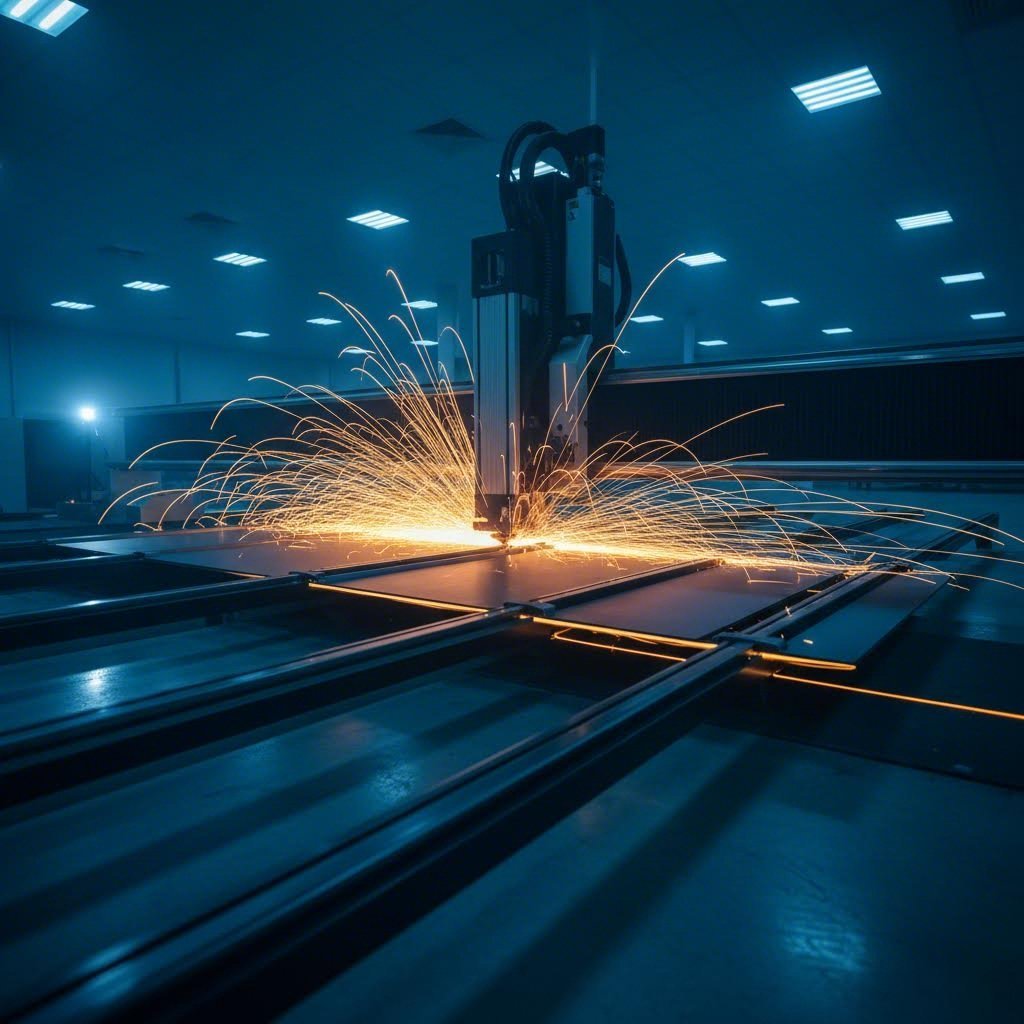
Τι ακριβώς συμβαίνει όταν μια δέσμη φωτός κόβει στέρεο χάλυβα σαν βούτυρο; Η κοπή μετάλλων με λέιζερ αποτελεί μία από τις πιο επαναστατικές εξελίξεις στη σύγχρονη παραγωγή, συνδυάζοντας τεράστια ισχύ με ακριβή ακρίβεια. Αυτή η τεχνολογία έχει επαναστατήσει τον τρόπο με τον οποίο οι βιομηχανίες αντιμετωπίζουν την κατασκευή, από τη δημιουργία περίπλοκων εξαρτημάτων για την αεροδιαστημική μέχρι την παραγωγή αμαξωμάτων αυτοκινήτων σε μεγάλη κλίμακα.
Λοιπόν, τι είναι η κοπή με λέιζερ; Στην ουσία, είναι μια διαδικασία που χρησιμοποιεί ένα λέιζερ υψηλής ισχύος που κατευθύνεται μέσω οπτικών συστημάτων και ελέγχεται από υπολογιστή (CNC) για να κόβει διάφορα υλικά, συμπεριλαμβανομένων των μετάλλων. Η εστιασμένη δέσμη λέιζερ καίει, τήκει ή εξατμίζει το υλικό, ενώ μια φυσητήρα αερίου απομακρύνει τα υπολείμματα, αφήνοντας πίσω μια άκρη υψηλής ποιότητας. Φανταστείτε το σαν να εστιάζετε το φως του ήλιου μέσω ενός μεγεθυντικού φακού — μόνο που εδώ είναι εκθετικά πιο ισχυρό και ακριβώς ελεγχόμενο.
Πώς το εστιασμένο φως μεταμορφώνει την κατασκευή μετάλλων
Φανταστείτε ότι εστιάζετε τεράστια ενέργεια σε ένα σημείο μικρότερο από την άκρη ενός μολυβιού. Ακριβώς αυτό επιτυγχάνει ένα λέιζερ για μηχανή κοπής. Η δέσμη λέιζερ δημιουργείται με τη διέγερση υλικών λέιζερ μέσω ηλεκτρικών εκκενώσεων μέσα σε ένα κλειστό δοχείο. Αυτό το υλικό ενισχύεται μέσω εσωτερικής ανάκλασης μέσω μερικού καθρέφτη, μέχρι που η ενέργειά του διαφεύγει ως ρεύμα συμφασικού, μονοχρωματικού φωτός.
Εδώ γίνεται εντυπωσιακό: στο στενότερό του σημείο, μια δέσμη λέιζερ έχει διάμετρο συνήθως μικρότερη από 0,32 mm (0,0125 ίντσες). Ωστόσο, πλάτη κοπής μέχρι και 0,10 mm (0,004 ίντσες) μπορούν να επιτευχθούν, ανάλογα με το πάχος του υλικού. Αυτή η εκπληκτική ακρίβεια επιτρέπει στους κατασκευαστές να δημιουργούν πολύπλοκες γεωμετρίες που οι παραδοσιακές μέθοδοι κοπής απλώς δεν μπορούν να ανταγωνιστούν.
Η Επιστήμη Πίσω από την Ακριβή Κοπή Μετάλλων
Όταν χρειάζεται να ξεκινήσετε το κόψιμο κάπου που δεν είναι στην άκρη, ενεργοποιείται μια διαδικασία διάτρησης. Ένας λέιζερ υψηλής ισχύος με παλμική λειτουργία διαπερνά το υλικό—χρειαζόμενος περίπου 5-15 δευτερόλεπτα για να κάψει μια λαμαρίνα ανοξείδωτου χάλυβα πάχους 13 mm (0,5 ίντσες). Στη συνέχεια, ο κόφτης μετάλλου με λέιζερ ακολουθεί προγραμματισμένες διαδρομές CNC με εκπληκτική ακρίβεια.
Η ακριβής κοπή με λέιζερ παρέχει ανοχές τόσο μικρές όσο ±0,005 ίντσες (±0,13 mm), καθιστώντας την απαραίτητη για βιομηχανίες όπου έχουν σημασία οι μικρόμετρα—από την παραγωγή ιατρικών συσκευών μέχρι τα δομικά εξαρτήματα αεροδιαστημικών.
Γιατί αυτή η τεχνολογία έχει γίνει απαραίτητη σε όλους τους τομείς της βιομηχανικής παραγωγής; Η απάντηση βρίσκεται στον μοναδικό συνδυασμό πλεονεκτημάτων: ασύγκριτη ακρίβεια, ελάχιστα απόβλητα υλικού και η δυνατότητα να αντιμετωπίζει περίπλοκα σχέδια χωρίς αλλαγές εξοπλισμού. Οι κατασκευαστές αυτοκινήτων βασίζονται σε αυτή για συνεπείς κατασκευές πλαισίων. Οι μηχανικοί αεροδιαστημικής την εμπιστεύονται για δομικά εξαρτήματα όπου οι ανοχές είναι απαραίτητες. Οι εταιρείες ιατρικών συσκευών εξαρτώνται από αυτή για περίπλοκα όργανα που απαιτούν απόλυτη ακρίβεια.
Η τεχνολογία συνεχίζει να εξελίσσεται, με τις ίνες λέιζερ πλέον να παράγουν στενότερες δέσμες που παρέχουν περίπου τέσσερις φορές την αποτελεσματική ισχύ για την ίδια κατανάλωση ενέργειας. Αυτή η πρόοδος έχει κάνει τον ακριβή λέιζερ κοπή γρηγορότερο, πιο αποδοτικό και ικανό να χειρίζεται ανακλαστικά μέταλλα που προηγουμένως δημιουργούσαν σημαντικές προκλήσεις.
Ίνες Λέιζερ Έναντι Συστημάτων CO2 και Nd YAG
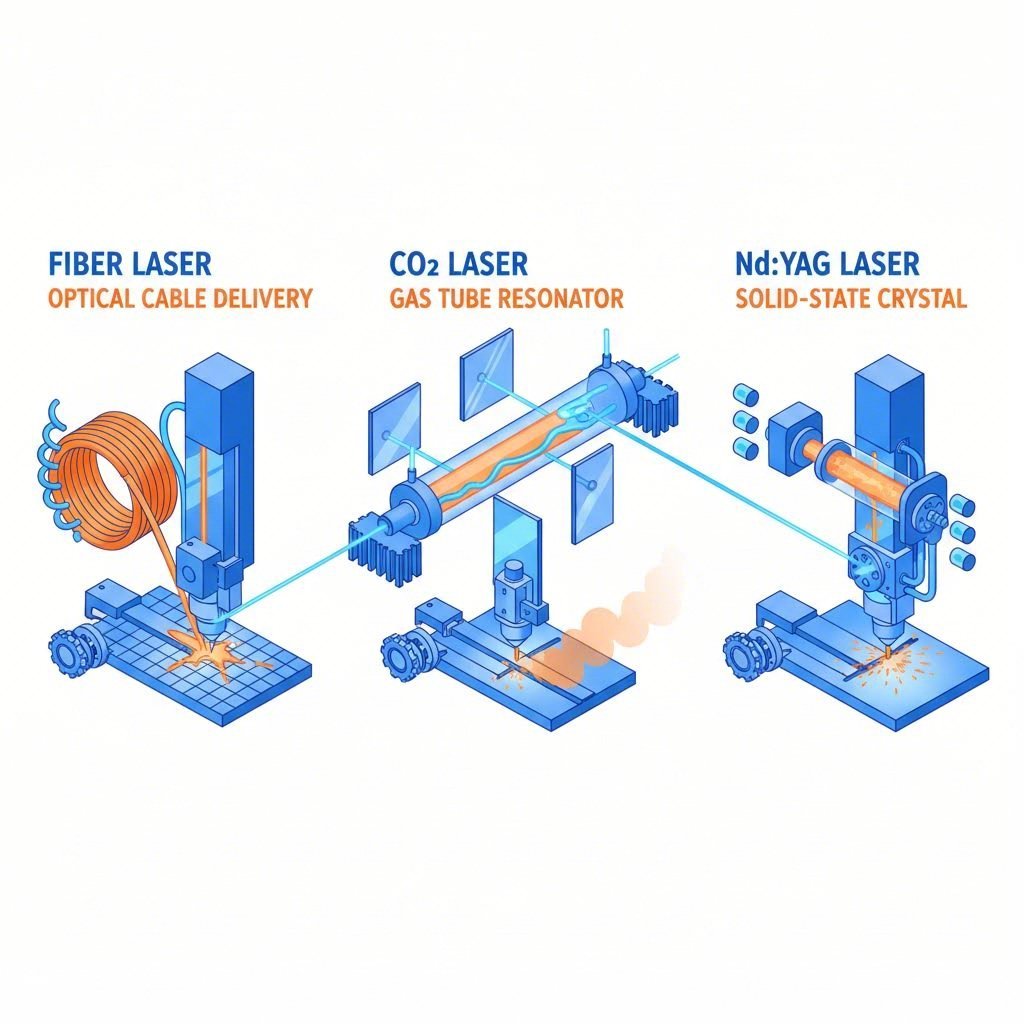
Μήπως αναρωτηθήκατε ποτέ γιατί ο κατασκευαστής μετάλλων σας προτείνει έναν τύπο λέιζερ αντί για κάποιον άλλο; Η απάντηση βρίσκεται στη θεμελιώδη φυσική—και η κατανόηση αυτών των διαφορών μπορεί να σας εξοικονομήσει χιλιάδες ευρώ στο κόστος παραγωγής. Τρεις κύριες τεχνολογίες κυριαρχούν στο κόψιμο μετάλλων με λέιζερ: τα λέιζερ CO2, ίνας και Nd:YAG. Κάθε μία προσφέρει ξεχωριστά πλεονεκτήματα ανάλογα με τα υλικά, το πάχος και τους όγκους παραγωγής.
Εξήγηση της Τεχνολογίας Laser Ινών
Τα λέιζερ ίνας έχουν μεταμορφώσει το τοπίο του κοψίματος μετάλλων, καταλαμβάνοντας το 60% της αγοράς και προσφέροντας ταχύτητες που αφήνουν πίσω τις παλαιότερες τεχνολογίες. Αλλά τι κάνει ένα μηχανή κοπής λαζέρ ίξου τόσο αποτελεσματικό;
Η τεχνολογία λειτουργεί δημιουργώντας φως λέιζερ μέσω οπτικών ινών που περιέχουν σπάνιες γαίες όπως το ιττέρβιο. Αυτή η λύση στερεάς κατάστασης δημιουργεί ένα μήκος κύματος περίπου 1 μικρό (1.064 nm)—σημαντικά μικρότερο από τα λέιζερ CO2. Ιδού γιατί αυτό έχει σημασία: τα μέταλλα απορροφούν αυτό το μικρότερο μήκος κύματος πολύ πιο αποτελεσματικά, πράγμα που σημαίνει ότι περισσότερη ενέργεια κοψίματος φτάνει στο υλικό αντί να ανακλάται.
Ένας κοπτικός εξοπλισμός CNC με οπτική ίνα προσφέρει αρκετά σημαντικά πλεονεκτήματα:
- Εξαιρετική Απόδοση: Οι σύγχρονοι τύποι ινών επιτυγχάνουν έως και 50% απόδοση ωφέλιμης ισχύος σε σύγκριση με μόλις 10-15% για τους CO2 τύπους
- Ανωτερότητα στην επεξεργασία ανακλαστικών μετάλλων: Το αλουμίνιο, ο χαλκός και το μπρούτζο κόβονται καθαρά χωρίς ζημιά από οπίσθια ανάκλαση
- Ελάχιστη συντήρηση: Δεν υπάρχουν κάτοπτρα προς ρύθμιση, δεν υπάρχουν σωλήνες αερίου προς αντικατάσταση — μόνο η αξιοπιστία της στερεάς κατάστασης
- Μικρό μέγεθος: Η μεταφορά μέσω οπτικής ίνας εξαλείφει τις πολύπλοκες απαιτήσεις διαδρομής της δέσμης
Η προσέγγιση CNC με λέιζερ ινών έχει γίνει κυρίαρχη σε εφαρμογές επεξεργασίας ελασμάτων, καθώς παρέχει ρυθμούς παραγωγής που μετασχηματίζουν την οικονομική της παραγωγής. Εγκαταστάσεις αναφέρουν ότι επεξεργάζονται έως και 277 εξαρτήματα την ώρα, σε σύγκριση με 64 εξαρτήματα την ώρα με αντίστοιχους CO2 εξοπλισμούς.
Διαφορές Απόδοσης CO2 Έναντι Ινών
Ενώ τα λέιζερ ινών κυριαρχούν στην κοπή μετάλλων, οι εγκαταστάσεις CO2 δεν έχουν εξαφανιστεί — έχουν βρει το ειδικό τους πεδίο. Η κατανόηση των περιπτώσεων στις οποίες κάθε τεχνολογία ξεχωρίζει σας βοηθά να λαμβάνετε σοφότερες αποφάσεις σχετικά με τον εξοπλισμό και τις υπηρεσίες.
Οι λέιζερ CO2 παράγουν τη δέσμη τους χρησιμοποιώντας ένα μίγμα αερίου που αποτελείται κυρίως από διοξείδιο του άνθρακα, παράγοντας μήκος κύματος 10.600 nm. Αυτό το μεγαλύτερο μήκος κύματος αλληλεπιδρά διαφορετικά με τα υλικά. Τα μη μεταλλικά υλικά, όπως το ξύλο, το ακρυλικό, το δέρμα και τα υφάσματα, το απορροφούν εύκολα, καθιστώντας το CO2 την προτιμώμενη επιλογή για αυτές τις εφαρμογές. Ωστόσο, τα μέταλλα αντανακλούν πιο εύκολα αυτό το μήκος κύματος, μειώνοντας την αποδοτικότητα κοπής.
Τα πλεονεκτήματα του κοπτικού λέιζερ ίνας γίνονται ξεκάθαρα όταν εξετάζουμε τα λειτουργικά κόστη. Το κόστος ενέργειας ανέρχεται περίπου σε 12,73 $ την ώρα για CO2 έναντι 3,50-4,00 $ για αντίστοιχα συστήματα ινών. Το ετήσιο κόστος συντήρησης διηγείται παρόμοια ιστορία: 200-400 $ για ίνα έναντι 1.000-2.000 $ για εξοπλισμό CO2.
Οι λέιζερ Nd:YAG (νεοδύμιο-ενσωματωμένη ρίγανη εξ αλουμινίου γαρδενίου ψυχρού) κατέχουν μια εξειδικευμένη θέση. Αυτά τα συστήματα στερεάς φάσης παρέχουν υψηλή κορυφαία ισχύ για εφαρμογές που απαιτούν βαθιά διείσδυση—σκεφτείτε συγκόλληση, βαθιά χαρακτική και κοπή παχιάς ύλης. Ωστόσο, η χαμηλότερη απόδοση και οι αυξημένες απαιτήσεις συντήρησης περιορίζουν την ευρεία υιοθέτησή τους για γενική κοπή μετάλλων.
| Προδιαγραφή | Λέιζερ ινών | Λέιζερ CO2 | Λέιζερ Nd:YAG |
|---|---|---|---|
| Μήκος κύματος | 1,064 nm | 10.600 nm | 1,064 nm |
| Αποδοτικότητα ενέργειας | 30-50% | 10-15% | 3-10% |
| Συμβατότητα με Μέταλλα | Άριστη (όλα τα μέταλλα, συμπεριλαμβανομένων των ανακλαστικών) | Καλή (μη ανακλαστικά μέταλλα) | Καλή (παχιά μέταλλα) |
| Ταχύτητα Κοπής (Λεπτό Μέταλλο) | 3-5 φορές πιο γρήγορο από το CO2 | Βάση μέτρησης | Πιο αργό από τις ίνες |
| Κόστος λειτουργίας/ώρα | $3.50-4.00 | $12.73 | $15-20+ |
| Ετήσια συντήρηση | $200-400 | $1,000-2,000 | $2,000+ |
| Καλύτερες Εφαρμογές | Λαμαρίνα, ανακλαστικά μέταλλα, παραγωγή υψηλού όγκου | Μη μέταλλα, παχιά πλάκα πάνω από 25 mm | Βαθιά χαρακτική, συγκόλληση, ειδικές εφαρμογές παχιάς πλάκας |
Γιατί τα λέιζερ ίνας έχουν γίνει η κυρίαρχη επιλογή για την κοπή μετάλλων; Οι αριθμοί αποκαλύπτουν την ιστορία. Το συνολικό κόστος ιδιοκτησίας για πεντάχρονο διάστημα δείχνει ότι τα συστήματα CO2 κοστίζουν 1.175.000 $ σε σύγκριση με 655.000 $ για τα συστήματα ίνας—μια διαφορά 520.000 $ που μεταφέρεται απευθείας στα κέρδη σας. Προσθέστε σε αυτό uptime 95-98% έναντι 85-90% για το CO2, και τα πλεονεκτήματα παραγωγικότητας πολλαπλασιάζονται δραματικά.
Ωστόσο, τα λέιζερ CO2 εξακολουθούν να ξεχωρίζουν κατά την κοπή υλικών πάχους άνω των 25 mm, όπου η ποιότητα της ακμής έχει προτεραιότητα έναντι της ταχύτητας. Παραμένουν επίσης ανεπίρριτα για εργαστήρια με μεικτά υλικά που επεξεργάζονται ξύλο, πλαστικά και υφάσματα, μαζί με περιοδικές εργασίες μετάλλου. Το εύρος πάχους 15-25 mm αποτελεί μια μεταβατική ζώνη, όπου οι συγκεκριμένες απαιτήσεις σας για ποιότητα και οι όγκοι παραγωγής πρέπει να καθορίσουν την απόφαση.
Με αυτήν τη βάση στις τεχνολογίες λέιζερ, είστε έτοιμοι να εξερευνήσετε ποια μέταλλα λειτουργούν καλύτερα με κάθε σύστημα—και εκεί ακριβώς η συμβατότητα υλικών γίνεται η επόμενη κρίσιμη παράμετρος.
Τύποι Μετάλλων και Δυνατότητες Πάχους
Ποια μέταλλα μπορείτε πραγματικά να κόψετε—και πόσο παχύ μπορεί να είναι το υλικό; Αυτό το ερώτημα καθορίζει αν το έργο σας θα επιτύχει ή θα σταματήσει. Η κατανόηση της συμβατότητας υλικών δεν είναι απλώς τεχνική γνώση· αποτελεί το θεμέλιο για ακριβείς προσφορές, ρεαλιστικούς χρονοδιαγράμματα και τελικά εξαρτήματα που πληρούν τις προδιαγραφές σας.
Η λέιζερ κοπή μεταλλικών ελασμάτων ποικίλλει σημαντικά ανάλογα με τις ιδιότητες του υλικού. Ο ανθρακούχος χάλυβας συμπεριφέρεται εντελώς διαφορετικά από το αλουμίνιο, ενώ ο χαλκός παρουσιάζει προκλήσεις που ο μαλακός χάλυβας δεν αντιμετωπίζει ποτέ. Ας δούμε τι πρέπει να γνωρίζετε για κάθε μεγάλη κατηγορία μετάλλου.
Δυνατότητες κοπής χάλυβα και ανοξείδωτου χάλυβα
Όταν πρόκειται για λέιζερ κοπή χάλυβα, εργάζεστε με την πιο ευνοϊκή κατηγορία υλικού. Ο ανθρακούχος χάλυβας απορροφά αποτελεσματικά την ενέργεια λέιζερ, δίνοντας καθαρές κοπές με ελάχιστη δυσκολία. Ένα λέιζερ ίνας 3kW αντιμετωπίζει μέχρι και 16 mm ανθρακούχο χάλυβα , ενώ η αναβάθμιση σε 6kW επεκτείνει την εμβέλειά σας στα 22 mm με εξαιρετική ποιότητα ακμής.
Η λέιζερ κοπή ανοξείδωτου χάλυβα απαιτεί ελαφρώς μεγαλύτερη ισχύ λόγω των θερμικών ιδιοτήτων του υλικού. Το περιεχόμενο χρώμιο που κάνει τον ανοξείδωτο ανθεκτικό στη διάβρωση επηρεάζει επίσης τον τρόπο με τον οποίο αντιδρά στη συγκεντρωμένη θερμότητα. Συνήθως απαιτείται περίπου 20% περισσότερη ισχύς σε σύγκριση με αντίστοιχα πάχη από άνθρακα. Ωστόσο, τα αποτελέσματα δικαιολογούν την επιπλέον ενέργεια — η κοπή ανοξείδωτου χάλυβα με λέιζερ παράγει λείες, χωρίς οξείδωση, άκρες όταν χρησιμοποιείται αέριο βοήθειας άζωτο.
Ακολουθεί η αντιστοιχία δυνατοτήτων πάχους για τα συνηθισμένα επίπεδα ισχύος λέιζερ:
- συστήματα 1,5kW: Άνθρακας χάλυβας έως 10 mm, ανοξείδωτος έως 6 mm
- συστήματα 3kW: Άνθρακας χάλυβας έως 16 mm, ανοξείδωτος έως 10 mm
- συστήματα 6kW: Άνθρακας χάλυβας έως 22 mm, ανοξείδωτος έως 16 mm
- συστήματα 12kW+: Άνθρακας χάλυβας έως 40 mm, ανοξείδωτος έως 30 mm
Οι προδιαγραφές ανοχής για λέιζερ κοπής ανοξείδωτου χάλυβα επιτυγχάνουν συνήθως ±0,1 mm για πάχη κάτω από 6 mm, ενώ επεκτείνονται σε ±0,2 mm για βαρύτερες πλάκες. Αυτές οι ανοχές καλύπτουν τις περισσότερες βιομηχανικές εφαρμογές, από δομικά εξαρτήματα μέχρι ακριβείς θήκες.
Θεωρήσεις για το αλουμίνιο και τα ανακλαστικά μέταλλα
Η κοπή αλουμινίου με λέιζερ εισάγει μια πρόκληση που παγιδεύει πολλούς νέους: την ανακλαστικότητα. Η λαμπερή επιφάνεια του αλουμινίου ανακλά την ενέργεια του λέιζερ προς την πηγή αντί να την απορροφήσει για την κοπή. Αυτό δεν είναι απλώς ένα πρόβλημα απόδοσης — η ανακλώμενη ενέργεια του λέιζερ μπορεί να προκαλέσει ζημιά στα οπτικά εξαρτήματα, εάν ο εξοπλισμός δεν είναι κατάλληλα ρυθμισμένος.
Γιατί τα ανακλαστικά μέταλλα συμπεριφέρονται έτσι; Η φυσική έχει να κάνει με την αντίσταση και τη δομή της επιφάνειας. Όσο χαμηλότερη είναι η αντίσταση ενός υλικού, τόσο περισσότερο ανακλά το φως του λέιζερ. Ο χαλκός και το αλουμίνιο βρίσκονται ανάμεσα στους καλύτερους ηλεκτρικούς αγωγούς — κάτι που δυστυχώς τα καθιστά δύσκολα στην κοπή.
Ωστόσο, οι οπτικές ίνες έχουν επιλύσει σε μεγάλο βαθμό αυτό το πρόβλημα. Το μήκος κύματος των 1,07 µm είναι σημαντικά μικρότερο από αυτό των laser CO2 (10,6 µm), κάνοντας ευκολότερη την απορρόφηση από τα μέταλλα αντί για ανάκλαση. Σύγχρονες κεφαλές κοπής με επικαλύψεις αντιανάκλασης παρέχουν επιπλέον προστασία, επιτρέποντας στις εγκαταστάσεις να διεκπεραιώνουν εργασίες λέιζερ κοπής αλουμινίου με ασφάλεια.
Δεν όλες οι κατηγορίες αλουμινίου κόβονται εξίσου. Οι κράματα αλουμινίου σειράς 7 και 8 παρουσιάζουν χαμηλότερη ανακλαστικότητα από το καθαρό αλουμίνιο, κάνοντάς τα ευκολότερα στην επεξεργασία. Κοινά κράματα όπως τα 5052, 6061 και 6063 βρίσκονται στη μέση—είναι εφικτά με τις κατάλληλες παραμέτρους, αλλά απαιτούν προσοχή στις ρυθμίσεις.
Για εφαρμογές λέιζερ κοπής αλουμινίου, αναμένετε τις ακόλουθες δυνατότητες πάχους:
- λέιζερ ινών 3kW: Μέχρι 10mm αλουμίνιο
- λέιζερ ίνας 6 kW: Μέχρι 16mm αλουμίνιο
- 12kW+ ίνας λέιζερ: Μέχρι 25mm+ αλουμίνιο
Το χαλκός και το ορείχαλκος απαιτούν ακόμη μεγαλύτερο σεβασμό. Αυτά τα εξαιρετικά ανακλαστικά μέταλλα απαιτούν λέιζερ ινών με επαρκή ισχύ για να ξεπεραστεί η αρχική ανακλαστικότητα και να θερμανθεί το υλικό γρήγορα στο σημείο τήξης για χαλκό πάχους μεγαλύτερου από 2 mm, απαιτείται αέριο οξυγόνου για να επιτευχθούν καθαρές κοπές μέσω της βοήθειας της οξείδωσης.
| Υλικό | Προτεινόμενος Τύπος Λέιζερ | Τυπικό Μέγιστο Πάχος | Εύρος Ανοχής | Ειδικές εκτιμήσεις |
|---|---|---|---|---|
| Ανθρακούχο χάλυβα | Ίνα ή CO2 | 40 mm (12 kW+) | ±0,1 έως ±0,2 mm | Περισσότερο ανεκτικό· η χρήση οξυγόνου αυξάνει την ταχύτητα |
| Ανοξείδωτο χάλυβα | Ινώδης (προτιμώμενο) ή CO2 | 30 mm (12 kW+) | ±0,1 έως ±0,2 mm | Βοήθεια αζώτου για άκρες ελεύθερες από οξείδωση |
| Αλουμίνιο | Μόνο ίνας | 25mm (12kW+) | ±0,1 έως ±0,25 mm | Υψηλή ανακλαστικότητα· απαιτούνται οπτικά αντι-ανάκλασης |
| Χαλκός | Μόνο ινώδης (προτείνεται 3 kW+) | 12mm (6kW+) | ±0,15 έως ±0,3 mm | Εξαιρετικά ανακλαστικό· απαιτείται οξυγόνο για πάχη μεγαλύτερα από 2 mm |
| Ορείχαλκος | Μόνο ίνας | 10 mm (6 kW+) | ±0,15 έως ±0,3 mm | Παρόμοιο με το χαλκό· το άζωτο παράγει καθαρότερες άκρες |
Όταν επιλέγετε υλικά για το έργο σας, η χρήση τυποποιημένων πάχων μειώνει σημαντικά το κόστος και τους χρόνους παράδοσης. Οι λέιζερ ρυθμίζονται για συνηθισμένα πάχη, κάνοντας αυτά τα υλικά πιο διαθέσιμα και φθηνότερα στην επεξεργασία. Τα προσαρμοσμένα πάχη συχνά απαιτούν ελάχιστες ποσότητες παραγγελίας και επεκτεταμένους χρόνους, που αυξάνουν τον προϋπολογισμό του έργου.
Η κατανόηση αυτών των δυνατοτήτων των υλικών σας βοηθά να καθορίζετε σωστά τα εξαρτήματα· όμως, το να γνωρίζετε τι μπορείτε να κόψετε αποτελεί μόνο το μισό νόημα. Η πραγματική αξία φαίνεται όταν βλέπετε πώς οι διάφορες βιομηχανίες αξιοποιούν αυτές τις δυνατότητες για συγκεκριμένες εφαρμογές.
Βιομηχανικές Εφαρμογές και Περιπτώσεις Χρήσης
Πού ακριβώς κάνει διαφορά η λέιζερ κοπή μετάλλων; Η ευελιξία της τεχνολογίας λάμπει περισσότερο όταν εξετάζουμε πραγματικές εφαρμογές σε διάφορες βιομηχανίες. Από συσκευές που σώζουν ζωές στον ιατρικό τομέα μέχρι τεράστιες αρχιτεκτονικές εγκαταστάσεις, η κατασκευή με λέιζερ έχει γίνει η ραχοκοκαλιά της ακριβούς βιομηχανικής παραγωγής παγκοσμίως.
Η κατανόηση αυτών των εφαρμογών σας βοηθά να προσδιορίσετε πού αυτή η τεχνολογία ταιριάζει με τα έργα σας. Είτε αναζητάτε κομμένα με λέιζερ μέρη για ένα πρωτότυπο είτε σχεδιάζετε παραγωγή υψηλού όγκου, το να γνωρίζετε πώς διάφορες βιομηχανίες αξιοποιούν αυτές τις δυνατότητες σας επιτρέπει να λαμβάνετε καλύτερες αποφάσεις.
Κατασκευή Συστατικών για το Αυτοκινητοβιομηχάνημα και το Αεροδιαστημικό
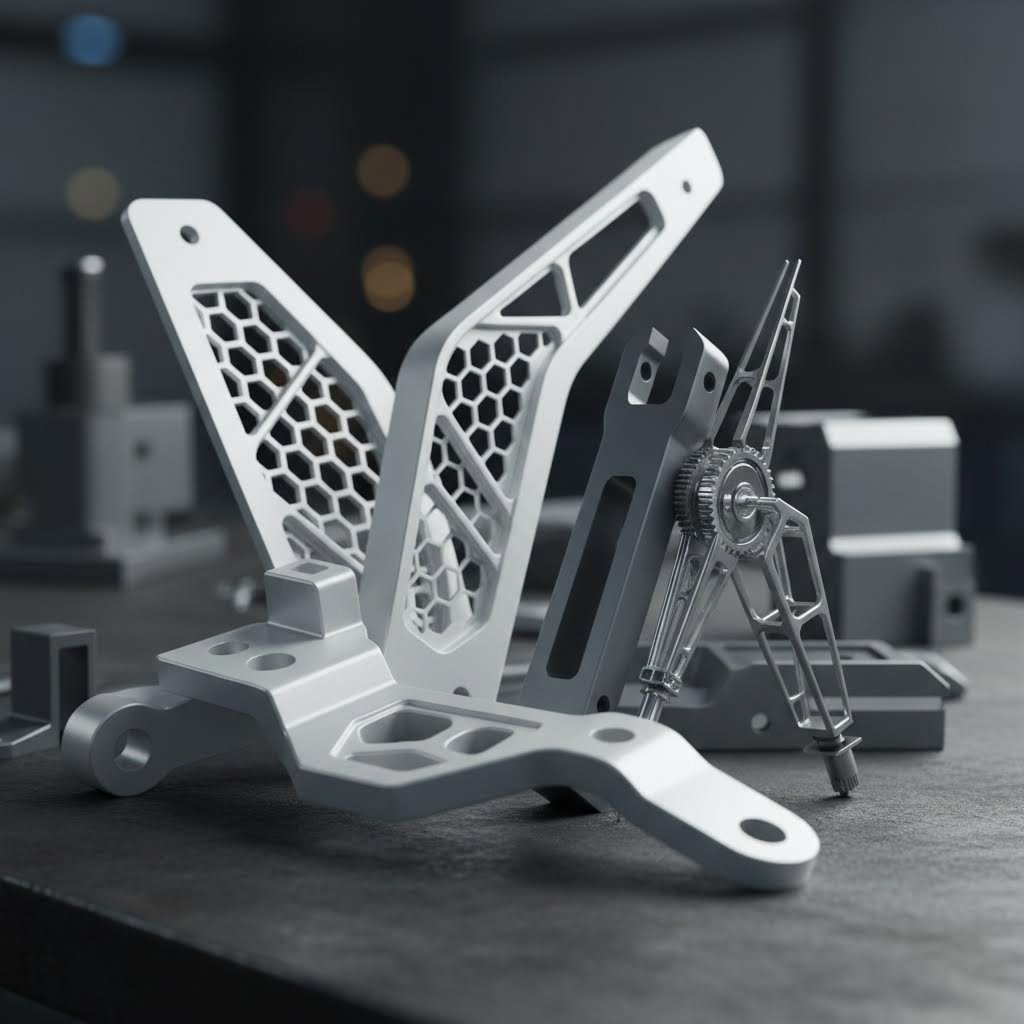
Η αυτοκινητοβιομηχανία βασίζεται σε μεγάλο βαθμό στη μεταλλική κοπή με λέιζερ για εξαρτήματα όπου η ακρίβεια και η συνέπεια είναι απαραίτητες. Πλαίσια, πάνελ σώματος και δομικές ενισχύσεις επωφελούνται όλα από τη δυνατότητα της τεχνολογίας να παράγει πανομοιότυπα εξαρτήματα σε μεγάλη κλίμακα. Όταν κατασκευάζετε χιλιάδες εξαρτήματα που πρέπει να ταιριάζουν τέλεια μεταξύ τους, ανοχές ±0,1 mm γίνονται απαραίτητες αντί για προαιρετικές.
Τι κάνει την κοπή με λέιζερ ιδανική για εφαρμογές στην αυτοκινητοβιομηχανία; Η ταχύτητα και η επαναληψιμότητα. Ένα βιομηχανικό μηχάνημα κοπής με λέιζερ μπορεί να επεξεργαστεί πολύπλοκα περιγράμματα τα οποία θα απαιτούσαν πολλαπλές εργασίες με παραδοσιακά εργαλεία. Αυτό μεταφράζεται σε γρηγορότερους κύκλους παραγωγής και χαμηλότερο κόστος ανά εξάρτημα καθώς αυξάνονται οι ποσότητες.
Η αεροδιαστημική βιομηχανία απαιτεί ακόμη υψηλότερα πρότυπα ακρίβειας. Η ανάγκη για ελαφριά, υψηλής αντοχής υλικά σε αυτόν τον τομέα δεν μπορεί να υπερεκτιμηθεί . Τα εξαρτήματα αεροσκαφών απαιτούν υλικά όπως κράματα τιτανίου και αλουμινίου υψηλής ποιότητας — μέταλλα που αντιδρούν εξαιρετικά καλά στην επεξεργασία με ίνες λέιζερ. Η δομική ακεραιότητα δεν μπορεί να διακυβεύεται, καθιστώντας τις καθαρές, θερμοελεγχόμενες τομές της τεχνολογίας λέιζερ απαραίτητες.
Βασικές εφαρμογές στις αυτοκινητοβιομηχανία και την αεροδιαστημική περιλαμβάνουν:
- Εξαρτήματα Πλαισίου και Κατασκευής: Ακριβείς κοπές δομικών στοιχείων από χάλυβα και αλουμίνιο
- Πάνελ αμαξώματος και στηρίγματα: Σύνθετα περιγράμματα με συνεπή ποιότητα ακμής
- Συστατικά μηχανήματος: Θωράκιση θερμότητας, στηρίγματα στερέωσης και υλικά προσαρμογής
- Δομικά μέρη αεροσκαφών: Εξαρτήματα από κράματα τιτανίου και αλουμινίου που πληρούν αυστηρές ανοχές
- Εσωτερικά κατασκευαστικά: Ελαφριά πάνελ αλουμινίου και διακοσμητικά στοιχεία
Οι υπηρεσίες ακριβούς λέιζερ κοπής έχουν μεταμορφώσει τον τρόπο με τον οποίο αυτές οι βιομηχανίες προσεγγίζουν την πρωτοτυποποίηση και την παραγωγή. Η δυνατότητα μετάβασης από ψηφιακό σχέδιο σε τελικό εξάρτημα χωρίς αλλαγές εργαλείων επιταχύνει δραματικά τους κύκλους ανάπτυξης.
Κατασκευή ιατρικών συσκευών
Όταν η ακρίβεια γίνεται θέμα ασφάλειας του ασθενούς, η μεταλλική κοπή με λέιζερ παρέχει λύση. Η τεχνολογία λέιζερ κοπής επιτρέπει την παραγωγή ιατρικών συσκευών με ανεπανάληπτη ακρίβεια και ακρίβεια—είτε πρόκειται για τη δημιουργία περίπλοκων χειρουργικών εργαλείων είτε για εξατομικευμένα εμφυτεύματα σχεδιασμένα να ταιριάζουν με την ανατομία κάθε ασθενούς.
Η βιομηχανία ιατρικών συσκευών αντιμετωπίζει μοναδικές προκλήσεις που η κοπή με λέιζερ αντιμετωπίζει άμεσα:
- Χειρουργικά Εργαλεία: Ξυραφάκια, λαβίδες και ειδικά εργαλεία που απαιτούν ακμές σαν ραφικό μαχαίρι
- Εμφυτεύσιμες συσκευές: Εξατομικευμένα προσθετικά και ορθοπεδικά εμφυτεύματα προσαρμοσμένα στις προδιαγραφές του ασθενούς
- Στεντς και καθετήρες: Εξαιρετικά λεπτά εξαρτήματα για ελάχιστα επεμβατικές διαδικασίες
- Διαγνωστικός Εξοπλισμός: Ακριβή περιβλήματα και εσωτερικά εξαρτήματα
Η λειζερική κοπή εξασφαλίζει την επεξεργασία στείρων και βιοσυμβατών υλικών που είναι απαραίτητα για ιατρικές εφαρμογές. Ανεξάρτητα από το αν εργάζεστε με ανοξείδωτο χάλυβα χειρουργικής ποιότητας ή εμφυτεύματα τιτανίου, η τεχνολογία διατηρεί την ακεραιότητα του υλικού ενώ επιτυγχάνει τις αυστηρές ανοχές που απαιτούνται σε αυτές τις εφαρμογές. Η διαδικασία κοπής χωρίς επαφή ελαχιστοποιεί τους κινδύνους μόλυνσης — κάτι κρίσιμο για εξαρτήματα που εισέρχονται στο ανθρώπινο σώμα.
Η δυνατότητα γρήγορης δημιουργίας πρωτοτύπων και επαναλήψεων σχεδίων έχει επιταχύνει σημαντικά την ανάπτυξη ιατρικών συσκευών. Οι σχεδιαστές και οι μηχανικοί μπορούν να επαναλαμβάνουν γρήγορα στα σχέδια, να δοκιμάζουν πρωτότυπα και να βελτιώνουν προϊόντα πριν από την τελική παραγωγή, φέρνοντας γρηγορότερα καινοτόμες λύσεις που σώζουν ζωές στην αγορά.
Αρχιτεκτονικές και Διακοσμητικές Εφαρμογές Μετάλλου
Μπείτε σε οποιοδήποτε σύγχρονο κτίριο και είναι πιθανό να συναντήσετε μεταλλικά φύλλα με λειζερική κοπή που έχουν μετατραπεί σε εντυπωσιακά οπτικά στοιχεία. Τα αρχιτεκτονικά μεταλλικά έργα αποτελούν μία από τις πιο ορατές εφαρμογές αυτής της τεχνολογίας — και μία περίπτωση όπου η αισθητική έχει τόση σημασία όσο και η ακρίβεια.
Εξετάστε αυτό το παράδειγμα από την πραγματική ζωή: ένας διακοσμητικός τοίχος οθόνης από ανοξείδωτο χάλυβα, με ύψος 30 πόδια και πλάτος 10 πόδια, βάρους περίπου 20.000 λίβρες. Αυτή η αρχιτεκτονική εγκατάσταση απαιτούσε ανοχές ±0,010 ιντσών σε 6.000 τετραγωνικά πόδια περίτεχνων σχεδίων—προδιαγραφές που μόνο η λέιζερ κοπή θα μπορούσε να επιτύχει με συνέπεια.
Οι αρχιτεκτονικές εφαρμογές αξιοποιούν τις μοναδικές δυνατότητες της τεχνολογίας:
- Διακοσμητικοί οθόνες και διαχωριστικά: Περίτεχνα σχέδια σε ανοξείδωτο χάλυβα και αλουμίνιο
- Πάνελ προσόψεων: Ανθεκτική πρόσοψη σε καιρικές συνθήκες με πολύπλοκες γεωμετρίες
- Κάγκελα και βάθρα: Προσαρμοσμένα σχέδια που συνδυάζουν αισθητική με δομικές απαιτήσεις
- Σημανσία και καθοδήγηση: Γράμματα διαστάσεων και λεπτομερείς γραφικές αναπαραστάσεις
- Εργατικές εγκαταστάσεις: Στοιχεία μεγάλης κλίμακας σκύλασης σε διάφορα μέταλλα
Η ικανότητα της λέιζερ κοπής να κόβει παχιές πλάκες χάλυβα και να παράγει ακριβείς κοπές την καθιστά αναλλοίωτη στην κατασκευή. Η τεχνολογία παρέχει ένα συνδυασμό δομικής αντοχής και αισθητικής ελκυστικότητας που η σύγχρονη αρχιτεκτονική ζητά όλο και περισσότερο.
Ηλεκτρονικά και Βιομηχανικός Εξοπλισμός
Η ηλεκτρονική βιομηχανία ωθεί τις δυνατότητες της λέιζερ κοπής προς μια διαφορετική κατεύθυνση—προς την μικρομεσοποίηση. Η βιομηχανία συνεχώς διευρύνει τα όρια ως προς το πόσο μικρές αλλά αποδοτικές μπορούν να είναι οι συσκευές, βασιζόμενη στη δυνατότητα του βιομηχανικού λέιζερ κόφτη να παράγει εξαρτήματα όπου κλάσματα χιλιοστού καθορίζουν τη λειτουργικότητα.
Η παραγωγή βιομηχανικού εξοπλισμού απαιτεί ευελιξία σε διάφορους τύπους και πάχη υλικών:
- Περιβλήματα και καλύμματα: Ακριβής επεξεργασία λαμαρίνας με σταθερές διαστάσεις
- Πίνακες ελέγχου: Ακριβείς τομές για οθόνες, διακόπτες και συνδετήρες
- Απαγωγείς θερμότητας και διαχείριση θερμότητας: Σύνθετα σχήματα πτερυγίων σε αλουμίνιο και χαλκό
- Προστατευτικά και καλύμματα μηχανημάτων: Εξαρτήματα ασφαλείας που συμμορφώνονται με τις κανονιστικές απαιτήσεις
Τι ενώνει όλες αυτές τις εφαρμογές; Τα σημεία λήψης αποφάσεων παραμένουν σταθερά, ανεξάρτητα από τον κλάδο. Αξιολογείτε τις απαιτήσεις ακριβείας, τη συμβατότητα με τα υλικά, τους όγκους παραγωγής και τους παράγοντες κόστους. Ένα στοιχείο αμαξώματος αυτοκινήτου και ένα ιατρικό εμφύτευμα ενδέχεται να εξυπηρετούν εντελώς διαφορετικούς σκοπούς, αλλά και τα δύο απαιτούν την ίδια βασική προσέγγιση: την αντιστοίχιση των προδιαγραφών του έργου με τις κατάλληλες δυνατότητες κοπής.
Η κατανόηση αυτών των βιομηχανικών εφαρμογών σας τοποθετεί σε θέση να επικοινωνείτε αποτελεσματικά με παρόχους υπηρειών· αλλά πώς συγκρίνονται τα κόστη μεταξύ διαφορετικών τεχνολογιών κοπής; Εκεί ακριβώς τα νούμερα διηγούνται μια πειστική ιστορία.
Σύγκριση κόστους με κοπή πλάσματος και υδροκοπής
Πόσο στοιχίζει πραγματικά η λειτουργία λέιζερ για κοπή μετάλλων σε σύγκριση με εναλλακτικές λύσεις; Αυτή η ερώτηση καθοδηγεί αμέτρητες αποφάσεις στον τομέα της κατασκευής — και η ειλικρινής απάντηση δείχνει γιατί η τεχνολογία λέιζερ κυριαρχεί, παρά τις υψηλότερες αρχικές επενδύσεις. Η κατανόηση της πραγματικής εικόνας του κόστους απαιτεί να εξετάσουμε πέρα από τις τιμές του εξοπλισμού, τα λειτουργικά έξοδα, την ακρίβεια και την παραγωγικότητα.
Όταν ζητάτε προσφορά για κοπή με λέιζερ, δεν συγκρίνετε απλώς δολάρια ανά ίντσα κοπής. Αξιολογείτε τη συνολική οικονομική εικόνα του έργου: Πόση μετεπεξεργασία θα χρειαστεί; Ποιος είναι ο βαθμός απορρίψεως; Μπορείτε να επιτύχετε τις προδιαγραφές ανοχής χωρίς δευτερεύουσες επιχειρήσεις; Αυτοί οι παράγοντες καθορίζουν αν οι υπηρεσίες κοπής μετάλλων προσφέρουν αξία ή εξαντλούν τον προϋπολογισμό.
Εξήγηση των Παραγόντων Κόστους Κοπής με Λέιζερ
Ας αναλύσουμε τι πραγματικά καθορίζει τα τιμολόγια κοπής με λέιζερ. Το ωριαίο λειτουργικό κόστος για συστήματα ινών λέιζερ κυμαίνεται περίπου $3,50-4,00 ανά ώρα για ηλεκτρική ενέργεια και καταναλώσιμα — δραματικά χαμηλότερο από ό,τι περιμένετε. Συγκρίνετε αυτό με τις υπηρεσίες πλάσμα κοπής κοντά μου που διαφημίζουν χαμηλότερες τιμές, αλλά συχνά απαιτούν εκτεταμένες εργασίες ολοκλήρωσης.
Πολλοί βασικοί παράγοντες καθορίζουν το τελικό κόστος του έργου σας:
- Πάχος υλικού: Λεπτά φύλλα (κάτω από 6 mm) επεξεργάζονται γρήγορα· πιο παχιά πλάκα επιβραδύνουν την ταχύτητα κοπής και αυξάνουν το κόστος ανά εξάρτημα
- Σύμπλοκη σχεδίαση: Περίπλοκα σχέδια απαιτούν περισσότερο χρόνο κοπής, αλλά δεν προσθέτουν κόστη εργαλείων
- Απαιτήσεις για την ποιότητα της άκρης: Το αέριο βοήθειας άζωτο παράγει άκρα χωρίς οξείδωση, αλλά κοστίζει περισσότερο από την κοπή με οξυγόνο
- Όγκος: Τα κόστη εγκατάστασης κατανέμονται σε μεγαλύτερες παραγωγές, μειώνοντας σημαντικά την τιμή ανά εξάρτημα
- Τύπος υλικού: Ανακλαστικά μέταλλα όπως ο χαλκός απαιτούν περισσότερη ισχύ και πιο αργές ταχύτητες
Για προσαρμοσμένα έργα κοπής μετάλλων, η λέιζερ τεχνολογία προσφέρει μια κρυφή ανώτερη δυνατότητα: ελάχιστη μετα-επεξεργασία. Η κοπή με λέιζερ παράγει ανοχές ±0,005 ιντσών με λεία ολοκλήρωση ακμών, γεγονός που συχνά εξαλείφει τελείως το ξύσιμο και τη δευτερεύουσα ολοκλήρωση. Όταν οι υπηρεσίες κοπής χάλυβα προσφέρουν χαμηλότερους ρυθμούς κοπής αλλά απαιτούν εκτεταμένη τρίψη μετά, το συνολικό κόστος σας αυξάνεται σημαντικά.
Σύγκριση Τεχνολογιών: Λέιζερ, Πλάσμα και Waterjet
Κάθε τεχνολογία κοπής ξεχωρίζει σε συγκεκριμένα σενάρια. Η κατανόηση αυτών των διαφορών σας βοηθά να ταιριάξετε τις απαιτήσεις του έργου σας με τη βέλτιστη διαδικασία — και να αποφύγετε την υπερπληρωμή για δυνατότητες που δεν χρειάζεστε.
| Παράγοντας | Κοπή λέιζερ | Τομή με πλάσμα | Κοπή με υδατόκρηνα |
|---|---|---|---|
| Ακριβείας | ±0,005 ίντσες (υψηλότερο) | ±0,020 ίντσες (μέτριο) | ±0,010 ίντσες (υψηλό) |
| Εύρος Πάχους Υλικού | 0,5 mm έως 40 mm (βέλτιστο κάτω από 25 mm) | 0,5 mm έως 50 mm+ (βέλτιστο 6-50 mm) | Οποιοδήποτε πάχος έως 200 mm+ |
| Ταχύτητα Κοπής (12 mm χάλυβας) | Γρήγορη (40-60 ίντσες/λεπτό) | Ταχύτερο (100+ ίντσες/λεπτό) | Πιο αργό (5-15 ίντσες/λεπτό) |
| Κόστος λειτουργίας/ώρα | $3.50-4.00 | $2.50-3.50 | 15-25 $ (κόστος λειαντικών) |
| Επενδυτικό Αποσαρματισμός | $150,000-500,000+ | $50,000-150,000 | $100,000-400,000 |
| Θερμικά επηρεασμένη ζώνη | Ελάχιστο (0,1-0,3 mm) | Σημαντικό (1-3 mm) | Καμία (κρύα κοπή) |
| Υλική Πολυδιάστατη | Μόνο μέταλλα (αγώγιμα και μη αγώγιμα) | Μόνο αγώγιμα μέταλλα | Οποιοδήποτε υλικό (μέταλλα, πέτρα, γυαλί, σύνθετα υλικά) |
| Καλύτερες Εφαρμογές | Ακριβή εξαρτήματα, λεπτά-μεσαία λαμαρίνα, πολύπλοκα σχέδια | Παχιά πλάκα, χαλύβδινες κατασκευές υψηλής παραγωγής, έργα που απαιτούν μεγάλη ταχύτητα | Υλικά ευαίσθητα στη θερμότητα, παχιές πλάκες, εργαστήρια με μεικτά υλικά |
Πότε έχουν νόημα εναλλακτικές μέθοδοι κοπής
Αυτό που δεν θα σας πουν οι ανταγωνιστές: η λέιζερ κοπή δεν είναι πάντα η σωστή επιλογή. Το να είστε ειλικρινείς για τους περιορισμούς σας βοηθά να παίρνετε καλύτερες αποφάσεις.
Η κοπή με πλάσμα κερδίζει όταν:
- Επεξεργάζεστε πλάκες χάλυβα πάχους 12mm έως 50mm όπου η ταχύτητα έχει μεγαλύτερη σημασία από την τελειότητα της ακμής
- Οι περιορισμοί του προϋπολογισμού καθιστούν καθοριστική τη χαμηλότερη επένδυση σε εξοπλισμό
- Οι δομικές εφαρμογές ανέχονται ευρύτερα ανοχές και μικρές εργασίες ολοκλήρωσης
- Η παραγωγή μεγάλων όγκων απλών σχημάτων δικαιολογεί τις συμβιβαστικές λύσεις
Η υδροδιάβρωση κερδίζει όταν:
- Δεν πρέπει να υπάρχουν ζώνες θερμικής επίδρασης—σκεφτείτε το τιτάνιο αεροναυπηγικής ή τους επιβεβαιωμένους εργαλειοχάλυβες
- Κόβετε εξαιρετικά παχιά υλικά (50mm+) όπου τα λέιζερ χάνουν απόδοση
- Μη μεταλλικά υλικά όπως πέτρα, γυαλί ή σύνθετα υλικά εισέρχονται στο μείγμα προϊόντων σας
- Οι ιδιότητες του υλικού δεν πρέπει να αλλάζουν κατά την κοπή (χωρίς θερμική τάση)
Η ζώνη θερμικής επίδρασης (HAZ) αξίζει ιδιαίτερης προσοχής. Η περιοχή μεταξύ του τηγμένου τμήματος και του ανέπαφου βασικού μετάλλου υφίσταται χημικές και δομικές τροποποιήσεις — οξείδωση, τοπική εμπύρωση και σε ορισμένες περιπτώσεις, ευαισθησία σε διάβρωση. Η λέιζερ κοπή παράγει τη μικρότερη HAZ ανάμεσα στις θερμικές διεργασίες (0,1-0,3 mm), αλλά η κοπή με υδροψίδα την εξαλείφει εντελώς, κόβοντας ψυχρά.
Για επόμενες επιχειρήσεις διαμόρφωσης, η HAZ έχει μεγάλη σημασία. Κατά τη διαμόρφωση, η HAZ μπορεί να καθιστά δύσκολο τον έλεγχο των γωνιών κάμψης, επειδή γίνεται αδύνατο να προβλεφθεί πώς θα συμπεριφερθεί το μέταλλο μετά από κοπή με υψηλή θερμότητα. Αν τα εξαρτήματά σας απαιτούν ακριβείς καμπτικές γωνίες μετά την κοπή, λάβετε υπόψη αυτό κατά την επιλογή της διαδικασίας.
Πλαίσιο ROI για Εξοπλισμό έναντι Υπηρεσιών
Πρέπει να επενδύσετε σε εξοπλισμό ή να αναθέσετε σε υπηρεσίες κοπής μετάλλων; Η απάντηση εξαρτάται από την πραγματικότητα της παραγωγής σας:
Εξετάστε τον εξοπλισμό εσωτερικής χρήσης όταν:
- Ο ετήσιος όγκος κοπής υπερβαίνει τα 150.000-200.000 $ σε εξωτερικά έξοδα
- Ο έλεγχος χρόνου παράδοσης παρέχει ανταγωνιστικό πλεονέκτημα
- Ιδιόκτητα σχέδια απαιτούν εμπιστευτικότητα
- Διαθέτετε εξειδικευμένους χειριστές ή μπορείτε να επενδύσετε σε εκπαίδευση
Αναθέστε σε υπηρεσίες όταν:
- Ο όγκος δεν δικαιολογεί την επένδυση σε κεφαλαιουχικό εξοπλισμό
- Χρειάζεστε πρόσβαση σε πολλαπλές τεχνολογίες χωρίς να κατέχετε την κάθε μία
- Οι απαιτήσεις χωρητικότητας μεταβάλλονται σημαντικά
- Ειδικά υλικά απαιτούν εξοπλισμό που διαφορετικά θα χρησιμοποιούσατε σπάνια
Ο υπολογισμός του συνολικού κόστους ξεπερνά την απλή κοπή. Μέθοδοι που δεν περιλαμβάνουν διάτρηση μπορούν να επιτύχουν υψηλή απόδοση τοποθέτησης, ελαχιστοποιώντας τα απόβλητα υλικού, ειδικά για περίπλοκα εξαρτήματα. Όταν το κόστος υλικού αντιπροσωπεύει το 40-60% του συνολικού κόστους του έργου, η διαφορά μεταξύ 75% και 90% αξιοποίησης υλικού μεταφράζεται απευθείας σε κερδοφορία.
Η κατανόηση αυτών των δυναμικών κόστους σας τοποθετεί σε θέση να διαπραγματευτείτε αποτελεσματικά με παρόχους υπηρεσιών και να λάβετε ενημερωμένες αποφάσεις για εξοπλισμό. Αλλά πριν δεσμεύσετε πόρους, θα θέλατε να κατανοήσετε την υποδομή ασφαλείας που απαιτείται από επαγγελματικές λειτουργίες — ένα συχνά παραμελημένο στοιχείο που διαχωρίζει τους αξιόπιστους παρόχους από τις επικίνδυνες εναλλακτικές.
Πρωτόκολλα ασφαλείας και επιχειρησιακές απαιτήσεις
Τι συμβαίνει όταν ένας λέιζερ με δύναμη αρκετή για να κόψει χάλυβα λειτουργεί χωρίς τα κατάλληλα μέτρα ασφαλείας; Οι συνέπειες περιλαμβάνουν μόνιμη βλάβη στην όραση έως και πυρκαγιές στον χώρο εργασίας—κινδύνους που αξιόλογες βιομηχανικές εγκαταστάσεις κοπής με λέιζερ επενδύουν σημαντικά για να αποτρέψουν. Η κατανόηση αυτών των απαιτήσεων ασφαλείας σας βοηθά να αξιολογήσετε παρόχους υπηρεσιών και να προστατεύσετε όποιον εργάζεται κοντά σε αυτή την τεχνολογία.
Η πλειονότητα των εγκαταστάσεων χρησιμοποιεί λέιζερ Κλάσης-4 για την κοπή μετάλλων—την υψηλότερη κατηγορία κινδύνου. Αυτοί οι λέιζερ έχουν αρκετή ισχύ να προκαλέσουν βλάβη στα μάτια, είτε απευθείας είτε έμμεσα, και μπορούν ενδεχομένως να προκαλέσουν βλάβη στο δέρμα ή πυρκαγιά. Ωστόσο, κατάλληλοι μηχανικοί έλεγχοι και πρωτόκολλα μετατρέπουν αυτά τα ισχυρά εργαλεία σε ασφαλώς περιορισμένα συστήματα.
Απαραίτητος Εξοπλισμός και Πρωτόκολλα Ασφαλείας
Όταν αξιολογείτε μια εμπορική εγκατάσταση κοπής με λέιζερ ή σκέφτεστε εξοπλισμό εντός της επιχείρησης, συγκεκριμένη υποδομή ασφαλείας διαχωρίζει τις επαγγελματικές εγκαταστάσεις από επικίνδυνες συντομεύσεις.
Οι κρίσιμες απαιτήσεις ασφαλείας περιλαμβάνουν:
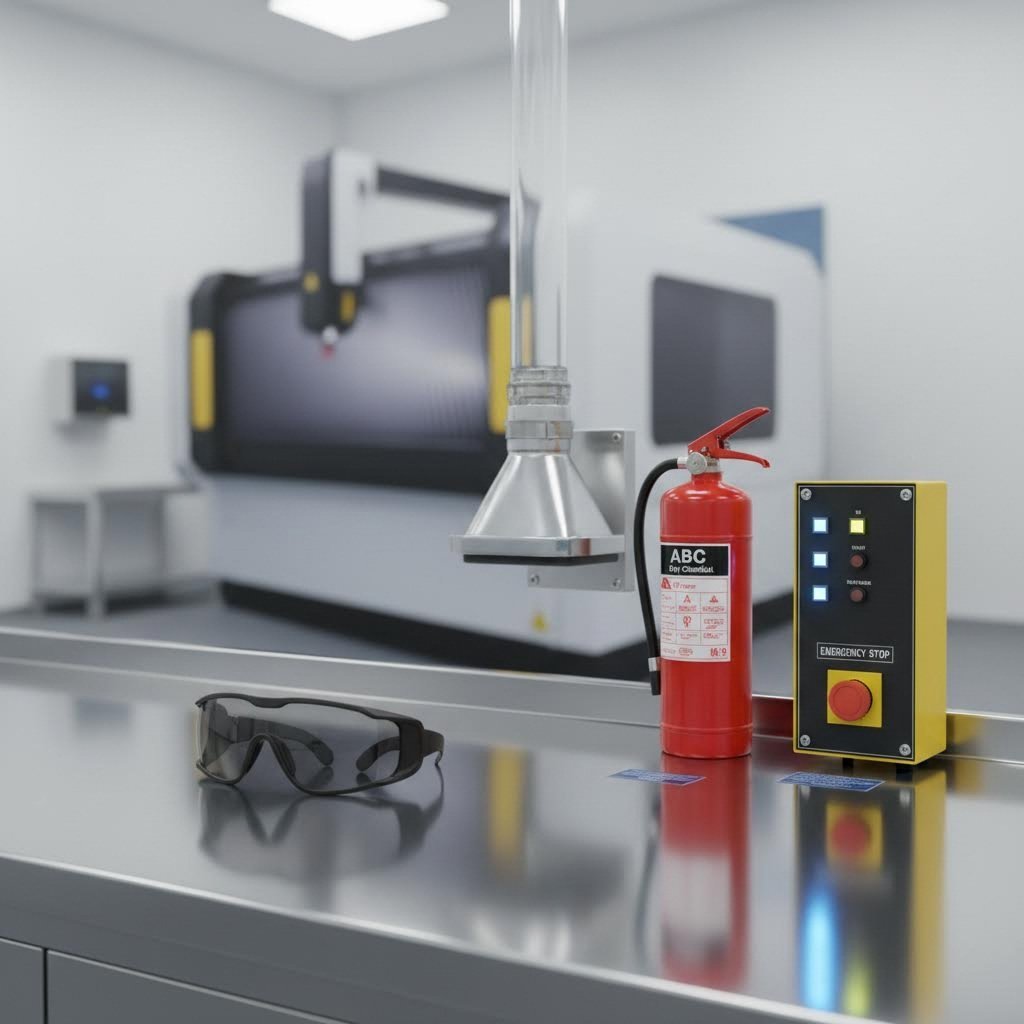
- Προστασία Οφθαλμών: Προστατευτικά γυαλιά ασφαλείας για λέιζερ, ταιριαστά στο συγκεκριμένο μήκος κύματος και με οπτική πυκνότητα (OD) επαρκή για την ενέργεια που εμπλέκεται, είναι υποχρεωτικά για όλους όσους βρίσκονται στην περιοχή κοπής
- Ενδεδειγμένες ασφαλείς: Το λέιζερ δεν θα ενεργοποιηθεί όταν το κάλυμμα είναι ανοιχτό—η παράκαμψη αυτών των ασφαλιστικών διακοπτών εκθέτει τους χειριστές σε επικίνδυνη ακτινοβολία λέιζερ Κλάσης-3B ή Κλάσης-4
- Πυροσβεστήρες: Οι πυροσβεστήρες CO2 πρέπει να είναι σαφώς τοποθετημένοι εύκολα προσβάσιμοι δίπλα στον κόφτη λέιζερ, με απρόσκοπτη πρόσβαση ανά πάσα στιγμή
- Μη εύφλεκτες επιφάνειες τοποθέτησης: Ο εξοπλισμός πρέπει να τοποθετείται σε επιφάνειες από σκυρόδεμα ή χάλυβα—ποτέ σε ξύλινες επιφάνειες που θα μπορούσαν να διαδώσουν φωτιά
- Εκπαίδευση Λειτουργού: Εκτενής εκπαίδευση που καλύπτει γενικούς κινδύνους, συγκεκριμένες διαδικασίες μηχανήματος και πρωτόκολλα αντιμετώπισης εκτάκτων αναγκών
- Αρχεία λειτουργίας: Τεκμηρίωση που καταγράφει τα επεξεργασμένα υλικά, τις ώρες λειτουργίας και τα προγράμματα συντήρησης
Δεν πρέπει ποτέ ένας χειριστής να αφήνει έναν κόφτη λέιζερ χωρίς επίβλεψη ενώ λειτουργεί, λόγω του κινδύνου ανάφλεξης. Η φωτιά μπορεί να εμφανιστεί οποιαδήποτε στιγμή κατά τη διάρκεια της λειτουργίας—η άμεση αντίδραση σβήνει τις φλόγες πριν εξαπλωθούν
Απαιτήσεις Αερισμού και Απαγωγής Καπνών
Ο αόρατος κίνδυνος από τις εγκαταστάσεις λέιζερ και λέιζερ CNC προκαλεί συχνά μεγαλύτερη μακροπρόθεσμη βλάβη από ό,τι οι ορατοί κίνδυνοι. Όταν τα λέιζερ εξατμίζουν μέταλλο, δημιουργούν αέριους ρύπους που απαιτούν σοβαρή προσοχή.
Η έκθεση στους καπνούς λέιζερ μπορεί να οδηγήσει σε διάφορα προβλήματα υγείας, από ήπια αναπνευστικά προβλήματα μέχρι σοβαρές χρόνιες παθήσεις όπως βρογχίτιδα, άσθμα και χρόνιες αναπνευστικές διαταραχές. Εκτός από τις αναπνευστικές επιπτώσεις, οι εργαζόμενοι μπορεί να αντιμετωπίσουν ερεθισμό του δέρματος, ερεθισμό των ματιών, ναυτία και ζάλη, εάν δεν υπάρχουν κατάλληλα συστήματα απαγωγής.
Αποτελεσματικά συστήματα απαγωγής καπνών περιλαμβάνουν:
- Κάλυμμα απαγωγής: Τοποθετημένα ακριβώς πάνω από τους χώρους εργασίας με υψηλή απόδοση CFM για τη σύλληψη των καπνών στην πηγή
- Φίλτρα HEPA: Σύλληψη επιβλαβών σωματιδίων με απόδοση 99,97%
- Φίλτρα ενεργού άνθρακα: Αφαίρεση πάνω από 90% των συγκεκριμένων πτητικών οργανικών ενώσεων (VOCs)
- Κατάλληλη ταχύτητα ροής αέρα: Διατήρηση 100 έως 150 ποδιών ανά λεπτό στο πρόσωπο του εξαερισμού
- Κανονική Εξυπηρέτηση: Προ-φίλτρα υπό καθαρισμό μηνιαίως· τα φίλτρα HEPA και άνθρακα αντικαθίστανται κάθε δυο μήνες έως ένα χρόνο, ανάλογα με τη χρήση
Η συμμόρφωση με τις ρυθμιστικές απαιτήσεις έχει μεγάλη σημασία. Πρέπει να εγκατασταθεί επαρκής εξαερισμός για τη μείωση των τοξικών ή ενδεχομένως επικίνδυνων αναθυμιάσεων και ατμών σε επίπεδα κάτω από Τα επιτρεπόμενα όρια έκθεσης της OSHA . Εγκαταστάσεις που κόβουν συγκεκριμένα υλικά αντιμετωπίζουν επιπλέον περιορισμούς — το πλαστικό PVC, για παράδειγμα, εκλύει αέριο υδροχλωρικού χλωρίου που σχηματίζει υδροχλωρικό οξύ όταν έρθει σε επαφή με την υγρασία στα μάτια ή στους πνεύμονες.
Γιατί οι αξιόπιστοι πάροχοι υπηρεσιών λέιζερ CNC επενδύουν σημαντικά στην υποδομή ασφαλείας; Πέρα από την προστασία των εργαζομένων, τα κατάλληλα συστήματα ασφαλείας διασφαλίζουν σταθερή διαθεσιμότητα, συμμόρφωση με τη νομοθεσία και την επαγγελματική λειτουργία που περιμένουν οι πελάτες που ενδιαφέρονται για την ποιότητα. Όταν αξιολογείτε παρόχους, ρωτήστε για τα συστήματα απορρόφησης, τα προγράμματα εκπαίδευσης των χειριστών και τα πρωτόκολλα συντήρησης — αυτές οι λεπτομέρειες αποκαλύπτουν αν μια εγκατάσταση δίνει προτεραιότητα στη μακροπρόθεσμη ποιότητα αντί για τη μείωση εξόδων βραχυπρόθεσμα.
Με τα βασικά στοιχεία της ασφάλειας κατανοητά, είστε έτοιμοι να λάβετε ενημερωμένες αποφάσεις σχετικά με το αν θα επενδύσετε σε εξοπλισμό ή θα συνεργαστείτε με παρόχους υπηρεσιών — μια επιλογή που εξαρτάται σε μεγάλο βαθμό από τις συγκεκριμένες απαιτήσεις παραγωγής και τις προβλέψεις όγκου.
Επιλογή Μεταξύ Εξοπλισμού και Υπηρεσιών
Θα πρέπει να επενδύσετε από 200.000 έως 1.500.000 δολάρια ΗΠΑ σε εξοπλισμό λέιζερ ή να συνεργαστείτε με ειδικούς που έχουν ήδη κάνει αυτή την επένδυση; Αυτή η απόφαση καθορίζει τη στρατηγική παραγωγής σας για τα επόμενα χρόνια. Η απάντηση δεν είναι καθολική· εξαρτάται αποκλειστικά από την πραγματικότητα της παραγωγής σας, τις απαιτήσεις ποιότητας και τους μακροπρόθεσμους επιχειρηματικούς στόχους σας.
Πολλοί κατασκευαστές υποθέτουν ότι η κατοχή εξοπλισμού βγαίνει πάντα λογικά. Η αλήθεια; Εάν οι περισσότερες από τις εργασίες σας δεν απαιτούν την υψηλή ακρίβεια του κοπής με λέιζερ, τότε η εξωτερική ανάθεση της εργασίας σας είναι πιθανό να σας εξυπηρετεί καλύτερα. Αλλά αν η ταχύτητα, η ευελιξία και η εξαιρετική ακρίβεια καθορίζουν το ανταγωνιστικό σας πλεονέκτημα, τότε ο εξοπλισμός εντός της επιχείρησης γίνεται στρατηγικό περιουσιακό στοιχείο και όχι απλώς μια κεφαλαιουχική δαπάνη.
Αξιολόγηση των Απαιτήσεων Όγκου Παραγωγής
Πόση κοπή χρειάζεστε πραγματικά; Αυτή η ερώτηση καθορίζει εάν η επένδυση σε εξοπλισμό βγαίνει οικονομικά. Μια διεξοδική ανάλυση κόστους-οφέλους αποκαλύπτει το σημείο εξισορρόπησης στο οποίο η κατοχή ξεπερνά την εξωτερική ανάθεση.
Κατά τη διεξαγωγή αυτής της αξιολόγησης, λάβετε υπόψη τους εξής παράγοντες απόφασης:
- Ετήσιος όγκος κοπής: Αν το κόστος εξωτερικής εκτέλεσης υπερβαίνει τις 150.000-200.000 δολάρια ετησίως, η επένδυση σε εξοπλισμό αξίζει να εξεταστεί σοβαρά
- Συνέπεια Παραγωγής: Σταθερή, προβλέψιμη ζήτηση δικαιολογεί τον επενδυτικό εξοπλισμό· ενδιάμεσες ανάγκες ευνοούν ευέλικτες σχέσεις παροχής υπηρεσιών
- Πολυπλοκότητα Μερών: Εξαρτήματα με στενά όρια ανοχής που απαιτούν εκτεταμένο έλεγχο ποιότητας επωφελούνται από εποπτεία εντός της επιχείρησης
- Απαιτήσεις χρόνου αντίδρασης: Όταν ο έλεγχος των χρόνων παράδοσης παρέχει ανταγωνιστικό πλεονέκτημα, η κατοχή εξοπλισμού εξαλείφει τις εξωτερικές εξαρτήσεις ωρολογιακού προγραμματισμού
- Προϋπολογιστικοί περιορισμοί: Πέραν του κόστους του εξοπλισμού, λάβετε υπόψη την εκπαίδευση των χειριστών, τη συντήρηση, τις τροποποιήσεις στις εγκαταστάσεις και τα αναλώσιμα
Επιχειρήσεις που κατασκευάζουν εξαρτήματα με στενά όρια ανοχής ή εκτελούν εργασίες που απαιτούν πολύπλοκη κοπή μπορεί να διαπιστώσουν ότι η αγορά ενός λέιζερ κοπής αξίζει πραγματικά. Η διαθεσιμότητα εξοπλισμού στο χώρο επιτρέπει καλύτερο έλεγχο ποιότητας και εξαλείφει ένα συχνά παραμελημένο κόστος—τη διόρθωση λαθών που έχουν γίνει από εξωτερικούς παρόχους οι οποίοι δεν κατανοούν τις προδιαγραφές σας τόσο ενδελεχώς όσο η δική σας ομάδα.
Εξετάστε τα έμμεσα κόστη της εξωτερικής αποστολής: χρόνος αποστολής, καθυστερήσεις στην επικοινωνία και η αδυναμία να γίνονται γρήγορες προσαρμογές όταν οι σχεδιασμοί εξελίσσονται εν μέσω έργου. Αντίθετα, η ιδιοκτησία εξοπλισμού εισάγει κόστη εργασίας, προγράμματα συντήρησης και την ευθύνη για επισκευές. Αυτά τα κόστη σχετίζονται με το χρόνο, όπως οι ώρες που οι τεχνικοί σας ξοδεύουν για την επισκευή και συντήρηση του εξοπλισμού — ώρες που διαφορετικά θα μπορούσαν να παράγουν έσοδα.
Το πλεονέκτημα της αυτοματοποίησης αξίζει να τονιστεί εδώ. Πολλά συστήματα λέιζερ απαιτούν εκπληκτικά λίγο εργατικό δυναμικό. Ενώ ένας έμπειρος χειριστής μηχανήματος εξακολουθεί να διαδραματίζει ρόλο στην τελική ποιότητα και ταχύτητα κοπής, υπάρχει ελάχιστη ανάγκη για χειρωνακτική εργασία, με αποτέλεσμα χαμηλότερα κόστη εργασίας σε σύγκριση με τις παραδοσιακές μεθόδους κατασκευής.
Κριτήρια Επιλογής Παρόχου Υπηρεσιών
Όταν η εξωτερική ανάθεση είναι λογική επιλογή, η επιλογή του σωστού συνεργάτη γίνεται κρίσιμη. Δεν όλες οι υπηρεσίες λέιζερ κοπής κοντά μου παρέχουν ισοδύναμα αποτελέσματα· η διαφορά μεταξύ παρόχων μπορεί να σημαίνει τη διαφορά μεταξύ επιτυχημένων έργων και δαπανηρών αποτυχιών.
Πριν δημιουργήσετε μια συνεργασία, αξιολογήστε αυτά τα βασικά κριτήρια:
- Δυνατότητες υλικών: Μπορούν να επεξεργαστούν τα συγκεκριμένα υλικά και πάχη που χρειάζεστε; Οι περισσότεροι πάροχοι υπηρεσιών λέιζερ κοπής μετάλλων μπορούν εύκολα να κατασκευάσουν συνηθισμένα ελάσματα όπως ανοξείδωτο χάλυβα, αλλά το μηχάνημα λέιζερ τους ίσως να μην είναι σε θέση να δημιουργήσει εξαρτήματα από πιο δύσκολα υλικά όπως το αλουμίνιο υψηλής ανακλαστικότητας
- Τεχνολογία εξοπλισμού: Ποιους τύπους λέιζερ χρησιμοποιούν; Τα λέιζερ ινών είναι ανώτερα για τα μέταλλα· η κατανόηση των δυνατοτήτων τους αποτρέπει τις εσφαλμένες προσδοκίες
- Χρόνοι ολοκλήρωσης: Ρωτήστε συγκεκριμένα πόσο διαρκούν τα έργα από τη λήψη του σχεδιασμού μέχρι την αποστολή· οι αξιόπιστοι πάροχοι δίνουν ξεκάθαρους χρονοδιαγράμματα εξαρχής
- Πιστοποιήσεις και Συστήματα Ποιότητας: Πιστοποιήσεις ISO, εξειδικευμένα προσόντα για τον κλάδο (όπως το IATF 16949 για την αυτοκινητοβιομηχανία) και τεκμηριωμένες διαδικασίες ποιότητας υποδεικνύουν επαγγελματική λειτουργία
- Εμπειρία και μαρτυρίες: Ζητήστε μαρτυρίες από άλλους πελάτες, καθώς επίσης πληροφορίες σχετικά με τις δυνατότητες κοπής μετάλλων με λέιζερ και την τεχνολογία που υποστηρίζει τις υπηρεσίες του πάροχου σας
- Πρόσθετες υπηρεσίες: Μπορούν να αναλάβουν δευτερεύουσες εργασίες όπως επικάλυψη με σκόνη, διαμόρφωση μετάλλων ή γραβίρισμα με λέιζερ; Ο συγκεντρωμένος τρόπος παροχής υπηρεσιών απλοποιεί την αλυσίδα εφοδιασμού σας
Όταν αναζητάτε μια υπηρεσία κοπής με λέιζερ κοντά μου, η διαφάνεια όσον αφορά τις τιμές έχει μεγάλη σημασία. Να είστε προσεκτικοί με παρόχους που προσφέρουν κίνητρα, όπως χαμηλή άμεση τιμή, αλλά δεν είναι σαφείς για το ακριβές κόστος των συγκεκριμένων έργων σας. Οι τιμές διαφέρουν ανάλογα με τον τύπο υλικού, την ποσότητα μονάδων και την πολυπλοκότητα του σχεδιασμού· οι αξιόπιστοι πάροχοι λαμβάνουν υπόψη όλες τις μεταβλητές πριν δώσουν τελικές προσφορές.
Το ερώτημα της τεχνολογίας αξίζει βαθύτερης διερεύνησης. Διαφορετικές διαδικασίες—ινώδης λέιζερ, λέιζερ CO2, πλάσμα, υδροβόλο—παράγουν διαφορετικά αποτελέσματα σε διαφορετικά επίπεδα τιμών. Είναι κρίσιμο να ρωτήσετε τον πάροχο κοπής μετάλλου ποιο μηχάνημα λέιζερ χρησιμοποιεί για τους πελάτες του, καθώς και οποιαδήποτε άλλη τεχνολογία, εργαλεία ή πόρους που εξασφαλίζουν ένα εξαιρετικό τελικό προϊόν.
Πλαίσιο Καθοδήγησης Επιλογής Υλικού
Η αντιστοίχιση των απαιτήσεων του έργου με τις κατάλληλες προσεγγίσεις απαιτεί κατανόηση του τρόπου με τον οποίο οι επιλογές υλικού επηρεάζουν τόσο την επιλογή διαδικασίας όσο και τις δυνατότητες του παρόχου.
Ξεκινήστε απαντώντας αυτές τις ερωτήσεις:
- Ποιο υλικό θα κόψετε; Τυποποιημένα υλικά όπως οπλισμένος χάλυβας και ανοξείδωτος χάλυβας λειτουργούν με σχεδόν οποιονδήποτε πάροχο υπηρεσιών λέιζερ κοπής μετάλλου· εξειδικευμένα κράματα ή ιδιαίτερα ανακλαστικά μέταλλα περιορίζουν τις επιλογές σας
- Ποιο εύρος πάχους; Επιβεβαιώστε ότι ο πάροχός σας διαθέτει εξοπλισμό που καλύπτει τις απαιτήσεις σας—ιδιαίτερα για παχιές πλάκες ή εξαιρετικά λεπτά υλικά
- Ποιες ανοχές έχουν σημασία; Οι απαιτήσεις ακριβείας καθορίζουν εάν η ινολέιζερ (μικρότερα ανοχές) ή η πλάσμα (αποδεκτή για δομικές εργασίες) ταιριάζει καλύτερα
- Ποια ποιότητα άκρων χρειάζεστε; Οι αισθητικές εφαρμογές απαιτούν κοπή με βοήθεια αζώτου για άκρα χωρίς οξείδωση· οι δομικές κατασκευές ανέχονται επιφάνειες κομμένες με οξυγόνο
- Ποιος είναι ο χρόνος παράδοσης παραγωγής σας; υπηρεσίες cnc λέιζερ κοπής με δυνατότητες αυτοματοποίησης παρέχουν ταχύτερη παράδοση για παραγγελίες μεγάλου όγκου
Η χρήση τυποποιημένων πάχων υλικού μειώνει σημαντικά το κόστος και τους χρόνους παράδοσης. Οι πάροχοι διαθέτουν αποθέματα συνήθη πάχη· τα προσαρμοσμένα πάχη συχνά απαιτούν ελάχιστες ποσότητες παραγγελίας και επεκτεταμένη προμήθεια. Όπου είναι δυνατό, σχεδιάστε με βάση τις τυποποιημένες προδιαγραφές αντί να αναγκάζετε τους παρόχους να αναζητούν ειδικά υλικά
Είτε επιλέξετε επένδυση σε εξοπλισμό είτε συνεργασίες μέσω υπηρεσιών, η επιτυχία εξαρτάται από την ευθυγράμμιση των δυνατοτήτων με τις απαιτήσεις. Το επόμενο βήμα; Η βελτιστοποίηση των έργων σας για να αντλήσετε τη μέγιστη αξία από την προσέγγιση που επιλέξατε
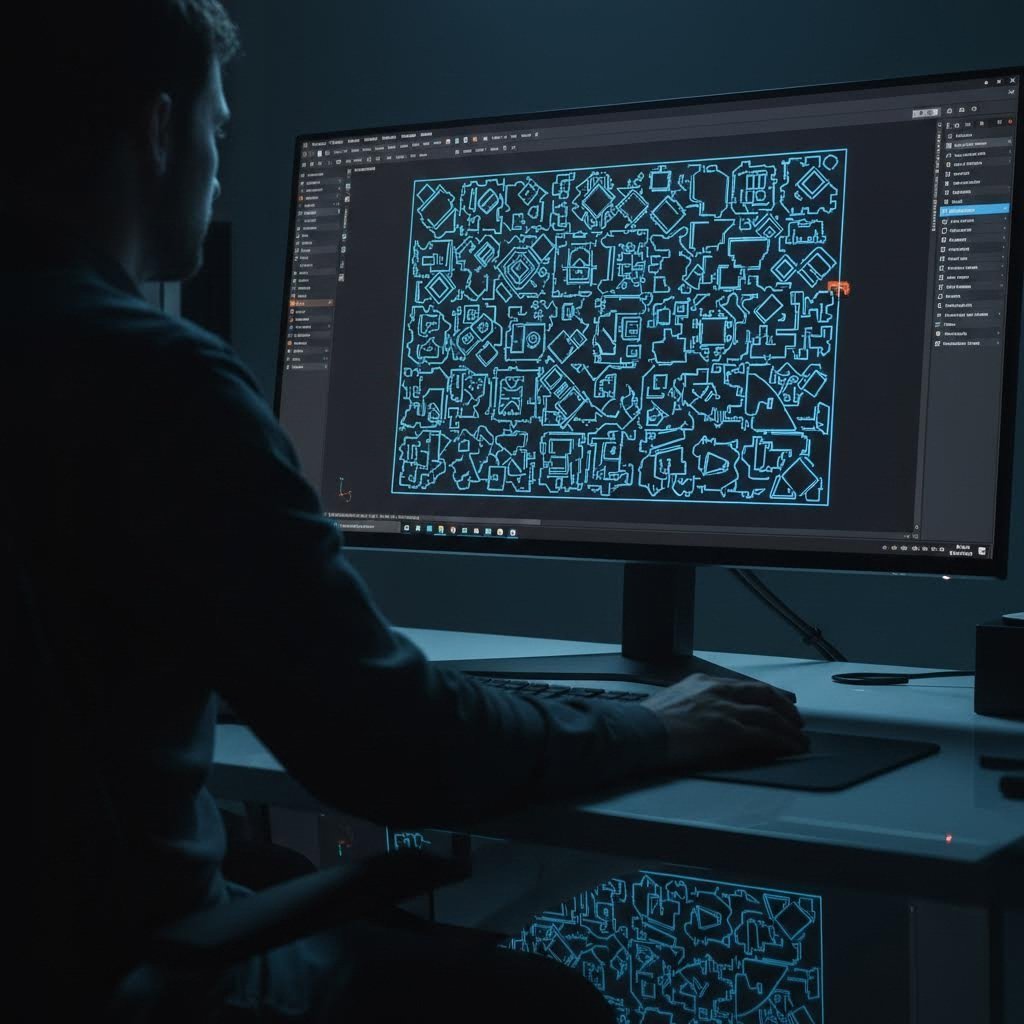
Βελτιστοποίηση των έργων κοπής μετάλλων
Έχετε επιλέξει την τεχνολογία σας, έχετε προσδιορίσει ικανούς παρόχους υπηρεσιών και κατανοείτε τη δυναμική του κόστους—τι ακολουθεί τώρα; Η διαφορά μεταξύ καλών αποτελεσμάτων και εξαιρετικών αποτελεσμάτων βρίσκεται στη βελτιστοποίηση του έργου. Μικρές προσαρμογές στα αρχεία σχεδίασης, στις προδιαγραφές υλικών και στα πρωτόκολλα επικοινωνίας προστίθενται και οδηγούν σε σημαντικές βελτιώσεις ποιότητας και μειώσεις κόστους.
Αντιμετωπίστε τη βελτιστοποίηση της λειζερικής κοπής μετάλλων ως ένα σύστημα, αντί για μεμονωμένες ρυθμίσεις. Κάθε απόφαση—από την αρχική προετοιμασία CAD μέχρι τα κριτήρια τελικής επιθεώρησης—επηρεάζει τα αποτελέσματα στη συνέχεια. Όταν προσεγγίζετε τα έργα με συστηματικό τρόπο, εξαλείπετε τους κύκλους επανεργασίας και τα απρόβλεπτα κόστη που πλήττουν την κακώς σχεδιασμένη κατασκευή.
Βελτιστοποίηση Σχεδίασης για Επιτυχία στη Λειζερική Κοπή
Το αρχείο σχεδίασης σας καθορίζει περίπου το 70% της επιτυχίας του έργου, πριν ακόμη ξεκινήσει η κοπή. Η ακολουθία καθιερωμένων αρχών Σχεδιασμού για Παραγωγή (DFM) μετατρέπει τις πολύπλοκες γεωμετρίες σε εξαρτήματα που παράγονται αποδοτικά. Ακολουθεί η συστηματική προσέγγιση που δίνει συνεχώς αποτελέσματα:
- Προετοιμάστε σωστά τα αρχεία σχεδίασης: Εξαγάγετε καθαρά αρχεία διανύσματος (μορφή DXF ή DWG) με όλη τη γεωμετρία σε ένα μόνο επίπεδο. Καταργήστε διπλές γραμμές, επικαλυπτόμενες διαδρομές και γεωμετρίες κατασκευής που θα μπορούσαν να μπερδέψουν τα συστήματα CNC. Χρησιμοποιήστε ομαλές, συνεχείς γραμμές αντί για οξείες γωνίες ή πολύπλοκες καμπύλες, ώστε να διευκολυνθεί η πιο εύκολη και γρήγορη κοπή.
- Λάβετε υπόψη το πλάτος κοπής (kerf) στις διαστάσεις: Η λέιζερ ακτίνα αφαιρεί υλικό καθώς κόβει—συνήθως 0,1 mm έως 0,3 mm ανάλογα με το πάχος και τον τύπο λέιζερ. Ρυθμίστε τις διαστάσεις του σχεδιασμού σας για να το λάβετε υπόψη, ειδικά για εξαρτήματα που απαιτούν συναρμολόγηση με πίεση ή στενά όρια ανοχής.
- Βελτιστοποιήστε την απόσταση των χαρακτηριστικών: Σχεδιάστε εξαρτήματα με επαρκή απόσταση μεταξύ των γραμμών κοπής για να διαχειριστείτε τη συσσώρευση θερμότητας και να αποφύγετε παραμορφώσεις. Η ελάχιστη απόσταση συνήθως ισούται με 1,5x το πάχος του υλικού για χάλυβα, ενώ αυξάνεται σε 2x για αλουμίνιο λόγω της υψηλότερης θερμικής αγωγιμότητάς του.
- Επιλέξτε τυποποιημένα πάχη υλικών: Η χρήση τυποποιημένων πάχων υλικών είναι ένας από τους πιο εύκολους τρόπους βελτιστοποίησης της διαδικασίας κοπής με λέιζερ. Τα μηχανήματα κοπής με λέιζερ είναι βαθμονομημένα για συνηθισμένα πάχη, καθιστώντας αυτά τα υλικά πιο οικονομικά και εύκολα διαθέσιμα. Τα προσαρμοσμένα πάχη συχνά απαιτούν ελάχιστες ποσότητες παραγγελίας και μεγαλύτερους χρόνους παράδοσης, με αποτέλεσμα τη σημαντική αύξηση του κόστους.
- Καθορίστε ρεαλιστικές ανοχές: Καθορίστε ανοχές που ανταποκρίνονται στις πραγματικές απαιτήσεις — όχι στενότερες από ό,τι απαιτείται. Ορίστε ανοχές που μπορούν να επιτευχθούν με τεχνολογία λέιζερ, συνήθως εντός ±0,1 mm για τις περισσότερες εφαρμογές. Η υπερβολική διευκρίνιση της ακρίβειας προσθέτει κόστος χωρίς λειτουργικό όφελος.
- Σχεδιάστε για αποτελεσματική διάταξη: Τοποθετήστε τα εξαρτήματα με τρόπο που ελαχιστοποιεί τη σπατάλη υλικού και μειώνει τον χρόνο κοπής. Τα ορθογώνια εξωτερικά περιγράμματα διατάσσονται πιο αποδοτικά από τα ακανόνιστα σχήματα. Λάβετε υπόψη κοινές γραμμές κοπής μεταξύ γειτονικών εξαρτημάτων για μείωση του μήκους κοπής.
- Συμπεριλάβετε χαρακτηριστικά στήριξης για μικρά εξαρτήματα: Συμπεριλάβετε χαρακτηριστικά στήριξης, όπως εγκοπές ή μικρά γέφυρες, που διατηρούν τα εξαρτήματα στη θέση τους κατά τη διάρκεια της κοπής, ειδικά για εξαρτήματα κάτω των 25 mm ή ελαφριά κομμάτια που θα μπορούσαν να μετακινηθούν κατά την επεξεργασία.
Για προσαρμοσμένα έργα λέιζερ κοπής μετάλλων που αφορούν σωλήνες ή δομικά προφίλ, ισχύουν επιπλέον παράγοντες. Οι υπηρεσίες λέιζερ κοπής σωλήνων απαιτούν συγκεκριμένες μορφές αρχείων που καθορίζουν τόσο την ανεπτυγμένη 2Δ γεωμετρία όσο και την 3Δ τοποθέτηση. Εάν το έργο σας περιλαμβάνει κυλινδρικά ή ορθογώνια προφίλ σωλήνων, επιβεβαιώστε τις απαιτήσεις αρχείων του παρόχου σας πριν επενδύσετε χρόνο σχεδιασμού σε μη συμβατές μορφές.
Αποτελεσματική Συνεργασία με Εταίρους Παραγωγής
Ακόμη και τα τέλεια αρχεία σχεδίασης απαιτούν αποτελεσματική επικοινωνία για να μετατραπούν σε εξαρτήματα υψηλής ποιότητας. Ο τρόπος με τον οποίο επικοινωνείτε με τον πάροχο υπηρεσιών λέιζερ κοπής μετάλλου επηρεάζει άμεσα τα αποτελέσματα — από την αρχική προσφορά μέχρι την τελική παράδοση.
- Παρέχετε πλήρεις προδιαγραφές του έργου εξαρχής: Συμπεριλάβετε τη βαθμίδα υλικού (όχι μόνο τον τύπο), τις απαιτήσεις επικάλυψης, την ποσότητα, τις ανοχές και οποιεσδήποτε δευτερεύουσες εργασίες που απαιτούνται. Η ελλιπής πληροφόρηση αναγκάζει τους παρόχους να κάνουν υποθέσεις — και οι υποθέσεις σπάνια ευνοούν τον προϋπολογισμό ή το χρονοδιάγραμμά σας.
- Ζητήστε ανατροφοδότηση DFM πριν από την παραγωγή: Οι πάροχοι ποιότητας ελέγχουν τα σχέδια για ζητήματα κατασκευασιμότητας πριν ξεκινήσει η κοπή. Αυτός ο κύκλος ανατροφοδότησης εντοπίζει προβλήματα που διαφορετικά θα μετατραπούν σε δαπανηρή επανεργασία. Οι κατασκευαστές με ολοκληρωμένη υποστήριξη DFM — όπως Shaoyi , ο οποίος προσφέρει επιστροφή προσφοράς εντός 12 ωρών και λεπτομερή ανατροφοδότηση σχεδίασης για αυτοκινητοβιομηχανικές εφαρμογές — επιταχύνουν σημαντικά αυτήν τη διαδικασία βελτιστοποίησης.
- Καθορίστε σαφή κριτήρια ελέγχου: Καθορίστε ποιες διαστάσεις απαιτούν επαλήθευση, τα αποδεκτά πρότυπα τελικής επεξεργασίας επιφάνειας και οποιεσδήποτε ειδικές απαιτήσεις χειρισμού. Γραπτα κριτήρια αποδοχής αποτρέπουν διαφωνίες σχετικά με υποκειμενικές κρίσεις ποιότητας.
- Σχεδιάστε τις φάσεις πρωτοτύπων: Οι σχεδιαστές και οι μηχανικοί μπορούν να επαναλαμβάνουν γρήγορα στα σχέδια, να δοκιμάζουν πρωτότυπα και να βελτιώνουν τα προϊόντα πριν από την τελική παραγωγή. Ενσωματώστε την κατασκευή πρωτότυπων στο χρονοδιάγραμμά σας — το κόστος μιας μικρής παρτίδας επικύρωσης είναι ασήμαντο σε σύγκριση με την απόρριψη μιας πλήρους παραγωγικής διαδικασίας. Δυνατότητες γρήγορης πρωτοτυποποίησης (ορισμένοι πάροχοι προσφέρουν παράδοση σε 5 ημέρες) επιτρέπουν αυτήν την επαναληπτική βελτίωση χωρίς να επηρεαστεί το χρονοδιάγραμμα.
- Επικοινωνήστε ειλικρινά για την ευελιξία του χρονοδιαγράμματος: Αν το προθεσμία σας έχει ευελιξία, μοιραστείτε αυτή την πληροφορία. Οι επιταχυνθείσες χρεώσεις για τεχνητή επείγουσα ανάγκη σπαταλούν χρήματα· αντίθετα, αν η στιγμή πραγματικά έχει σημασία, η πρόωρη επικοινωνία αποτρέπει τη μη τήρηση παραδόσεων.
- Συγχωνεύστε δευτερεύουσες εργασίες όποτε είναι δυνατό: Αν ο πάροχος της μεταλλικής λέιζερ κοπής προσφέρει υπηρεσίες λυγίσματος, συγκόλλησης, επικάλυψης με σκόνη ή προσαρμοσμένης διάβρωσης λέιζερ, η συγκέντρωση λειτουργιών μειώνει τον χειρισμό, τη μεταφορά και τη διοικητική επιβάρυνση.
Ελέγχος ποιότητας και συνεχής βελτίωση
Η βελτιστοποίηση δεν τελειώνει όταν αποστέλλονται τα εξαρτήματα. Η δημιουργία βρόχων ανατροφοδότησης μεταξύ των απαιτήσεων ποιότητάς σας και των αποτελεσμάτων παραγωγής επιτρέπει τη συνεχή βελτίωση σε όλα τα έργα.
Βασικές πρακτικές επαλήθευσης περιλαμβάνουν:
- Έλεγχος πρώτου δείγματος: Επαληθεύστε τις κρίσιμες διαστάσεις πριν εγκρίνετε πλήρεις παραγωγικές παρτίδες
- Τεκμηριώστε επαναλαμβανόμενα προβλήματα: Παρακολουθείτε τα μοτίβα ελαττωμάτων για να αντιμετωπίζετε τις ριζικές αιτίες και όχι τα συμπτώματα
- Μοιραστείτε ανατροφοδότηση με τους παρόχους: Η εποικοδομητική επικοινωνία σχετικά με τα κενά ποιότητας επιτρέπει στοχευμένες βελτιώσεις
- Επανεξετάστε την αποδοτικότητα ενσωμάτωσης (nesting): Για επαναλαμβανόμενες παραγγελίες, αξιολογήστε αν η χρήση υλικού μπορεί να βελτιωθεί
Η τεχνολογία των μηχανημάτων λέιζερ κοπής μετάλλου συνεχίζει να προχωρά γρήγορα. Το να είστε ενήμεροι για βελτιώσεις στις δυνατότητες—υψηλότερα ισχύος συστήματα, ταχύτερες ταχύτητες επεξεργασίας, βελτιωμένο χειρισμό ανακλαστικών μετάλλων—σας φέρνει σε θέση να αξιοποιήσετε νέες ευκαιρίες καθώς προκύπτουν. Αυτό που πριν τρία χρόνια απαιτούσε παραχώρηση, σήμερα μπορεί να είναι πλέον τυπική δυνατότητα.
Επιτυχημένα έργα λέιζερ κοπής μετάλλου προκύπτουν από συστηματική βελτιστοποίηση σε σχεδιασμό, επιλογή υλικών και συνεργασίες παραγωγής. Εφαρμόζοντας συνεπώς αυτές τις αρχές, θα αντλήσετε τη μέγιστη αξία από αυτή την ακριβή τεχνολογία, ενώ θα ελαχιστοποιείτε το κόστος και τις καθυστερήσεις που πλήττουν τις μη βελτιστοποιημένες προσεγγίσεις. Η επένδυση στον αρχικό σχεδιασμό αποδίδει κέρδη καθ’ όλη τη διάρκεια της παραγωγής—και σε κάθε επόμενο έργο που επωφελείται από τις εμπειρίες που αποκτήθηκαν.
Συχνές Ερωτήσεις Σχετικά με την Κοπή Μετάλλων με Λέιζερ
1. Πόσο κοστίζει η λέιζερ κοπή μετάλλου;
Το κόστος λέιζερ κοπής μετάλλου κυμαίνεται συνήθως από 13 έως 20 δολάρια την ώρα για εργασίες κοπής χάλυβα. Η τελική τιμή εξαρτάται από πολλούς παράγοντες, όπως ο τύπος του υλικού, το πάχος, η πολυπλοκότητα του σχεδιασμού και οι απαιτήσεις ποιότητας των ακμών. Τα συστήματα ινών λέιζερ λειτουργούν περίπου 3,50-4,00 δολάρια την ώρα για ηλεκτρική ενέργεια και αναλώσιμα, σημαντικά χαμηλότερα από τις εναλλακτικές λύσεις πλάσματος ή υδροβολής. Για εφαρμογές υψηλού όγκου στην αυτοκινητοβιομηχανία, κατασκευαστές όπως η Shaoyi προσφέρουν επιστροφή προσφορών εντός 12 ωρών, ώστε να μπορείτε να προϋπολογίσετε με ακρίβεια τα έργα σας για ακριβή κοπή μετάλλων.
2. Ποιο είδος λέιζερ χρειάζεστε για να κόψετε μέταλλο;
Οι ινοπτικοί λέιζερ είναι η προτιμώμενη επιλογή για το κοπή μετάλλων, καταλαμβάνοντας το 60% της αγοράς λόγω του μήκους κύματος των 1.064 nm που τα μέταλλα απορροφούν αποτελεσματικά. Διακρίνονται στην κοπή χάλυβα, ανοξείδωτου χάλυβα, αλουμινίου, χαλκού και ορείχαλκου με ανοχές έως ±0,005 ίντσες. Οι λέιζερ CO2 λειτουργούν για μη ανακλαστικά μέταλλα αλλά είναι λιγότερο αποτελεσματικοί, ενώ οι Nd:YAG λέιζερ χρησιμοποιούνται για ειδικές εφαρμογές πάχυνσης πλακών. Για ανακλαστικά μέταλλα όπως ο χαλκός και το αλουμίνιο, είναι απαραίτητοι οι ινοπτικοί λέιζερ με οπτικά αντικατοπτρισμού για να αποφευχθεί ζημιά στον εξοπλισμό.
3. Τι δεν μπορεί να κοπεί με κοπτικό λέιζερ;
Οι λέιζερ δεν μπορούν να επεξεργαστούν με ασφάλεια ορισμένα επικίνδυνα υλικά, όπως το PVC (εκλύει τοξικό αέριο υδροχλωρικού υδρογόνου), δέρμα που περιέχει χρώμιο (VI), ίνες άνθρακα και υλικά που παράγουν επικίνδυνες αναθυμιάσεις όταν θερμαίνονται. Επιπλέον, εξαιρετικά παχιά μέταλλα πέραν των ορίων ικανότητας του εξοπλισμού δημιουργούν προβλήματα — τα τυπικά φασερ λέιζερ επεξεργάζονται χάλυβα έως 40 mm και αλουμίνιο έως 25 mm. Για υλικά που απαιτούν μηδενική θερμικά επηρεασμένη ζώνη, ίσως χρειαστεί κοπή με υδροψήκτρα, αφού η κοπή με λέιζερ δημιουργεί ελάχιστη θερμική επίδραση στο περιβάλλον υλικό.
4. Ποιο είναι το μέγιστο πάχος για κοπή μετάλλου με λέιζερ;
Το μέγιστο πάχος κοπής εξαρτάται από την ισχύ του λέιζερ και τον τύπο του υλικού. Ένα ίνας λέιζερ 12kW+ μπορεί να κόψει ανθρακούχο χάλυβα μέχρι 40 mm, ανοξείδωτο χάλυβα μέχρι 30 mm και αλουμίνιο μέχρι 25 mm. Για λεπτότερα υλικά κάτω από 6 mm, οι ανοχές φτάνουν το ±0,1 mm. Το χαλκός και το μπρούτζο συνήθως δεν ξεπερνούν τα 10-12 mm λόγω των ανακλαστικών τους ιδιοτήτων. Όταν το έργο σας ξεπερνά αυτά τα πάχη, η κοπή με πλάσμα (μέχρι 50 mm+) ή με υδροβλήμα (200 mm+) γίνονται πιο κατάλληλες εναλλακτικές.
5. Θα έπρεπε να αγοράσω εξοπλισμό λέιζερ κοπής ή να αναθέσω την εργασία σε πάροχο υπηρεσιών;
Εξετάστε την αγορά εξοπλισμού όταν οι ετήσιες δαπάνες εκτέλεσης εργασιών προς τρίτους υπερβαίνουν τα 150.000-200.000 δολάρια ΗΠΑ, όταν χρειάζεστε αυστηρό έλεγχο χρόνων παράδοσης ή όταν ιδιόκτητα σχέδια απαιτούν εμπιστευτικότητα. Η εκτέλεση εργασιών προς τρίτους είναι λογική επιλογή για μεταβαλλόμενες ανάγκες χωρητικότητας, για πρόσβαση σε πολλαπλές τεχνολογίες ή για ειδικά υλικά τα οποία θα επεξεργαζόσασταν σπάνια. Αξιολογήστε τους παρόχους βάσει των δυνατοτήτων τους ως προς τα υλικά, της τεχνολογίας του εξοπλισμού, πιστοποιήσεων όπως IATF 16949 και των χρόνων ολοκλήρωσης. Για αυτοκινητοβιομηχανικές εφαρμογές που απαιτούν ταχεία πρωτοτυποποίηση και ποιότητα πιστοποιημένη βάσει IATF, η συνεργασία με εξειδικευμένους κατασκευαστές όπως η Shaoyi παρέχει υποστήριξη DFM χωρίς επενδύσεις σε κεφαλαιουχικό εξοπλισμό.