 Small batches, high standards. Our rapid prototyping service makes validation faster and easier —
  EN
EN


স্ট্যাম্পড স্টিল কন্ট্রোল আর্ম দৃঢ়তা ঠিক করা: একটি অপরিহার্য গাইড
সংক্ষেপে
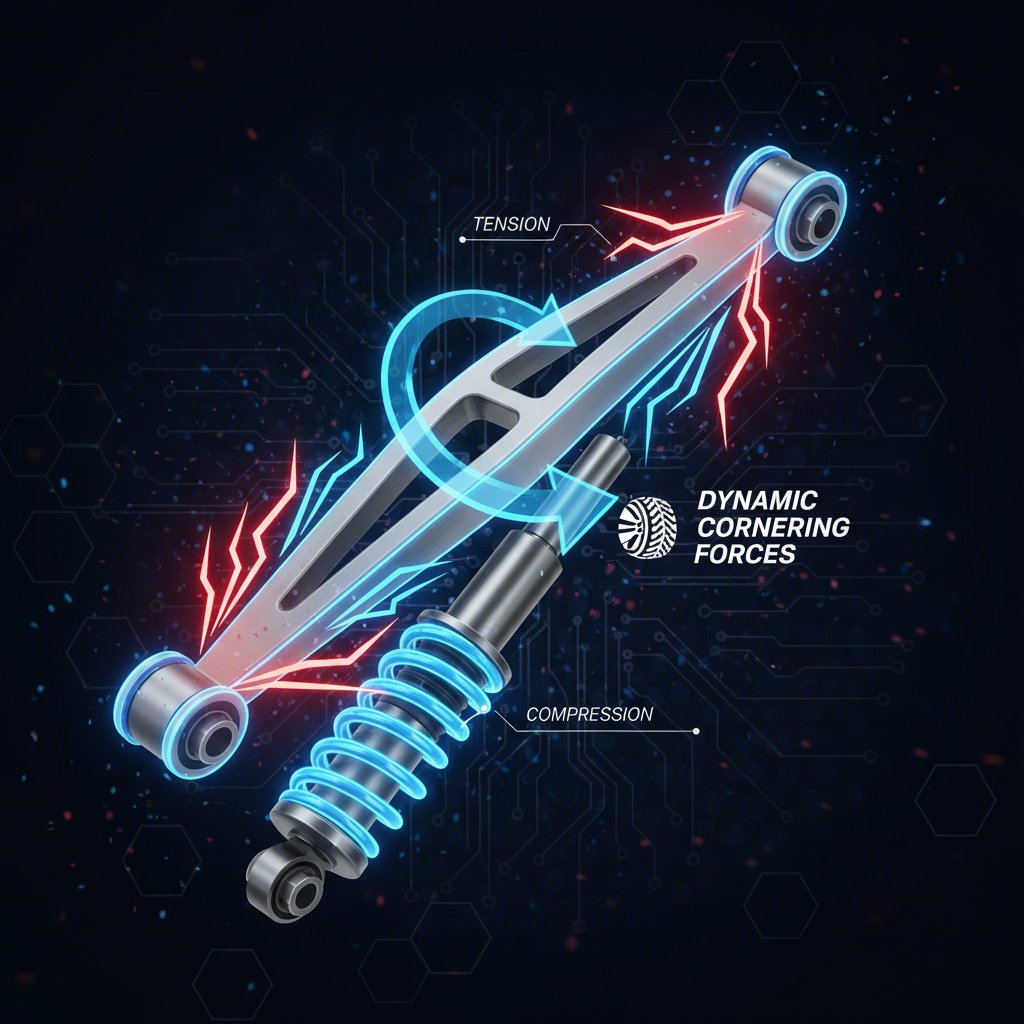
স্ট্যাম্পড স্টিলের কন্ট্রোল আর্মগুলি হল একটি সাধারণ OEM উপাদান, যা কম উৎপাদন খরচের জন্য প্রশংসিত, কিন্তু এদের খোলা C-চ্যানেল ডিজাইনের কারণে দৃঢ়তা কম। এই অন্তর্নিহিত দুর্বলতার ফলে কোণায় ঘোরার সময় বা ত্বরণের চাপে এগুলি বাঁক নেয়, যার ফলে নিয়ন্ত্রণহীনতা এবং চাকার লাফানো দেখা দেয়। স্ট্যাম্পড স্টিলের কন্ট্রোল আর্মের দৃঢ়তা বাড়ানোর জন্য একটি জনপ্রিয় ও কার্যকর পরিবর্তন হল 'বক্সিং'—খোলা পাশে একটি স্টিলের পাত লাগিয়ে একটি শক্তিশালী, সম্পূর্ণ আবদ্ধ কাঠামো তৈরি করা।
স্ট্যাম্পড স্টিলের কন্ট্রোল আর্ম সম্পর্কে বোঝা: দৃঢ়তার সমস্যা
স্ট্যাম্পড স্টিলের কন্ট্রোল আর্ম অনেক আধুনিক যানবাহনের সাসপেনশন সিস্টেমের একটি মৌলিক উপাদান, যা চ্যাসিসকে চাকার অ্যাসেম্বলিতে সংযুক্ত করে। এগুলি ইস্পাতের একটি পাতকে 'C' বা 'U' আকৃতিতে স্ট্যাম্প করে তৈরি করা হয়, যা বৃহৎ পরিসরে উৎপাদনের জন্য অত্যন্ত দক্ষ এবং খরচ-কার্যকর প্রক্রিয়া। এই অর্থনৈতিক সুবিধার কারণেই মূল সরঞ্জাম উৎপাদকদের (OEMs) মধ্যে এগুলি একটি সাধারণ পছন্দ। যেসব অটোমোটিভ উৎপাদক উচ্চ-পরিমাণে সঠিক উপাদান খুঁজছেন, তাদের জন্য বিশেষায়িত সরবরাহকারীরা শাওয়াই (নিংবো) মেটাল টেকনোলজি কো., লিমিটেড উৎপাদনের এই চাহিদা পূরণের জন্য উন্নত অটো স্ট্যাম্পিং পার্টস সরবরাহ করে।
যাইহোক, যে নকশাটি তাদের কম খরচে উপলব্ধ করে তোলে, এটিই হল তাদের প্রধান দুর্বলতা। 'সি' চ্যানেলের খোলা গঠনটি মূলত উল্লেখযোগ্য বলের সম্মুখীন হলে বাঁকা ও ভাঁজ হওয়ার প্রবণতা রাখে। জোরে কোণায় ঘোরা, ত্বরণ বা ব্রেক করার সময়, সাসপেনশনের উপর প্রযুক্ত বল এই অ্যার্মগুলিকে নমনীয় করে তুলতে পারে। এই বিক্ষেপণ মুহূর্তে সাসপেনশন জ্যামিতি পরিবর্তন করে, যা নিয়ন্ত্রণের অবাঞ্ছিত বৈশিষ্ট্যগুলির একটি শ্রেণীর দিকে নিয়ে যেতে পারে।
দৃঢ়তার এই অভাবের বাস্তব ফলাফলগুলি যানবাহনের কর্মক্ষমতার জন্য উল্লেখযোগ্য। কর্মক্ষমতা-কেন্দ্রিক প্রকাশনা যেমন LSX Magazine , স্ট্যাম্পড ইস্পাতের উপাদানগুলিতে নমনতা 'অস্থির হ্যান্ডলিং' এবং 'চাকার লাফানো' ঘটাতে পারে। ড্রাইভারদের স্টিয়ারিং থেকে অস্পষ্ট বা অপ্রত্যাশিত অনুভূতি হতে পারে, বিশেষ করে F-বডি (ক্যামারো/ফায়ারবার্ড) এর মতো পারফরম্যান্স যানগুলিতে, যেখানে এই উপাদানগুলি একটি পরিচিত দুর্বল বিন্দু। যে শক্তি মাটিতে শক্তি স্থানান্তর করা উচিত ছিল, তা পরিবর্তে সাসপেনশনের নমনে নষ্ট হয়, যা আঁকড়ানো এবং ড্রাইভারের আত্মবিশ্বাস—উভয়কেই ক্ষতিগ্রস্ত করে।
যদিও সাধারণ দৈনিক চালনা এবং যাতায়াতের জন্য এটি সম্পূর্ণ যথেষ্ট, কিন্তু স্ট্যাম্পড ইস্পাতের কন্ট্রোল আর্মের কঠোরতার সীমাবদ্ধতা আরও চাহিদাপূর্ণ পরিস্থিতিতে স্পষ্ট হয়ে ওঠে। যারা এনথুজিয়াস্ট ট্র্যাক দিন, অটোক্রস বা উৎসাহী চালনার জন্য তাদের যানের পারফরম্যান্স উন্নত করতে চান, তাদের জন্য এই নমন দূর করা হল আরও স্থিতিশীল এবং সাড়াদাতা চ্যাসিসের দিকে একটি গুরুত্বপূর্ণ প্রথম পদক্ষেপ।
স্ট্যাম্পড ইস্পাত বনাম বিকল্পগুলি: শক্তি এবং উপাদানের তুলনা
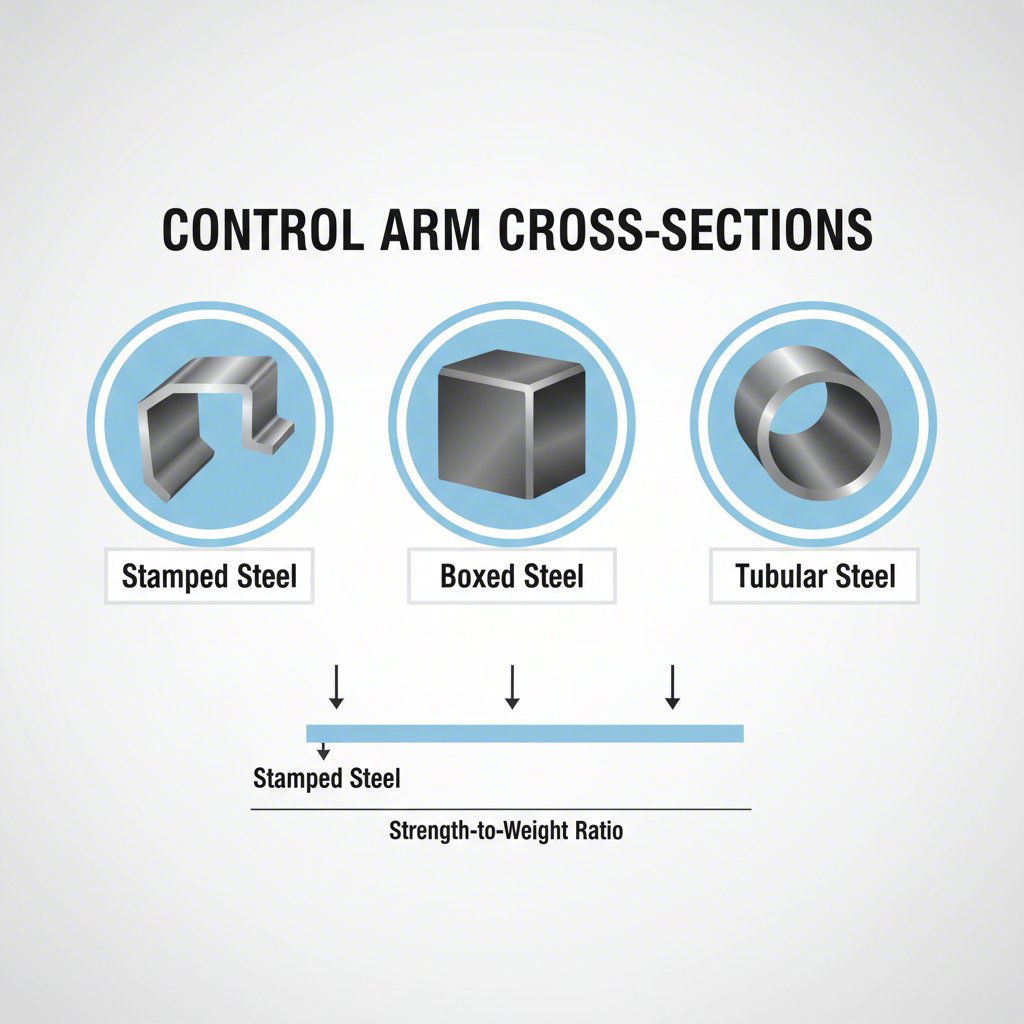
আপগ্রেড বা প্রতিস্থাপনের কথা ভাবার সময়, স্ট্যাম্পড ইস্পাত অন্যান্য সাধারণ নিয়ন্ত্রণ আর্ম উপকরণের সাথে কীভাবে তুলনা করে তা বোঝা অত্যন্ত গুরুত্বপূর্ণ। প্রতিটি ধরন— খাদ লৌহ, খাদ অ্যালুমিনিয়াম এবং ফোর্জড বা টিউবুলার ইস্পাত— শক্তি, ওজন, ক্ষয় প্রতিরোধ এবং খরচের দিক থেকে আলাদা আলাদা আপস সম্পর্কে তথ্য দেয়। সঠিক উপকরণ নির্বাচন সম্পূর্ণরূপে আপনার যানবাহনের নির্দিষ্ট ব্যবহার এবং আপনার কর্মক্ষমতার প্রাধান্যের উপর নির্ভর করে।
কাস্ট আয়রন নিয়ন্ত্রণ আর্মগুলি হল ভারী-দায়িত্বের বিকল্প। জিএমটি রাবার এর একটি গাইডে ব্যাখ্যা করা হয়েছে, এই উপকরণটি সাধারণত ট্রাক এবং এসইউভিতে পাওয়া যায় কারণ এটি অত্যন্ত শক্তিশালী এবং টেকসই। এটি স্ট্যাম্পড ইস্পাতের চেয়ে অনেক বেশি বাঁক প্রতিরোধ করে এবং মরিচা হওয়ার প্রবণতা কম। তবে, এর উল্লেখযোগ্য ওজন যানবাহনের 'অনস্প্রাঙ্গ ওজন' বাড়িয়ে দেয়, যা চলাচলের গুণগত মান এবং সাসপেনশনের রাস্তার অসমতার প্রতি দ্রুত প্রতিক্রিয়া বিক্রিয়া করার ক্ষমতাকে নেতিবাচকভাবে প্রভাবিত করতে পারে।
অ্যালুমিনিয়াম বিপরীত সুবিধা প্রদান করে: এটি অত্যন্ত হালকা। অ্যালুমিনিয়ামের আর্ম ব্যবহার করে অনস্প্রাঙ্গ ওজন কমানো যেতে পারে, যা উল্লেখযোগ্যভাবে উন্নত হ্যান্ডলিং, ভালো ট্রাকশন এবং আরও স্পষ্ট প্রতিক্রিয়া অনুভূতির দিকে নিয়ে যায়। একটি তুলনা অনুযায়ী, Metrix Premium Parts অ্যালুমিনিয়াম স্বাভাবিকভাবেই ক্ষয়ের প্রতি প্রতিরোধী। তবে এর ত্রুটি হলো এটি ইস্পাত বা লৌহের তুলনায় সাধারণত বেশি দামী এবং কম স্থায়ী, প্রচণ্ড আঘাতের ক্ষেত্রে বাঁকা বা ভাঙা যেতে পারে, যা ভারী কাজের বা অফ-রোড প্রয়োগের জন্য কম উপযুক্ত করে তোলে।
ফোর্জড স্টিল বা টিউবুলার স্টিল আর্মগুলি হাই-পারফরম্যান্স আটারমার্কেট সমাধান হিসাবে কাজ করে। ফোর্জিং একটি অত্যন্ত শক্তিশালী এবং ঘন উপাদান তৈরি করে, যেখানে টিউবুলার ডিজাইনগুলি ওজনের তুলনায় চমৎকার শক্তি অনুপাত প্রদান করে। এগুলি বিশেষভাবে ফ্লেক্স দূর করার জন্য এবং সবচেয়ে চাপা পরিস্থিতিতে সঠিক, সামঞ্জস্যপূর্ণ সাসপেনশন জ্যামিতি প্রদানের জন্য নকশা করা হয়েছে, যা রেসিং এবং গুরুত্বপূর্ণ পারফরম্যান্স বিল্ডের জন্য সেরা পছন্দ করে তোলে।
| উপাদান প্রকার | প্রধান উত্তেজনা | প্রধান ত্রুটি | জন্য সেরা |
|---|---|---|---|
| স্ট্যাম্পড ইস্পাত | অত্যন্ত কম খরচ, হালকা | দৃঢ়তার অভাব, ফ্লেক্স এবং মরিচার প্রবণ | স্ট্যান্ডার্ড ওইএম অ্যাপ্লিকেশন, দৈনিক ড্রাইভিং |
| কাস্ট আয়রন | অত্যন্ত শক্তিশালী এবং টেকসই | খুব ভারী, অনাবদ্ধ ওজন বৃদ্ধি করে | ভারী গাড়ি, এসইউভি, কঠোর পরিবেশ |
| অ্যালুমিনিয়াম | হালকা ওজন, হ্যান্ডলিং উন্নত করে, ক্ষয়রোধী | আরও ব্যয়বহুল, আঘাতের মুখে কম টেকসই | পারফরম্যান্স গাড়ি, চলাচলের গুণমান উন্নত করা |
| ফোর্জড/টিউবুলার স্টিল | ওজনের তুলনায় সর্বোচ্চ শক্তি, সর্বোচ্চ দৃঢ়তা | সর্বোচ্চ খরচ | রেসিং, অটোক্রস, গুরুতর পারফরম্যান্স বিল্ড |
দৃঢ়তা বৃদ্ধির উপায়: 'বক্সিং' পদ্ধতি ব্যাখ্যা করা হল
যারা বাজেট-বান্ধব কিন্তু অত্যন্ত কার্যকর উপায়ে ফ্লেক্স দূর করতে চান, তাদের জন্য 'বক্সিং'-এর ক্লাসিক পদ্ধতি হল সঠিক উত্তর। বক্সিং হল একটি ফ্যাব্রিকেশন প্রক্রিয়া যা দুর্বল, খোলা C-চ্যানেলের স্ট্যাম্পড স্টিল কন্ট্রোল আর্মকে একটি সম্পূর্ণ আবদ্ধ, দৃঢ় বক্স কাঠামোতে রূপান্তরিত করে। হাতুড়ির খোলা পাশে নির্ভুলভাবে কাটা ইস্পাত প্লেট ওয়েল্ডিং করে আপনি ঐ অংশের বাঁকা ও মোচড়ানো বলগুলির বিরুদ্ধে প্রতিরোধ ক্ষমতা উল্লেখযোগ্যভাবে বাড়িয়ে তুলতে পারেন, যা দৃঢ়তার মূল সমস্যার সমাধান করে।
এই পরিবর্তনটি আфтерমার্কেট টিউবুলার আর্মের তুলনায় খরচের একটি ছোট অংশের জন্য উল্লেখযোগ্য শক্তি বৃদ্ধি করে, তবে এটি ওয়েল্ডিং দক্ষতা এবং সরঞ্জাম প্রয়োজন করে। এই প্রক্রিয়াটি, একটি প্রযুক্তিগত গাইড দ্বারা বিস্তারিতভাবে বর্ণিত, সতর্কতার সাথে প্রস্তুতি এবং কার্যকর করণ নির্দেশ করে। Speedway Motors , যদিও গাড়ি অনুযায়ী নির্দিষ্ট পদক্ষেপগুলি ভিন্ন হতে পারে, মৌলিক পদ্ধতিটি একই থাকে।
বক্সিং প্রক্রিয়ার একটি ধাপে ধাপে ওভারভিউ নিম্নরূপ:
- কন্ট্রোল আর্ম সরান এবং প্রস্তুত করুন: যানটি থেকে নিয়ন্ত্রণ বাহুটি সরানো আবশ্যিক। যেসব অংশে ওয়েল্ডিং করা হবে সেগুলি থেকে সমস্ত ধুলো, গ্রিজ এবং পেইন্ট সরাতে এটিকে ভালো করে পরিষ্কার করুন। এর জন্য গ্রাইন্ডারে তারের চাকা ব্যবহার করা কার্যকর।
- একটি টেমপ্লেট তৈরি করুন: পুনর্বলীকরণ প্লেটের জন্য কার্ডবোর্ডের টুকরো ব্যবহার করুন। নিয়ন্ত্রণ বাহুর খোলা পাশের আকৃতি অনুলিপি করুন, সোজা বার লিঙ্কের মতো উপাদানগুলির জন্য প্রয়োজনীয় ছিদ্রগুলি চিহ্নিত করুন কিনা তা নিশ্চিত করুন।
- স্টিল প্লেট কাটুন: কার্ডবোর্ডের টেমপ্লেটটি 16-গেজ মৃদু ইস্পাতের পাতে স্থানান্তর করুন। প্লাজমা কাটার, কাট-অফ চাকা সহ কোণ গ্রাইন্ডার বা ধাতুর কাঁচি ব্যবহার করে প্লেটটি আকৃতি অনুযায়ী কাটুন। প্রয়োজনীয় অ্যাক্সেস ছিদ্রগুলি ড্রিল করুন।
- পরীক্ষামূলক ফিটিং এবং ট্যাক ওয়েল্ড: নিয়ন্ত্রণ বাহুর আকৃতির সাথে মিল রাখার জন্য প্লেটটি প্রয়োজনমতো বাঁকান। এটি সঠিকভাবে বসছে কিনা তা নিশ্চিত করতে পরীক্ষামূলক ফিটিং করুন। ফিটিং নিয়ে সন্তুষ্ট হওয়ার পর, প্লেটটি নিরাপদে আটকে রাখতে ওয়েল্ডার ব্যবহার করে একাধিক ট্যাক ওয়েল্ড করুন।
- প্লেটটি স্টিচ ওয়েল্ড করুন: অতিরিক্ত তাপের কারণে নিয়ন্ত্রণ বাহু বিকৃত হওয়া এড়াতে, স্টিচ ওয়েল্ডিং কৌশল ব্যবহার করুন। একটি ছোট অংশ (1-2 ইঞ্চি) ওয়েল্ড করুন, তারপর অন্য জায়গায় চলে যান এবং আরেকটি ছোট অংশ ওয়েল্ড করুন, ওয়েল্ডের মধ্যে ধাতুটি ঠান্ডা হওয়ার সুযোগ দিন। প্লেটটি বাহুতে নিরাপদভাবে আটকানো না হওয়া পর্যন্ত এই প্রক্রিয়াটি চালিয়ে যান।
- সমাপ্তকরণ এবং রং করা: বাহুটি সম্পূর্ণরূপে ঠান্ডা হওয়ার পর, গ্রাইন্ডার বা তারের চাকা দিয়ে ওয়েল্ডগুলি পরিষ্কার করুন। পুরো পৃষ্ঠটি প্রস্তুত করুন এবং মরিচা ও ক্ষয় রোধে রং বা পাউডার কোটিংয়ের টেকসই স্তর প্রয়োগ করুন।
সঠিকভাবে করা হলে, একটি বক্সড কন্ট্রোল আর্ম কিছু আফটারমার্কেট ডিজাইনের সমতুল্য দৃঢ়তা প্রদান করে, খরচ বাড়ানো ছাড়াই হ্যান্ডলিং এবং স্থিতিশীলতায় উল্লেখযোগ্য উন্নতি আনে।
আপনার কন্ট্রোল আর্ম চিহ্নিতকরণ: একটি ব্যবহারিক ফিল্ড গাইড
প্রতিস্থাপনের জন্য যন্ত্রাংশ অর্ডার করা বা বক্সিংয়ের মতো কোনো পরিবর্তন পরিকল্পনা করার আগে, আপনার গাড়িতে কোন ধরনের কন্ট্রোল আর্ম রয়েছে তা সঠিকভাবে চিহ্নিত করা প্রয়োজন। বছরের পর বছর ধরে রাস্তার ধুলোবালি জমে থাকার কারণে বিভিন্ন উপাদান একই রকম দেখাতে পারে, তাই শুধুমাত্র চোখে দেখে তা নির্ণয় করা ভুল হতে পারে। সৌভাগ্যক্রমে, আপনি ঘরোয়া সরঞ্জাম দিয়ে একটি সহজ ও কার্যকর নির্ণয় পদ্ধতি অনুসরণ করতে পারেন।
এই পদ্ধতিটি, একটি প্রযুক্তিগত বুলেটিনে বর্ণিত আছে, MOOG Parts , আপনাকে অ্যালুমিনিয়াম, স্ট্যাম্পড ইস্পাত এবং ঢালাই লোহার মধ্যে দ্রুত পার্থক্য করতে সাহায্য করে। এটি একটি গুরুত্বপূর্ণ পদক্ষেপ, কারণ আপনার নির্দিষ্ট সেটআপের জন্য ভুল যন্ত্রাংশ অর্ডার করলে ইনস্টলেশনের সমস্যা বা অনিরাপদ ড্রাইভিং পরিস্থিতি তৈরি হতে পারে।
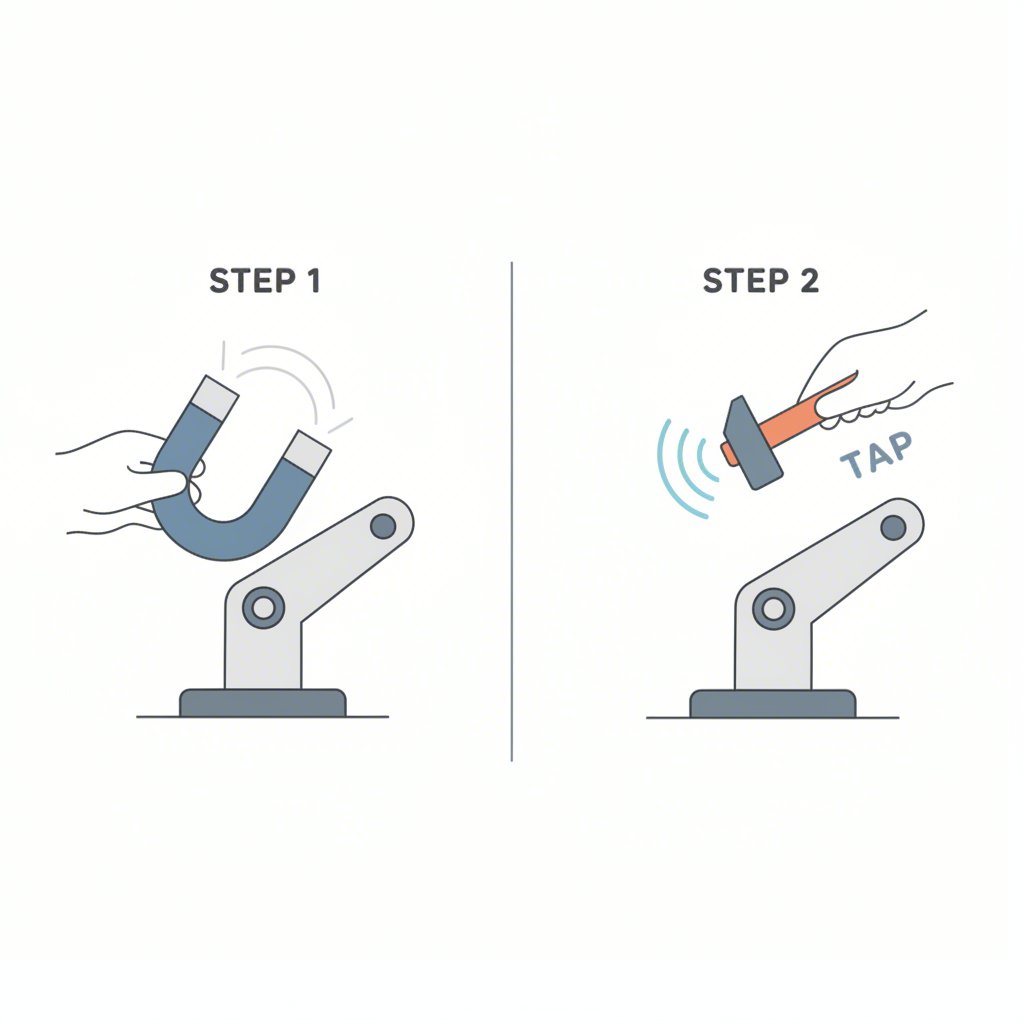
আপনার কন্ট্রোল আর্মের উপাদান চিহ্নিত করতে নিম্নলিখিত সহজ পদক্ষেপগুলি অনুসরণ করুন:
- পৃষ্ঠের পরিচ্ছন্নতা পরীক্ষা করুন: প্রথমে, কন্ট্রোল আর্মটি ভালো করে পরিষ্কার করুন। সমস্ত ধুলো, গ্রিজ এবং ময়লা সরাতে ডিগ্রিজার এবং তারের ব্রাশ ব্যবহার করুন। আপনার কাঁচা ধাতুটি দেখতে এবং সেটি ছুঁতে পারা উচিত।
-
চুম্বক ব্যবহার করুন: এটি হল মূল পরীক্ষা। কন্ট্রোল আর্মের উপর একটি চুম্বক স্থাপন করুন।
- যদি চুম্বক লাগে না , তবে কন্ট্রোল আর্মটি তৈরি হয়েছে অ্যালুমিনিয়াম .
- যদি চুম্বক দৃঢ়ভাবে লেগে থাকে , কন্ট্রোল আর্মটি একটি ফেরাস ধাতু—হয় স্ট্যাম্পড ইস্পাত অথবা ঢালাই লৌহ দিয়ে তৈরি। পরবর্তী ধাপে যান।
-
এটিকে হাতুড়ি দিয়ে আঘাত করুন: যদি চুম্বকটি লেগে থাকে, একটি সাধারণ শব্দ পরীক্ষা চূড়ান্ত উত্তর জানাবে। ছোট হাতুড়ি দিয়ে কন্ট্রোল আর্মটিকে হালকা আঘাত করুন।
- যদি আপনি একটি খোলা, বাজানো শব্দ শুনতে পান, তবে এটি একটি স্ট্যাম্পড ইস্পাত কন্ট্রোল আর্ম।
- যদি আপনি একটি নির্জীব, কঠিন শব্দ শুনতে পান, তবে এটি একটি কাস্ট আয়রন কন্ট্রোল আর্ম।
এই তিন-ধাপবিশিষ্ট প্রক্রিয়া অনুসরণ করে, আপনি আত্মবিশ্বাসের সাথে আপনার যানবাহনের কন্ট্রোল আর্মগুলি চিহ্নিত করতে পারবেন। এই জ্ঞান আপনাকে সঠিক প্রতিস্থাপন যন্ত্রাংশগুলি অর্ডার করতে, আপনার আপগ্রেডগুলি সঠিকভাবে পরিকল্পনা করতে এবং নিশ্চিত করতে সক্ষম করে যে আপনার সাসপেনশনের কাজ প্রথমবারেই সঠিকভাবে সম্পন্ন হয়েছে।
প্রায়শই জিজ্ঞাসিত প্রশ্নাবলী
1. কাস্ট আয়রন এবং ষ্ট্যাম্পড ইস্পাত নিয়ন্ত্রণ বাহুগুলির মধ্যে পার্থক্য কী?
প্রধান পার্থক্যটি হল তাদের উৎপাদন, শক্তি এবং প্রয়োগে। স্ট্যাম্পড ইস্পাত কন্ট্রোল আর্মগুলি একটি চাপা ইস্পাতের পাত থেকে তৈরি, যা হালকা ও সস্তা করে তোলে কিন্তু বাঁকানোর প্রবণতা রাখে। এগুলি যাত্রীবাহী গাড়িতে সাধারণত দেখা যায়। খাদ লোহার কন্ট্রোল আর্মগুলি ছাঁচে ঢালা গলিত লোহা দিয়ে তৈরি, যার ফলে এটি অনেক ভারী, শক্তিশালী এবং আরও দৃঢ় উপাদান হয় যা ট্রাক এবং এসইউভিগুলির মতো ভারী যানবাহনের জন্য আরও উপযুক্ত।
2. আপনার কাছে স্ট্যাম্পড স্টিলের কন্ট্রোল আর্ম আছে কিনা তা কীভাবে বুঝবেন?
এটি বোঝার সহজতম উপায় হল দুই ধাপের পরীক্ষা। প্রথমত, কন্ট্রোল আর্মটি পরিষ্কার করুন এবং দেখুন এটিতে কি চুম্বক লেগে আছে। যদি লাগে, তবে এটি হয় ইস্পাত নয় খাদ লোহা। দ্বিতীয়ত, হাতুড়ি দিয়ে আর্মটিকে হালকাভাবে আঘাত করুন। একটি ফাঁপা, বাজানো শব্দ নির্দেশ করে যে এটি স্ট্যাম্পড ইস্পাতের কন্ট্রোল আর্ম, যেখানে একটি নিস্তেজ ধাক্কা শব্দ নির্দেশ করে যে এটি কঠিন খাদ লোহা।