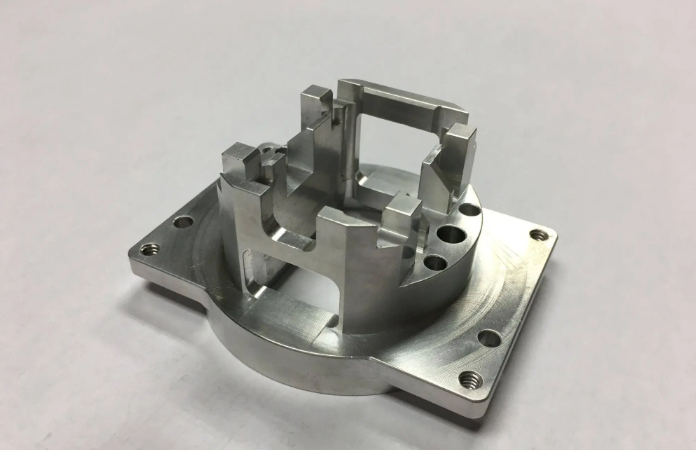
 Small batches, high standards. Our rapid prototyping service makes validation faster and easier —
  EN
EN


تصنيع القطع المقطوعة بالليزر مُفسَّر: النقاط الجوهرية للاستيراد الذكي
فهم أساسيات التصنيع باستخدام قص الليزر
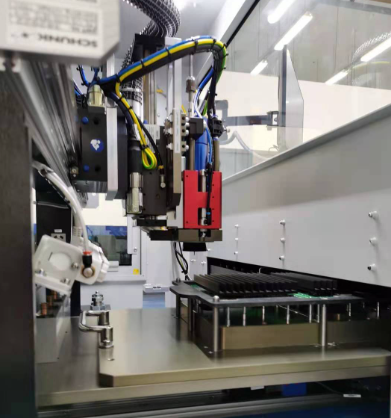
ماذا لو أمكنك تقطيع الفولاذ بدقة شفرة الجراح؟ هذا بالضبط ما يوفّره التصنيع باستخدام قص الليزر. وهذه الطريقة المتقدمة في التصنيع تستخدم حزمة ضوئية مركَّزة للغاية لتتبخير أو إذابة أو حرق المواد بدرجة عالية من الدقة. وفي أضيق نقطة لها، يبلغ قطر حزمة الليزر أقل من ٠٫٣٢ مم، وبعض الأنظمة تحقِّق عرض شق (Kerf) يصل إلى ٠٫١٠ مم فقط. وقد جعلت هذه الدقة الفائقة هذه التقنية لا غنى عنها في قطاعات صناعية متنوعة تشمل قطاع الفضاء والطيران وأجهزة التشخيص والعلاج الطبي.
إذن، ما المقصود بالقطع بالليزر من الناحية العملية؟ إنه تقنية حرارية لا تتطلب تلامسًا مباشرًا، وتُحوِّل المواد الأولية إلى مكونات جاهزة دون أن تلامَ أي قوة ميكانيكية سطح القطعة المُعالَجة. وعلى عكس طرق القطع التقليدية التي تعتمد على شفرات أو أدوات فيزيائية، فإن جهاز القطع بالليزر يستخدم طاقة الضوء المركَّزة لتحقيق حواف نظيفة وخالية من الحواف الزائدة (البروزات) مع أقل هدرٍ ممكن للمواد.
أصبحت معالجة المواد بالليزر تقنيةً أساسيةً في الصناعة الحديثة، مما يمكِّن من إنتاج منتجات تتراوح بين مكونات الطيران والفضاء المعقدة والإلكترونيات الدقيقة جدًّا، وبمستوى من التحكم والدقة يصعب تحقيقه باستخدام عمليات التصنيع التقليدية.
العلم الكامن وراء التصنيع بالضوء المركَّز
تعود الأسس الفيزيائية لهذه التقنية إلى نظرية ألبرت أينشتاين عام 1917 حول الانبعاث المحفز للإشعاع. فعندما تكتسب الإلكترونات طاقة كافية، تنتقل إلى مستويات طاقة أعلى وتُصدر فوتونات. وقد تحقق هذا المبدأ عام 1960 عندما طوّر ثيودور مايمان أول ليزر عامل في مختبرات هيوز للأبحاث باستخدام بلورة ياقوت اصطناعية. وبحلول عام 1965، كان الباحثون في شركة ويسترن إلكتريك قد بدأوا بالفعل باستخدام ليزر ثاني أكسيد الكربون لحفر ثقوب في قوالب الماس، مما بشّر ببدء عصر القطع بالليزر الصناعي.
من الفوتونات إلى الأجزاء الدقيقة
إليك كيفية سير هذه العملية. فتولِّد آلة قطع الليزر شعاعها من خلال تفريغات كهربائية أو مصابيح تحفِّز مواد الليزر داخل وعاء مغلق. ويتم تضخيم هذه الطاقة عن طريق انعكاسها بين مرآتين داخليتين حتى تكتسب قوة كافية للانطلاق على هيئة ضوء متماسك أحادي اللون. وبعد ذلك، توجِّه المرآئي أو الألياف الضوئية هذا الشعاع عبر عدسة تركيز، مما يزيد من شدته إلى درجات حرارةٍ تكفي لتحويل المعدن الصلب إلى بخار.
ويُدار التشغيل الكامل بواسطة أنظمة التحكم العددي بالحاسوب (CNC) التي تتبع الأنماط المبرمجة بدقةٍ استثنائية في التكرار. وعندما تحتاج الشقوق إلى البدء بعيدًا عن حافة المادة، تُطبَّق عملية ثقب لإنشاء نقطة دخول. فعلى سبيل المثال، يمكن لليزر النبضي عالي القدرة أن يحرق صفائح الفولاذ المقاوم للصدأ بسماكة ١٣ مم خلال ٥ إلى ١٥ ثانية فقط.
كيف تحوِّل الطاقة المركزة المواد الأولية
ما الذي يجعل هذه التكنولوجيا متعددة الاستخدامات إلى هذا الحد في تصنيع المعادن؟ يكمن الجواب في التحكم الدقيق في المعايير. فبتعديل قوة الليزر ومدة النبضة وحجم البقعة، يمكن للمصنّعين ضبط العملية بدقة حسب نوع المادة وسمكها. وعادةً ما يرافق الشعاع تيار من غاز المساعدة، الذي يعمل على إزالة المادة المنصهرة تاركًا سطحًا عالي الجودة.
تُهيمن تكنولوجيا قص الليزر الحديثة اليوم على التصنيع الدقيق لأنها توفر ما لا تستطيع الطرق التقليدية تحقيقه من قدرات آلة قص الليزر: مرونة تعتمد على البرمجيات، وانعدام اهتراء الأدوات، والقدرة على التبديل الفوري بين أنماط القص المعقدة. ومن أول ليزر рубين إلى أنظمة الألياف الحديثة، تطورت هذه التكنولوجيا لتصبح العمود الفقري للتصنيع المعاصر، مما يمكّن من إنتاج كل شيء بدءًا من الدعامات الطبية الدقيقة وحتى المكونات الصناعية الثقيلة.
أنواع تكنولوجيا الليزر وتطبيقاتها التصنيعية
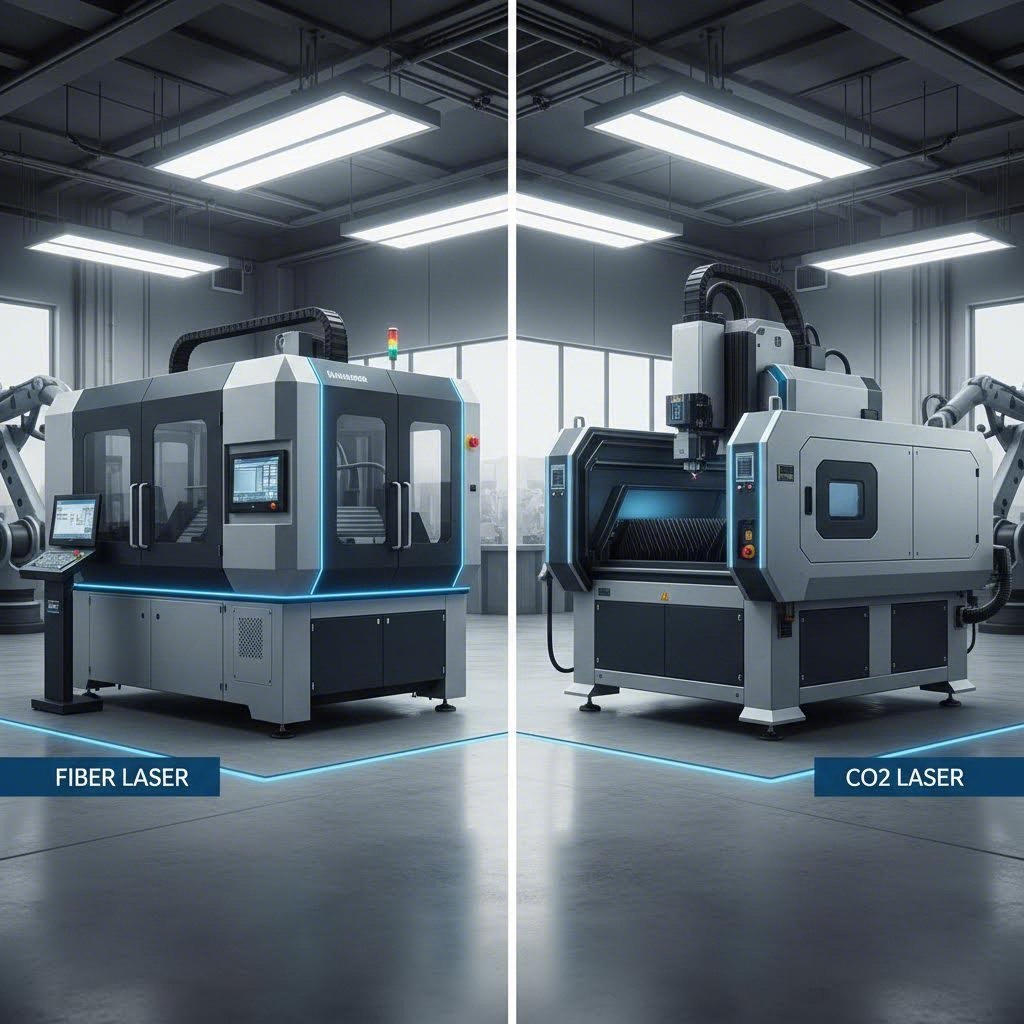
هل سبق أن تساءلت يومًا لماذا تستخدم بعض ورش التصنيع أنظمة ليزر مختلفة لمختلف المهام؟ يكمن الجواب في الخصائص المميَّزة لكل نوع من أنواع الليزر. ويساعد فهم هذه الاختلافات في مطابقة التكنولوجيا المناسبة مع متطلبات مشروعك، سواء كنت تقوم بقطع صفائح الألومنيوم العاكسة أو معالجة صفائح الصلب الكربوني السميكة. ولنُفصِّل الآن ثلاث فئات رئيسية لتكنولوجيا قطع الليزر التي تهيمن على التصنيع الحديث.
المزايا التي تمنحها أنظمة الليزر الأليافية لمعالجة المعادن
عندما تكون السرعة والكفاءة هما الأولوية القصوى، قطع الليزر بالألياف البصرية يتفوق بوضوح على المنافسين. وتستخدم هذه الأنظمة أليافًا بصرية مُشَبَّعة بعناصر أرضية نادرة مثل الإتريوم لتكوين شعاع الليزر ونقله. والنتيجة؟ جهاز قطع ليزري صناعيٌّ مدمجٌ وقويٌّ للغاية، ويتميَّز بكفاءة استثنائية في معالجة المعادن.
إليك أبرز ما يجعل الليزر الأليفي الخيار المفضَّل في تطبيقات آلات قطع الليزر للمعادن:
- كفاءة طاقوية فائقة: تعمل الليزرات الليفية بكفاءة تزيد عن ٩٠٪ مقارنةً بنسبة ٥–١٠٪ فقط لأنظمة ثاني أكسيد الكربون، ما يعني أنها تستهلك طاقة كهربائية أقل بكثير للحصول على نفس القدرة الناتجة
- عمر افتراضي مطوَّل: وبما أن العمر التشغيلي المتوقع للليزرات الليفية يصل إلى حوالي ١٠٠٠٠٠ ساعة، فإنها تفوق أنظمة ثاني أكسيد الكربون في المدة الزمنية بمقدار عشرة أضعاف
- إنتاجية أعلى: ووفقًا للمقارنة الفنية التي أجرتها شركة Xometry، فإن آلات الليزر الليفي تحقق إنتاجية تتراوح بين ٣ و٥ أضعاف إنتاجية آلات ثاني أكسيد الكربون المماثلة في القدرات عند تنفيذ المهام المناسبة لها
- جودة أفضل للشعاع: وتتيح الحزم الأكثر استقرارًا وأضيق قطرًا تركيزًا أدقَّ ودقة قصٍّ فائقة
- المساحة المدمجة: وتؤدي متطلبات التبريد الأقل والمولدات الأصغر حجمًا إلى جعل هذه الأنظمة فعّالة من حيث المساحة
ويُظهر تطبيق آلة قص الألمنيوم بالليزر مزايا تقنية الليزر الليفي بشكلٍ مثالي. فالمعادن العاكسة — التي قد تتسبب في تلف أنظمة ثاني أكسيد الكربون — لا تشكّل أي مشكلة أمام الليزر الليفي. وينطبق الأمر نفسه على النحاس الأصفر والنحاس والتيتانيوم والفولاذ المقاوم للصدأ. فإذا كانت مشاريعك تتضمّن استخدام آلة قص صفائح معدنية بالليزر لمعالجة معادن سمكها أقل من ٢٠ مم، فإن تقنية الليزر الليفي عادةً ما تحقّق أفضل النتائج.
تطبيقات الليزر CO2 ومدى المواد التي يمكن معالجتها به
لا تستبعدوا ليزرات CO2 بعدُ. فهذه الأنظمة الموثوقة قد كسبت مكانتها في مجال التصنيع لأسباب وجيهة. فهي تعمل عند طول موجي يبلغ 10.6 ميكرومتر (مقارنةً بطول موجة الليزر الليفي الذي يبلغ 1.064 ميكرومتر)، ما يجعل تفاعل أنظمة CO2 مع المواد مختلفًا، وبالتالي فهي مثالية لتطبيقات محددة.
تتفوق ليزرات CO2 عند التعامل مع:
- المواد غير المعدنية: الأكريليك، والميلامين، والورق، والميْلار، والمطاط، والجلد، والنسيج، والفلين، والخشب الرقائقي
- البلاستيك الهندسي: مادة الدلرين (POM)، والبولي كربونات، والألياف الزجاجية
- الصفائح المعدنية السميكة: معالجة المواد التي يتجاوز سمكها 10–20 مم، حيث توفر هذه الليزرات قطعًا أسرع على الخطوط المستقيمة وتشطيبًا سطحيًّا أكثر نعومة
- المواد المتخصصة: Mother of pearl، وكوريان، والكرتون الكثيف
لعمليات معالجة الصفائح الثقيلة، يضيف المشغلون غالبًا أكسجين مساعدًا لتسريع سرعات القطع. ويمكن لأنظمة ثاني أكسيد الكربون (CO2) معالجة صفائح الفولاذ بسماكة تصل إلى ١٠٠ مم مع الإعداد المناسب. كما أن انخفاض التكلفة الأولية لها يجعلها جذّابة للمصانع التي تتطلب تنوعًا في المواد المُعالَجة. وتقدّم شركات التصنيع الرائدة مثل أنظمة الليزر من شركة ترومف (Trumpf) خيارات ليزر CO2 وألياف، مع إدراكٍ منها بأن كل تقنية تخدم احتياجات سوقٍ مُختلفة.
اختيار مصدر الليزر المناسب لمشروعك
إن الاختيار بين تقنيات الليزر ليس مسألة العثور على الخيار "الأفضل". بل هو مسألة مطابقة القدرات مع متطلباتك الخاصة. وعند تقييم ليزر لتطبيقات آلات القطع، فكّر في العوامل التالية:
| خاصية | الليزر المصنوع من الألياف | ليزر CO2 | ليزر Nd:YAG |
|---|---|---|---|
| التوافق المادي | المعادن (بما فيها المعادن العاكسة)، الزجاج، الأكريليك، وبعض أنواع الرغوة | المواد غير المعدنية، والمعادن غير الحديدية، وصفائح المعادن السميكة | المعادن، والسيراميك، والبلاستيك، ومجموعة واسعة من التطبيقات |
| سرعة القطع | الأسرع في قطع المعادن الرقيقة (أقل من ٢٠ مم) | أسرع في قطع المواد السميكة (أكثر من ١٠ مم) | متوسطة، ومناسبة للعمل الدقيق |
| مستوى الدقة | الأعلى (جودة حزمة ضوئية محدودة بالحيود) | جيد (حجم بقعة أكبر) | ممتاز للقطع الدقيق والتفصيل |
| تكاليف التشغيل | الأدنى (كفاءة تزيد عن ٩٠٪، وصيانة دنيا) | الأعلى (كفاءة تتراوح بين ٥٪ و١٠٪، واستهلاك أعلى للطاقة) | متوسط (يتطلب استبدال مصباح الفلاش) |
| عمر المعدات | ~100,000 ساعة | ~25,000 ساعة | أقل، ويحتاج إلى صيانة دورية |
| التكلفة الأولية | أعلى بـ 5-10 مرات من CO2 | استثمارات أولية أقل | متوسط |
| تطبيقات مثالية | الصناعات automobile، وورش التصنيع، ومعالجة المعادن بكميات كبيرة | اللافتات، وقطع الصفائح السميكة، وورش معالجة المواد المختلطة | الأجهزة الطبية، وقطاع الطيران والفضاء، والمجوهرات، والمكونات الدقيقة |
يجب الإشارة إلى ليزرات النيوديميوم-يتربيوم ألومينيوم جارنيت (Nd:YAG) لتطبيقاتها المتخصصة. وتُعد هذه الأنظمة الحالة الصلبة التي تستخدم بلورات يتربيوم ألومينيوم جارنيت المُطعَّمة بأيونات النيوديميوم. وعلى الرغم من أنها تفتقر إلى مزايا سرعة تقنية الليزر الليفي، فإنها توفر جودة شعاع استثنائية للأعمال الدقيقة. وغالبًا ما تختار شركات تصنيع الأجهزة الطبية وشركات قطاع الطيران والفضاء أنظمة Nd:YAG عندما تكون الدقة أولويةً على سرعة الإنتاج.
يعتمد قرارك في النهاية على المواد الأساسية التي تستخدمها، وحجم الإنتاج، ومتطلبات الدقة. وعادةً ما تستفيد ورش المعادن ذات الإنتاج العالي بشكل أكبر من كفاءة وسرعة تقنية الألياف. أما العمليات التي تتعامل مع مواد متنوعة أو تلك التي تعالج الصفائح السميكة فقد تجد أنظمة الليزر CO2 أكثر عمليةً. وقد تبرر التطبيقات المتخصصة التي تتطلب أعلى درجات الدقة على مواد متنوعة الاستثمار في أنظمة الليزر Nd:YAG، رغم متطلبات الصيانة الأعلى لها.
إن فهم هذه الاختلافات التكنولوجية يمكّنك من تقييم قدرات المورِّدين بشكل أكثر فعالية. لكن نوع الليزر ليس سوى عاملٍ واحدٍ من العوامل المؤثرة في تحقيق نتائج عالية الجودة. فالدقة والقدرات المتعلقة بالتسامح (الانحراف المسموح) التي يوفّرها كل نظام هي التي تحدد ما إذا كانت القطع النهائية تفي بمتطلبات المواصفات أم لا.
الدقة وقدرات التسامح في قطع الليزر
ما مدى دقة التحملات المسموح بها في قص الليزر فعليًّا؟ وعندما تتطلّب مواصفات المشروع أبعادًا دقيقة جدًّا، يصبح فهم القدرات الدقيقة لهذه التقنية أمرًا بالغ الأهمية. وتتراوح دقة قص الليزر عادةً بين ±٠٫٠٥ مم و±٠٫٢ مم (٠٫٠٠٢ إلى ٠٫٠٠٨ بوصة)، مع إمكانية تحقيق تحكم أكثر دقة باستخدام الأنظمة المتقدمة. ووفقًا لـ التوثيق الفني من Accurl تبلغ الدقة البُعدية عادةً ±٠٫٠٠٥ بوصة، بينما قد تصل عرض الشق (Kerf) إلى ٠٫٠٠٤ بوصة فقط، وذلك حسب قوة الليزر وسُمك المادة.
ولكن إليكم ما لا يدركه الكثيرون من المشترين: إن تحملات قص الليزر ليست مواصفةً ثابتةً. بل إنها تتفاوت تبعًا لنوع المادة التي تختارونها، ولتقنية الليزر المستخدمة، وعدة عوامل تشغيلية أخرى تؤثر مباشرةً في الأبعاد النهائية للقطع.
مواصفات التحمل حسب نوع المادة
تتفاعل المواد المختلفة بشكل فريد مع طاقة الليزر، مما يُنتج ملفات تسامح مميزة لكل ركيزة. وتؤثر عوامل مثل الانعكاسية، والتوصيل الحراري، ونقطة الانصهار في دقة تشكُّل الحواف المقطوعة. وفيما يلي ما يمكن توقعه عند قطع المواد التصنيعية الشائعة:
| المادة | نطاق التسامح النموذجي | نوع الليزر | الاعتبارات الرئيسية |
|---|---|---|---|
| الفولاذ الطري | ±0.003 إلى ±0.005 بوصة | ليفي أو CO2 | استجابة ممتازة؛ نتائج متسقة عبر نطاقات السماكة المختلفة |
| فولاذ مقاوم للصدأ | ±0.003 إلى ±0.005 بوصة | يُفضل الألياف | يتطلب طاقة أعلى؛ ويحافظ على الدقة مع ضبط الإعدادات المناسبة |
| كعنصر أساسي في منتجاتها. | ±0.003 إلى ±0.005 بوصة | مطلوب الألياف | تتطلب الانعكاسية العالية معايير متخصصة؛ وإدارة الحرارة أمرٌ بالغ الأهمية |
| أكريليك | ±٠٫٠٠٢ إلى ±٠٫٠٠٥ بوصة | CO2 | يتم القص بسلاسة مع حواف مصقولة؛ ونتائج ممتازة لقطع الليزر بدقة عالية |
| بلاستيك آخر | ±0.005 إلى ±0.010 بوصة | CO2 | نتائج متغيرة؛ وقد تذوب بعض المواد أو تشوه، مما يؤثر على الدقة |
| الخشب | ±0.010 إلى ±0.020 بوصة | CO2 | تؤدي الكثافة المتغيرة إلى عدم الاتساق في القطع الرقيقة أو المعقدة |
لأقصى متطلبات التحمل الدقيق لآلات قص الليزر، تُقدِّم أنظمة الليزر الأليافية باستمرار نتائج متفوِّقة على المعادن. وفقًا لمواصفات شركة A-Laser، فإن أنظمة الليزر الأليفي تحقِّق تحملات تتراوح بين ±٠٫٠٠١ و±٠٫٠٠٣ بوصة، في حين تصل أنظمة ليزر ثاني أكسيد الكربون (CO2) عادةً إلى تحملات تتراوح بين ±٠٫٠٠٢ و±٠٫٠٠٥ بوصة. أما أنظمة ليزر الأشعة فوق البنفسجية (UV) فتدفع الحدود أبعد من ذلك، حيث تحقِّق تحملات تصل إلى ±٠٫٠٠٠١ بوصة في تطبيقات التشغيل الميكروي.
العوامل المؤثرة في دقة القص
إن تحقيق قصٍ دقيق يتطلب أكثر من مجرد اختيار نوع الليزر المناسب. فعدة متغيرات مترابطة تحدد ما إذا كانت الأجزاء النهائية تتوافق مع المواصفات البُعدية أم لا:
- جودة العدسة ومحاذاة العدسة: تركِّز العدسات عالية الجودة شعاع الليزر إلى أصغر حجم ممكن للبقعة. وحتى أصغر درجة من سوء المحاذاة تؤدي إلى انخفاض دقة القص، مما يجعل الصيانة الدورية أمرًا بالغ الأهمية.
- تباين سماكة المادة: قد تختلف صفائح المعدن من دفعة إلى أخرى بشكل طفيف في السماكة. وتتطلب الأجزاء الأكثر سماكة طاقةً أكبر وقد تؤدي إلى عرض شقٍّ أوسع.
- القدرة على导الحرارية: المواد التي تبدد الحرارة بسرعة (مثل الألومنيوم والنحاس) تتطلب إعدادات طاقة أعلى للحفاظ على سرعة القطع دون التأثير على جودة الحواف
- الانعكاسية: يمكن للأسطح العاكسة بشدة أن تعكس طاقة الليزر بعيدًا عن منطقة القطع، مما يتطلب إعدادات متخصصة أو تقنية ليزر الألياف لتحقيق حواف مقطوعة بدقة عالية
- معايرة الجهاز: تضمن مشفرات الدقة العالية وخوارزميات التحكم المتطورة اتباع رأس الليزر للمسارات المبرمجة بدقة تصل إلى مستوى الميكرون. أما الأنظمة المزودة بميزات المعايرة الذاتية فتحافظ على أداءٍ ثابتٍ مع مرور الوقت
- ظروف البيئة: يمكن لتقلبات درجة الحرارة والاهتزاز وحتى الرطوبة أن تؤثر تأثيرًا خفيًّا على دقة القطع، لا سيما في التطبيقات التي تتطلب أضيق التحملات
تحقيق دقة على مستوى الميكرون في الإنتاج
ما المتطلبات اللازمة لتحقيق ذلك باستمرار إنتاج القطع بدقة قطع الليزر على مستوى الميكرون؟ يمكن للأنظمة الحديثة التركيز حتى 10–20 ميكرون، مما يمكّن من تحقيق تفاصيل معقدة لا تستطيع طرق القطع الميكانيكية مطابقتها أبدًا. وتُعد هذه القدرة بالغة الأهمية في قطاعات الطيران والفضاء والإلكترونيات وتصنيع الأجهزة الطبية، حيث تكون المعايير الدقيقة غير قابلة للتفاوض.
لتحقيق أقصى درجة من دقة قطع الليزر في مشاريعك، ضع في اعتبارك هذه الأساليب العملية:
- حسِّن ملفات التصميم: تقلل الرسومات المتجهة النظيفة ذات وضع العُقد المناسبة من أخطاء المعالجة وتحسّن جودة القطع
- اخسر تعويض الشق (kerf): وبما أن شعاع الليزر يزيل المادة أثناء عملية القطع، فيجب أن يراعي التصميم عرض الشق (Kerf) لتحقيق الأبعاد المستهدفة
- حدد تحملات المادة: اطلب من الموردين شهادة توثّق سماكة الصفائح لتصغير التباين بين الأجزاء
- اطلب قطع عينات تجريبية: قبل البدء في الإنتاج الكامل، تحقَّق من العينات المُقطَّعة ما إذا كانت التحملات الم log Achieved تتوافق مع مواصفاتك
- تعاون مع مرافق معتمدة: تقوم المتاجر التي تمتلك أنظمة قوية لإدارة الجودة بإجراء معايرة منتظمة والحفاظ على تحكم أدق في العمليات
وبالمقارنة مع طرق القطع التقليدية، يظل مدى التحمل في قطع الليزر أضيق بكثير. فعادةً ما يحقق قطع البلازما فقط ±0.020 بوصة، بينما تُدخل أدوات القطع الميكانيكية تباينًا ناتجًا عن اهتراء الأداة والقوة الفيزيائية المؤثرة. ويُفسِّر هذا الميزة الدقيقة سبب هيمنة تقنية الليزر في التطبيقات التي تتطلب أشكالًا معقدة وقابلية تكرار عالية.
إن فهم هذه القدرات الدقيقة يساعدك على وضع توقعات واقعية أثناء تخطيط المشروع. لكن مدى التحمل ليس سوى جزءٍ واحدٍ من اللغز. فالمواد التي يمكن معالجتها فعليًّا عبر أنظمة الليزر هي ما يحدد الإمكانيات المتاحة لتطبيقك المحدَّد.
المواد المتوافقة مع تصنيع القطع بالليزر
أي المواد التي يمكن قصها فعليًّا باستخدام جهاز القص بالليزر؟ هذه المسألة ذات أهمية بالغة، لأن الإجابة عنها تُحدِّد ما إذا كان قص الليزر مناسبًا لمتطلبات مشروعك. والخبر السار هو أن نطاق المواد القابلة للقص بالليزر واسعٌ جدًّا، بدءًا من أوراق المعادن الرقيقة جدًّا ووصولًا إلى صفائح الفولاذ الثقيلة، ومن الأكريليك الحساس جدًّا إلى البوليمرات الهندسية الصلبة. وبفهم المتطلبات الخاصة بكل مادة، يمكنك التخطيط لمشاريعك بكفاءة أكبر، والتواصل بوضوح مع شريكك في التصنيع بشأن المتطلبات المطلوبة.
وتؤثر عملية اختيار المادة في كل شيء: من نوع الليزر وسرعة المعالجة وجودة الحواف وحتى التكلفة النهائية. ولنتناول الآن الفئات الثلاث الرئيسية للمواد المتوافقة مع تقنية الليزر، وما الذي يميِّز كل فئة منها في عملية القص.
قدرات قص المعادن: من الصفائح الرقيقة جدًّا إلى الصفائح الثقيلة
تمثل المعادن أكبر قطاع تطبيقي لتقنية قص الليزر الصناعي، ولسبب وجيه. فهذه التقنية قادرة على معالجة كل شيء بدءًا من الأعمال الزخرفية ذات السماكة الرقيقة وصولًا إلى معالجة الصفائح المعدنية الثقيلة البنائية. الأبحاث الصناعية وفقًا لـ، يمكن لمُقَصَّات الليزر الحديثة معالجة المعادن بسماكة تصل إلى ٥٠ مم، وذلك حسب نوع الليزر والسبيكة المحددة.
إليك ما يجب أن تعرفه عن صفائح المعادن المقطوعة بالليزر عبر السبائك الشائعة:
- الصلب المعتدل: أفضل معدن من حيث التسامح مع عمليات الليزر. ويُحقِّق قص الفولاذ اللين بالليزر جودة ممتازة للحواف مع أقل قدر ممكن من التعديل في المعايير التشغيلية. وتتعامل كل من أشعة الليزر الليفية وليزر ثاني أكسيد الكربون مع هذه المادة بكفاءة، وتتراوح القدرات القصية من الصفائح الرقيقة (الدرجة ٢٤ / ٠٫٦ مم) وحتى الصفائح الثقيلة التي تتجاوز سماكتها ٢٥ مم. كما أن غاز الأكسجين المساعد يُسرِّع عملية القص من خلال التفاعلات الطاردة للحرارة، ما يعزز الإنتاجية عند قص الأجزاء السميكة.
- الصلب غير القابل للصدأ: تتطلب قص الفولاذ المقاوم للصدأ بالليزر طاقة أعلى بسبب انعكاسية المادة وخصائصها الحرارية. وتتفوق الليزرات الأليافية في هذه المهمة، حيث تُعالج سماكات تصل إلى ٢٥ مم باستخدام غاز النيتروجين المساعد لمنع الأكسدة والحفاظ على حواف لامعة ونظيفة. والنتيجة؟ مقاومة فائقة للتآكل دون الحاجة إلى معالجة لاحقة بعد القص.
- الألومنيوم: يطرح قص الألومنيوم بالليزر تحديات فريدة نظراً لانعكاسيته العالية وتوصيله الحراري الجيد. ويُوصى بشدة باستخدام الليزرات الأليافية بدلًا من أنظمة الليزر CO2 لهذه المادة. ومع إعدادات مناسبة واستخدام غاز النيتروجين المساعد، يمكن تحقيق قص نظيف للألواح التي تصل سماكتها إلى ٢٠ مم. أما الألواح الأقل سماكة فتُقص بسرعة كبيرة وبجودة ممتازة للحواف.
- النحاس: يتميّز النحاس بانعكاسيته وموصلتيه الحرارية والكهربائية العالية، ما يستدعي استخدام تقنية الليزر الأليفي وضبط دقيق للمعايير. وتتراوح السماكات التي يمكن معالجتها عادةً بين ألواح زخرفية رقيقة وصولاً إلى حوالي ١٠ مم، وذلك حسب قدرة النظام المستخدم.
- النحاس: أصعب معدن شائع بسبب انعكاسيته الشديدة جدًا. ووفقًا للمواصفات الفنية، فإن الليزر الليفي عالي القدرة يتعامل مع النحاس بكفاءة، في حين تواجه أنظمة الليزر CO2 صعوبات في ذلك. ويمكن توقع قدرات معالجة تصل إلى ١٠ مم باستخدام المعدات المناسبة.
عند مراجعة المواصفات، يساعد جدول مقاييس السُمك في تحويل القياسات بين أنظمة القياس المختلفة. وللإيضاح، فإن مقاس ١٦ يعادل تقريبًا ١٫٥ مم، بينما يبلغ مقاس ١٠ حوالي ٣٫٤ مم. وتتطلب المواد الأسمك طاقة ليزرية أكبر وسرعات قطع أبطأ تناسبًا مع سماكتها للحفاظ على الجودة.
البلاستيكات الهندسية ومعالجة البوليمرات
وبعيدًا عن المعادن، يفتح الليزر CO2 آفاقًا واسعة أمام مجموعة واسعة من مواد البلاستيك. وتختلف سلوك كل بوليمر تحت تأثير طاقة الليزر، ما يجعل اختيار المادة أمرًا بالغ الأهمية لتحقيق نتائج ناجحة.
- الأكريليك (PMMA): النجم البارز بين البلاستيكيات. وتُنتج أشعة الليزر من نوع CO2 حوافًا مصقولة باللهب لا تحتاج إلى تشطيب ثانوي. وتصل القدرات في قطع السماكات إلى ٢٥ مم، مع دقة ممتازة وتشوه حراري ضئيل جدًّا. وهذا يجعل الأكريليك مثاليًّا للإشارات والمعارض والتطبيقات المعمارية.
- بولي كربونات: أكثر صعوبةً من الأكريليك بسبب ميله إلى التغير في اللون وإنتاج حواف خشنة أكثر. ويمكن قصه باستخدام الليزر، لكن قد يتطلّب ذلك معالجة لاحقة لأغراض جمالية. وهو الأنسب للأجزاء الوظيفية التي تكون المظهر فيها أقل أهميةً مقارنةً بالخصائص الميكانيكية.
- بلاستيك HDPE (بولي إيثيلين عالي الكثافة): يُقطَع بسلاسة باستخدام الإعدادات المناسبة، رغم أنه قد يذوب بدلًا من أن يتبخّر إذا لم تُحسَّن المعايير بدقة. ويُستخدم عادةً في حاويات آمنة للاستخدام مع الأغذية، وصهاريج المواد الكيميائية، والمكونات الصناعية.
- ديلرين (POM/أسيتال): هذه البلاستيكية من الدرجة الهندسية تُقَصُّ بدقةٍ عالية باستخدام الليزر، مما يُنتج حوافًا نظيفةً على المكونات الدقيقة. وتُعد خصائص استقرار أبعاد مادة «ديلرين» وانخفاض احتكاكها سببًا رئيسيًّا في انتشار استخدامها في التروس والبطانات والأجزاء الميكانيكية. وعادةً ما تصل القدرات القصوى للسمك إلى ١٠–١٥ مم مع الحصول على نتائج عالية الجودة.
- ABS: تُقَصُّ بشكلٍ معقولٍ، لكنها تُنتج أبخرةً ملحوظةً تتطلب نظام سحب قوي. ونوعية الحواف مقبولةٌ للأجزاء النموذجية وللمكونات الوظيفية.
تحذيرٌ هام: لا تحاول أبدًا قص مادة «بي في سي» (كلوريد البوليفينيل) باستخدام الليزر. فعند تسخين هذه المادة تطلق غاز الكلور السام، ما يشكّل مخاطر جسيمةً على الصحة ويؤدي إلى تلف المعدات. وتأكد دائمًا من تركيب المادة قبل معالجة أي بلاستيكيات غير مألوفة.
قطع المواد الخاصة والمركبة
يمتد قص الليزر ليشمل أكثر من المعادن والبلاستيكات القياسية ليشمل مواد أساسية متخصصة تخدم تطبيقات محددة:
- البوليمرات المقواة بألياف الكربون (CFRP): تتطلب هذه المواد المركبة عالية الأداء التحكم الدقيق في المعايير. وتتفاعل ألياف الكربون والمادة البوليمرية الرابطة مع طاقة الليزر بشكل مختلف، ما يستلزم استخدام تقنيات متخصصة لتقليل الانفصال الطبقي والتلف الناجم عن الحرارة. وتعتمد قطاعات الطيران والرياضة المحركية على معالجة الليزر لتصنيع مكونات الكربون المقوى بالبوليمر (CFRP) بدقة عالية.
- البوليمرات المدعمة بألياف الزجاج (GFRP): تشبه البوليمرات المدعمة بالزجاج في خصائصها التحديات المرتبطة بقطع الطبقات مثلما هو الحال مع مركبات الكربون المقوى بالبوليمر (CFRP). ويُحقَّق من خلال ضبط الإعدادات المناسبة منع سحب الألياف وتفتت الحواف.
- الخشب ومنتجات الخشب: تقطِّع أشعة الليزر من نوع CO₂ الخشب وتنقشه بجودةٍ استثنائية، رغم أن الاختلافات في كثافة الخشب تؤدي إلى تباين في النتائج. وتُعالَج الخشب الرقائقي، ولوح الألياف المتوسطة الكثافة (MDF)، والأخشاب الصلبة الصلبة بكفاءة عند السماكات التي تصل إلى ٢٥ مم. ويعتبر اسوداد الحواف ظاهرةً طبيعيةً، بل وقد يكون مرغوبًا في التطبيقات الجمالية.
- الجلود والمنسوجات: تصبح الأنماط المعقدة التي يتعذَّر تحقيقها باستخدام القطع الميكانيكي ممكنةً بفضل دقة الليزر. كما أن عملية المعالجة غير التلامسية تمنع تشويه المادة أثناء التصنيع.
- الورق والكرتون: عمل تفصيلي دقيق للغاية لنماذج التغليف والتطبيقات الفنية والمنتجات المتخصصة. وتمكّن متطلبات الطاقة المنخفضة من المعالجة بسرعات عالية.
يتطلب كل فئة من المواد أنواعاً محددة من الليزر وإعدادات القدرة وغازات المساعدة. وعموماً، تتطلب المعادن الليزرات الأليافية لتحقيق أفضل النتائج (وخاصة السبائك العاكسة)، في حين تُعالَج المواد غير المعدنية عادةً بكفاءة أعلى باستخدام أنظمة الليزر CO₂. ويُشكِّل هذا التمييز الأساسي قرارات المعدات ويؤثر في تحديد الموردين القادرين على تنفيذ مشاريعك المحددة.
والآن وبعد أن فهمتَ أي المواد يمكن معالجتها بتقنية الليزر، كيف تقارن هذه العملية بالطرق التصنيعية البديلة؟ ومعرفة الوقت الأنسب لاختيار قص الليزر بدلاً من الخيارات الأخرى يساعدك في تحسين الجودة والتكلفة معاً.
قص الليزر مقابل الطرق التصنيعية البديلة
هل يجب أن تعتمد دائمًا على قص الليزر لاحتياجات التصنيع لديك؟ ليس بالضرورة. فعلى الرغم من هيمنة تقنية الليزر في العديد من التطبيقات الدقيقة، فإن البدائل مثل القص بالبلازما، والقص بالماء عالي الضغط، والطحن باستخدام ماكينات التحكم العددي الحاسوبي (CNC)، والقص التقليدي بالقوالب تقدّم كلٌّ منها مزايا مميزة في سيناريوهات محددة. ويساعد فهم هذه الفروق بينها في اتخاذ قرارات أكثر ذكاءً بشأن المصادر، بحيث توازن بين متطلبات الجودة والقيود المفروضة على الميزانية.
وفقًا لـ مقارنة تقنيات شركة Wurth Machinery ، وقد يكلّفك اختيار جهاز قص CNC غير المناسب آلاف الدولارات هدرًا في المواد الضائعة وفقدان الوقت. والمفتاح يكمن في مطابقة تقنية القص مع متطلبات الوظيفة المحددة لديك. فلنُلقي نظرةً على كيفية أداء قص الليزر والطرق البديلة مقارنةً بالعوامل التي تهم مشاريعك أكثر ما يهم.
متى يكون القطع بالليزر أفضل من البدائل
يُوفِّر قص المعادن بالليزر مزايا واضحة عندما تتطلّب مشاريعك تفاصيل دقيقة، ومقاييس تشغيل ضيقة للغاية، وحوافًا نظيفة دون الحاجة إلى معالجة ثانوية. ويُنشئ الشعاع المركّز قطعًا دقيقة جدًّا غالبًا ما لا تحتاج إلى أي أعمال تشطيب إضافية. ولهذا السبب يُعتبر الليزر الخيار المفضَّل في الحالات التالية:
- معالجة الصفائح الرقيقة: تتم معالجة المواد التي يقل سمكها عن ١٠ مم باستخدام الليزر أسرع وأنظف مقارنةً بأنظمة البلازما أو القطع بالماء تحت الضغط العالي
- الهندسة المعقدة: الأنماط المعقدة، والثقوب الصغيرة، والزوايا الداخلية الحادة التي يصعب تحقيقها باستخدام الطرق الميكانيكية أو الحرارية البديلة
- الأجهزة الإلكترونية والأجهزة الطبية: التطبيقات التي تتطلب دقة قص على مستوى الميكرون
- إنتاج بكميات كبيرة: عندما تكون القابلية للتكرار والاتساق عبر آلاف القطع هي العامل الأهم
- احتياجات ما بعد المعالجة المحدودة: القطع التي تُرسل مباشرةً إلى مرحلة الطلاء أو الطلاء الكهروستاتيكي دون الحاجة إلى تنظيف
تؤكد الاختبارات التي أجراها خبراء في المجال أن قص الفولاذ والمعادن الرقيقة الأخرى باستخدام الليزر يُنتج نتائج متفوقةٍ بكثيرٍ عند الحاجة إلى تفاصيل دقيقة. وتتميَّز هذه التكنولوجيا عندما تكون الزوايا الحادة، والحافات الناعمة، والدقة الأبعادية شروطًا لا يمكن التنازل عنها.
تحليل الجدوى الاقتصادية عبر تقنيات القص
ينطوي كل أسلوب من أساليب القص على مقايضات بين الدقة، والسرعة، وقدرة المعالجة على مختلف المواد، والتكلفة. وفيما يلي مقارنة بين أبرز التقنيات وفقًا لعوامل اتخاذ القرار الرئيسية:
| عامل | قطع الليزر | قطع البلازما | قص الماء النفاث | آلة قطع القوالب | تصنيع باستخدام الحاسوب CNC |
|---|---|---|---|---|---|
| مستوى الدقة | ±0.003 إلى ±0.005 بوصة | ±٠٫٠٢٠ بوصة | ±0.003 إلى ±0.005 بوصة | ±0.005 إلى ±0.010 بوصة | ±٠٫٠٠١ إلى ±٠٫٠٠٥ بوصة |
| نطاق السماكة | حتى ٢٥ مم (المعادن) | أكثر من ٢٥ مم (الصفائح السميكة) | حتى ٣٠٠ مم (أي مادة) | للمواد رقيقة العيار فقط | غير محدودة (عملية طرحية) |
| المنطقة المتأثرة بالحرارة | حد أدنى (٠٫٢–٠٫٥ مم) | كبير (عدة ملليمترات) | لا يوجد (قطع بارد) | لا شيء (ميكانيكي) | الحد الأدنى |
| جودة الحافة | ممتاز، وغالبًا خالٍ من الحواف البارزة | جيد، قد يحتاج إلى طحن | ممتازة، النهاية السلسة | جيد للقطع المستقيم | ممتازة مع الأدوات المناسبة |
| سرعة القطع | سريع للمواد الرقيقة | الأسرع للمعادن السميكة | الأبطأ بشكل عام | سريع جدًّا عند معالجة كميات كبيرة | الأبطأ (عملية الإزالة) |
| تكلفة المعدات | $200,000-$500,000+ | ~$90,000 | ~$195,000 | ١٠٬٠٠٠–١٠٠٬٠٠٠ دولار أمريكي + تكاليف القوالب | $50,000-$500,000+ |
| تكلفة التشغيل | متوسط | أقل تكلفة لكل قدم | أعلى (تكاليف المواد الكاشطة) | الأدنى بالنسبة للكميات العالية | أعلى (تآكل الأدوات) |
| مجموعة المواد | المعادن، والبلاستيك، والخشب | المعادن الموصلة فقط | شاملة تقريبًا | مواد الصفائح | شاملة تقريبًا |
تصبح تقنية القطع بالبلازما الخيار الأمثل عند التعامل مع المعادن الموصلة السميكة مثل صفائح الفولاذ التي يزيد سمكها عن ٢٥ مم. وتُظهر الاختبارات الصناعية أن البلازما تقطع صفيحة فولاذية بسماكة بوصة واحدة أسرع بثلاثة إلى أربعة أضعاف مقارنةً بالقطع بالماء عالي الضغط، كما أن تكاليف التشغيل تبلغ نحو نصف التكلفة لكل قدم. ولتطبيقات تصنيع الهياكل الفولاذية، وإنتاج المعدات الثقيلة، وبناء السفن، توفر تقنية البلازما أفضل كفاءة من حيث السرعة والتكلفة.
تتفوق تقنية قطع المياه عندما يجب تجنب أضرار الحرارة تمامًا. ويعكس النمو المتوقع للسوق ليتجاوز 2.39 مليار دولار أمريكي بحلول عام 2034 القدرة الفريدة لتقنية قطع المياه في قطع أي مادة تقريبًا دون التأثيرات الحرارية. فتُعالَج الحجر والزجاج والمركبات المركبة المستخدمة في مجال الطيران والمعادن الحساسة للحرارة جميعها بوضوحٍ تام عبر هذه الطريقة الباردة للقطع.
مطابقة طريقة التصنيع مع متطلبات المشروع
كيف تقرر أي تقنية لآلات قطع المعادن تناسب تطبيقك المحدد؟ ضع في اعتبارك هذه المعايير العملية لاتخاذ القرار:
اختر قطع الليزر عندما:
- سمك المادة يقل عن 10–15 مم بالنسبة للمعادن
- تتطلب التحملات الدقيقة (أقل من ±0.005 بوصة)
- تتميز الأجزاء بتفاصيل معقدة أو ثقوب صغيرة أو زوايا حادة
- يكتسب نظافة الحواف أهميةً جماليةً أو وظيفيةً
- تحسّن أحجام الإنتاج من مزايا الكفاءة التي توفرها هذه التقنية
اختر قطع البلازما عندما:
- معالجة صفائح الفولاذ أو الألومنيوم السميكة (أكثر من 12 مم)
- تكتسب السرعة أهميةً أكبر من جودة الحواف الدقيقة للغاية
- تُفضل القيود المالية تكاليفاً أقل في المعدات والتشغيل
- ستخضع الأجزاء للحام أو الجلخ بغض النظر عن جودة القطع
اختر القطع بتيار الماء عندما:
- المناطق المتأثرة بالحرارة غير مقبولة (في قطاعات الطيران الفضائي والطب)
- معالجة المواد غير المعدنية مثل الحجر أو الزجاج أو المواد المركبة
- سماكة المادة كبيرة جدًا (أكثر من ٥٠ مم)
- قطع السبائك العاكسة أو الغريبة التي تشكل تحديًّا للعمليات الحرارية
اختر القطع بالقالب عندما:
- إنتاج أعداد كبيرة جدًا من الأجزاء المتطابقة
- أشكال بسيطة دون ملامح داخلية معقدة
- مواد رقيقة السُمك حيث تُوزَّع تكلفة القالب وإعادة تجهيزه على إنتاج كميات كبيرة
- يكون السرعة هي العامل الحاسم ومتطلبات الدقة معتدلة
اختر الطحن باستخدام CNC عندما:
- إنشاء ميزات ثلاثية الأبعاد، أو جيوب، أو أسطح منحنية
- العمل مع مواد خام سميكة للغاية
- متطلبات تشطيب السطح تفوق ما يمكن تحقيقه باستخدام قص اللهب أو القص بالبلازما
- الأجزاء تتطلب عمليات قص وتشغيل آلي معًا
وفقًا لـ المتخصصون في التصنيع ومع ذلك، يُوفِّر قص الليزر تحملات دقيقة جدًّا، مما يجعله مثاليًّا للمشاريع التي تتطلب الدقة والموثوقية والتعقيد. أما القص بالقالب فيتعامل بكفاءة تكلفة مع نطاق أوسع من سماكات المعادن عندما يمكن توزيع تكلفة الأدوات على أحجام الإنتاج.
تدمج العديد من ورش التصنيع الناجحة في نهاية المطاف تقنيات متعددة، وتبدأ بالأنظمة التي تعالج أكثر مشاريعها شيوعًا. وبمرور الوقت يلاحظ الخبراء في المجال فليس كل شخص يقص جميع أجزائه باستخدام تقنية واحدة فقط. وتقوم الشركات بتصدير بعض المهام إلى جهات خارجية لأنها لا تستطيع إنجازها جميعًا داخليًّا بكفاءة.
النتيجة النهائية؟ اختر طريقة القطع التي تتناسب مع متطلباتك المحددة: أنواع المواد، ومدى السماكات، ومستويات الدقة المطلوبة، والقيود المفروضة على الميزانية. وباختيار التكنولوجيا المناسبة، فإنك تحقّق أقصى قدر ممكن من الجودة والكفاءة التكلفة في آنٍ واحد، مع الالتزام الكامل بالمواصفات الدقيقة المطلوبة.
وبمجرد اختيار طريقة القطع المناسبة، يصبح فهم سير العمل الكامل — بدءاً من ملف التصميم وانتهاءً بالقطعة المُصنَّعة — أمراً جوهرياً. وتتناول الخطوة التالية كيفية انتقال مشاريع قطع الليزر من الفكرة إلى مرحلة الإنتاج، بما في ذلك الاعتبارات الحاسمة مثل تعويض عرض الشق (Kerf Compensation) وخيارات المعالجة اللاحقة.
سير عمل عملية قطع الليزر الكاملة
ما الذي يحدث بين رفع ملف التصميم واستلام الأجزاء المُصنَّعة؟ إن فهم سير عملية قطع الليزر الكاملة يساعدك على إعداد ملفات تصميم أفضل، والتواصل بوضوح حول المتطلبات، والتنبؤ بالمشكلات المحتملة قبل أن تؤثر على جدول تنفيذ مشروعك. فكل مرحلة — من التصميم الأولي وحتى التشطيب النهائي — تؤثر في جودة المكونات وتكلفتها.
إليك سير العمل خطوة بخطوة الذي يحوّل تصاميمك الرقمية إلى أجزاء مقطوعة بدقة:
- إنشاء ملف التصميم: أنشئ رسومات متجهة باستخدام برامج التصميم بمساعدة الحاسوب (CAD)، مع التأكد من تحويل جميع العناصر الهندسية إلى مسارات
- تحسين الملفات: نظّف العُقد، وتحقق من الأبعاد، ورتب الطبقات حسب نوع القطع (قطع، نقش، تخطيط)
- الترتيب والتنظيم على اللوح: رتّب الأجزاء بكفاءة على ورقة المادة لتقليل الهدر قدر الإمكان
- تكوين المعايير: عيّن شدة الليزر، والسرعة، وغاز المساعدة وفقًا لنوع المادة وسمكها
- تعويض عرض القطع (Kerf): عدّل الشكل الهندسي لمراعاة كمية المادة التي تزيلها حزمة الليزر
- تنفيذ القطع: يوجّه نظام التحكم العددي المحوسب (CNC) رأس الليزر عبر المسارات المبرمجة
- المعالجة اللاحقة: أزل الأجزاء، وقم بإزالة الحواف الحادة، وطبّق المعالجات النهائية حسب الحاجة
إعداد ملف التصميم وتحسينه
جودة ملف تصميمك تؤثر مباشرةً على نتائج القص. وفقًا لـ إرشادات سير العمل الصناعية يبدأ القص بالليزر بنجاحٍ مع تصاميم مُتجهَّة بشكلٍ صحيح ومُحفوظة بصيغة SVG أو DXF. وتُحوَّل هذه التنسيقات المتجهة مباشرةً إلى رمز G-code الذي يتحكم في حركات الليزر.
وهذا ما يجعل ملفات التصميم جاهزة للإنتاج:
- حوِّل كل العناصر إلى مسارات: يجب أن تصبح النصوص والأشكال والصور المستوردة مسارات متجهة قبل إجراء عملية القص
- عيّن حجم المستند ليتطابق مع حجم المادة: وهذا يساعد في تحديد مواضع التصاميم بدقة وتصور المساحة المتاحة
- استخدم الترميز اللوني: عيّن ألوانًا لتمييز خطوط القطع (عادةً باللون الأحمر)، ومناطق النقش (باللون الأزرق أو الأسود)، وخطوط التقطيع (باللون الأخضر)
- املأ المناطق بأنماط التهشير: لمناطق النقش، أنشئ مسارات متراصة بإحكام (بمسافة ٠٫٢٥ مم بينها، وهي مسافة مناسبة جدًّا) تتبعها شعاع الليزر لملء المنطقة
- احرص على تباعد هندسة القطع بشكل مناسب: وفقًا لأفضل الممارسات التصميمية، احرص على الحفاظ على مسافة لا تقل عن ضعف سماكة الورقة بين ملامح القطع لمنع التشوه
يؤثر تحسين الترتيب (التنصيب) داخل الصفيحة تأثيرًا كبيرًا على تكاليف المواد. فترتيب الأجزاء بكفاءة على المادة الصفيحية يقلل من نسب الهدر، وأحيانًا بنسبة ١٥–٢٥٪ مقارنةً بالتصاميم غير المُحسَّنة. وتستخدم العديد من ورش التصنيع برامج تخصيصية للترتيب الآلي للأجزاء لتحقيق أقصى استفادة ممكنة من المادة.
فهم مفهوم الانحراف الناتج عن القطع (Kerf) واستراتيجيات التعويض عنه
ما المقصود بالفعل بمصطلح «كيرف»، ولماذا يُعتبر مهمًا؟ يشير مصطلح «كيرف» إلى عرض المادة التي تُزال أثناء عملية القطع. ووفقًا لمواصفات التصنيع، يتراوح عرض «كيرف» عادةً بين ٠٫١ مم و١٫٠ مم، وذلك حسب نوع المادة وعوامل القطع.
تخيل أنك تقوم بقطع مربع بطول ضلعه ٥٠ مم من صفائح معدنية. فإذا كان قياس «كيرف» لديك ٠٫٣ مم، فإن الأبعاد الفعلية للقطعة النهائية ستكون تقريبًا ٤٩٫٧ مم لكل ضلع دون إجراء أي تعويض. وفي التطبيقات الدقيقة، يكون لهذا الفرق أهمية كبيرة.
تشمل استراتيجيات التعويض عن «كيرف» ما يلي:
- ضبط الإزاحة: تحريك مسارات القطع إلى الخارج (للمحيط الخارجي) أو إلى الداخل (للثقوب) بمقدار نصف عرض «كيرف»
- التعويض البرمجي: تُطبِّق معظم برامج CAM التعويض عن «كيرف» تلقائيًّا استنادًا إلى القيم المُبرمَجة
- التحقق من القطع الاختباري: إجراء قطع تجريبية على المادة الفعلية لقياس الأبعاد المنفذة قبل بدء الإنتاج
تؤثر عدة عوامل على عرض الشق (Kerf): قوة الليزر، وسرعة القطع، وموضع التركيز، وضغط غاز المساعدة، والخصائص الحرارية للمادة. وبشكل عام، تؤدي المواد الأسمك والإعدادات الأعلى للطاقة إلى إنتاج شقوق أوسع. ويقوم المشغلون ذوو الخبرة بضبط المعايير لتقليل التباين في عرض الشق عبر دفعات الإنتاج.
خيارات ما بعد المعالجة: من إزالة الحواف غير المنتظمة إلى التشطيب النهائي
غالبًا ما تتطلب الأجزاء المقطوعة بالليزر خضوعها لعمليات معالجة إضافية قبل الاستخدام النهائي. وعلى الرغم من أن قطع الليزر يُنتج حوافًا أنظف مقارنةً بالقطع بالبلازما أو بالطرق الميكانيكية، فإن بعض التطبيقات تتطلب مزيدًا من التحسين.
تشمل عمليات ما بعد المعالجة الشائعة ما يلي:
- إزالة الحواف الحادة: إزالة العيوب الطفيفة على الحواف باستخدام تقنيات التدوير (Tumbling) أو التشطيب الاهتزازي (Vibratory Finishing) أو الأدوات اليدوية
- الثني: تشكيل الألواح المسطحة المقطوعة بالليزر إلى أشكال ثلاثية الأبعاد باستخدام آلات الثني الهيدروليكية (Press Brakes) أو آلات ثني الألواح (Panel Benders). وعند دمج عمليات الثني، يجب الحفاظ على مسافة كافية بين مناطق الثني والميزات المقطوعة لمنع التشوه
- لحام والتجميع: دمج مكونات متعددة مقطوعة بالليزر لتكوين تجميعات كاملة
- تشطيب السطح: تطبيق طبقات واقية أو زخرفية لتحسين المظهر والمتانة
تتفاوت خيارات التشطيب حسب المادة الأساسية ومتطلبات الاستخدام:
- طلاء البودرة: يتم تطبيق مسحوق جاف كهربائيًا سكونيًّا ثم تجفيفه بالحرارة لإنشاء طبقات نهائية متينة وجذّابة بألوان لا تُعدّ ولا تحصى. ويقدّم العديد من ورش التصنيع خدمة الطلاء بالمسحوق كجزء من حِزم التصنيع المتكاملة.
- التشطيب بالأكسدة: هذه العملية الكهروكيميائية تُكوّن طبقات أكسيد صلبة مقاومة للتآكل على أجزاء الألومنيوم. وتُحسّن عملية الأكسدة الكهربائية مقاومة التآكل كما تتيح إمكانية تلوين الأجزاء عبر امتصاص الصبغات.
- التصفية: توفر طلاءات الزنك أو النيكل أو الكروم حمايةً ضد التآكل وتحسّن المظهر الخارجي لمكونات الفولاذ.
- الطلاء: تظل أنظمة الدهان الرطب التقليدية فعّالة من حيث التكلفة في بعض التطبيقات ومتطلبات مطابقة الألوان.
وماذا عن استكشاف الأخطاء الشائعة في عمليات القطع وإصلاحها؟ يظهر نوعان من المشكلات بشكل متكرر:
تكوّن البقايا (dross): لتعريف الخبث، فهو المعدن الذي يعود إلى حالته الصلبة ويلتصق بالحافة السفلية للقطع. وعادةً ما ينتج الخبث عن سرعة قطع غير صحيحة، أو ضغط غاز المساعدة غير الكافي، أو وضع تركيز غير مناسب. وغالبًا ما تُحل مشاكل الخبث عبر خفض السرعة قليلًا، أو زيادة ضغط الغاز، أو تعديل نقطة التركيز، دون الحاجة إلى عمليات تنظيف ثانوية.
التشوه الحراري: قد تنحني المواد الرقيقة أو الأجزاء ذات الملامح الضيقة بسبب تراكم الحرارة أثناء عملية القطع. وتشمل استراتيجيات التخفيف من هذه المشكلة تحسين تسلسل القطع لتوزيع الحرارة، واستخدام أوقات ثقب أقصر، والسماح بفترات تبريد بين الأجزاء المُرتَّبة بشكل متجاور.
إن فهم هذه العملية الكاملة يساعدك على إعداد مواصفات أفضل وتحديد المشكلات المحتملة في وقت مبكر. لكن كيف تُطبَّق تقنية قطع الليزر فعليًّا في مختلف الصناعات؟ يستعرض القسم التالي تطبيقات واقعية تُبرز المرونة الاستثنائية لهذه التقنية.
تطبيقات الصناعات التي تُحرِّك الطلب على القطع بالليزر
أين تنتهي قطع المعادن بالليزر فعليًّا؟ من السيارة التي تقودها إلى الهاتف الموجود في جيبك، فإن المكونات المقطوعة بدقة بالليزر تحيط بك يوميًّا. ولقد جعلت هذه التكنولوجيا، بفضل مزيجها من الدقة والسرعة وإمكانية التكرار، نفسها ضروريةً في قطاعات التصنيع حول العالم. ووفقًا لـ الأبحاث الصناعية ، تمتد تطبيقات قطع الليزر إلى أكثر من اثنتي عشرة صناعةً distinct، حيث تستفيد كلٌّ منها من القدرات الفريدة لهذه التكنولوجيا لتلبية متطلباتها الخاصة.
فلنستعرض معًا كيف تطبِّق الصناعات الكبرى قطع الليزر لحل التحديات التصنيعية الحقيقية، بدءًا من النماذج الأولية الفردية ووصولًا إلى خطوط الإنتاج التي تصل أحجامها إلى ملايين الوحدات.
تصنيع مكونات السيارات على نطاق واسع
ويمثِّل قطاع السيارات أحد أكبر المستهلكين لمكونات القطع بالليزر. ولماذا ذلك؟ لأن المركبات الحديثة تتطلب أجزاءً دقيقةً تُنتج بكمياتٍ كبيرةٍ لا يمكن تحقيقها بتكلفةٍ فعَّالةٍ إلا عبر التصنيع الآلي.
- ألواح الهيكل والعناصر الإنشائية: يُوفِّر قص الليزر التحملات الضيقة المطلوبة لتحقيق ملاءمة ونهاية متسقة عبر دفعات الإنتاج. ويعتمد تصنيع الأجزاء المعدنية الورقية لإطارات الأبواب، وألواح الأرضيات، وأقواس التدعيم اعتمادًا كبيرًا على هذه التقنية.
- درع الحرارة وأنظمة العادم: تصبح الهندسات المعقدة في الفولاذ المقاوم للصدأ، والتي يتعذَّر تحقيقها باستخدام عملية الختم وحدها، ممكنةً من خلال معالجة الليزر.
- مكونات تنجيد الداخلية: تحافظ عناصر التزيين المعدنية المقطوعة بدقة، وشبكات مكبرات الصوت، والعناصر الزخرفية على مظهرٍ متسقٍ عبر خطوط المركبات المختلفة.
- تطوير النموذج الأولي: يستفيد تصنيع الفولاذ للمركبات النموذجية وبرامج الاختبار من المرونة التي يوفّرها قص الليزر لإنتاج أجزاء فردية دون الحاجة إلى استثمار في قوالب.
- قطع غيار بعد السوق: أقواس تخصيصية، ولوحات تثبيت، ومكونات أداء لمجالات تطبيق متخصصة.
يقدّر قطاع التصنيع المعدني الذي يخدم مصنّعي المركبات الآلية قصّ الليزر لقدرته على التحويل الفوري بين تصاميم الأجزاء. فعلى عكس عمليات الختم أو القص بالقوالب التي تتطلب تغيير أدوات باهظة الثمن، فإن أنظمة الليزر تنتقل من ملف تصميم إلى آخر في غضون ثوانٍ.
متطلبات الدقة في التطبيقات الجوية والفضائية
عندما لا يُسمح بحدوث أي فشل، يلجأ مصنعو المعدات الجوية والفضائية إلى قص الليزر للأجزاء التي يجب أن تستوفي مواصفات دقيقة جدًّا. وتتماشى متطلبات الصناعة الصارمة فيما يتعلّق بالتسامح البُعدي واحتياجاتها من التوثيق تمامًا مع القدرات التي يوفّرها تقنية الليزر.
- مكونات محركات التوربينات: أجزاء مصنوعة من سبائك مقاومة للحرارة وتتطلب دقةً على مستوى الميكرون لكي تؤدي وظيفتها بشكلٍ سليم عند درجات حرارةٍ قصوى
- عناصر الهيكل الطائرات: مكونات خفيفة الوزن من الألومنيوم والتيتانيوم، حيث يكتسب كل غرام أهميةً حاسمةً لتحسين كفاءة استهلاك الوقود
- وحدات إلكترونيات الطيران: غلاف دقيق لأنظمة الإلكترونيات تتطلّب أبعادًا مُحكمة وخصائص حماية من التداخل الكهرومغناطيسي (EMI)
- أجزاء الأقمار الصناعية والمركبات الفضائية: مكونات فريدة من نوعها تُستخدم في التطبيقات الفضائية، حيث يظل التكرار الدقيق عبر الدفعات الصغيرة أمرًا بالغ الأهمية
- مكونات داخلية لمقصورة الطائرة: لافتات معدنية مخصصة، ولوحات زخرفية، ومكونات وظيفية تفي بمتطلبات الاشتعال والوزن الصارمة
تطبيقات الطيران والفضاء تُظهر قدرة قص الليزر على معالجة المواد الغريبة مع الحفاظ على إمكانية تتبع الوثائق. ويمكن تسجيل كل عملية قص مع تحديد المعايير الدقيقة لها، مما يدعم السجلات الشاملة المتعلقة بالجودة التي تتطلبها هذه التطبيقات.
تصنيع الإلكترونيات وأجهزة الطبية
وتؤدي اتجاهات التصغير في الإلكترونيات والمتطلبات الحيوية لإنقاذ الحياة في الأجهزة الطبية بعمليات قص الليزر إلى أقصى حدود دقتها. وتتطلب هذه القطاعات أضيق التحملات المتاحة من أي تقنية قص.
- مكونات لوحات الدوائر الكهربائية: أجزاء معدنية دقيقة للموصِّلات والدروع والعناصر الإنشائية داخل التجميعات الإلكترونية
- أغلفة الأجهزة: غلاف مخصص بفتحات دقيقة للشاشات والأزرار والتبريد
- الغرسات الطبية: مكونات معدنية متوافقة حيويًّا للغرسات الجراحية، والتي تتطلب أسطحًا يمكن تعقيمها وخالية من الحواف الحادة
- الأدوات الجراحية: أدوات دقيقة حيث تؤثر الدقة البُعدية مباشرةً على نتائج الإجراءات
- أجهزة التشخيص: مكونات لأنظمة التصوير، ووحدات التحليل، وأجهزة المراقبة
وتُعد طبيعة القطع بالليزر غير التماسية خاصةً ذات قيمة كبيرة في التطبيقات الطبية. وبما أن القوة الميكانيكية لا تلامس قطعة العمل، فإن مخاطر التلوث تنخفض بينما تتحسن جودة الحواف. وغالبًا ما تنتقل القطع مباشرةً إلى مرحلة التعقيم دون الحاجة إلى معالجة وسيطة.
لافتات مخصصة وأعمال معدنية معمارية
تصور قيادتك أمام مشروع تجاري ولاحظك لافتاته المعدنية المخصصة البارزة التي تلتقط ضوء بعد الظهر. وتبدأ هذه الأثر البصري من قدرة تقنية القطع بالليزر على إنتاج أشكال حروف وزخارف زخرفية معقدة يتعذَّر تحقيقها عبر الطرق التقليدية.
- الحروف ذات الأبعاد: عمليات البحث عن «لافتات معدنية مقطوعة بالليزر بالقرب مني» تعكس الطلب المتزايد على اللافتات الدقيقة المصنوعة من الألمنيوم والفولاذ المقاوم للصدأ والنحاس
- الشبكات والألواح الزخرفية: عناصر معمارية تتضمَّن أنماطًا هندسية أو عضوية معقدة لتغطيات واجهات المباني، والشاشات الخاصة بالخصوصية، والمقسِّمات الداخلية
- درابزينات وحواجز السلم: أعمال معدنية مخصصة تجمع بين الوظيفة الإنشائية والجاذبية الجمالية
- مكونات الأثاث: قواعد الطاولات، وهياكل الكراسي، والأجهزة الزخرفية
- تثبيت الأعمال الفنية: المنحوتات الضخمة وقطع الفن العام التي تتطلب تصنيعًا دقيقًا للأشكال المعقدة
تُبرز تطبيقات اللافتات والهندسة المعمارية مرونة التصميم التي توفرها تقنية قص الليزر. ويمكن للعملاء طلب قطع فريدة من نوعها، عالمين أن تعقيد الإنتاج يضيف تكلفة ضئيلة مقارنةً بالتصنيع الضخم. فعلى سبيل المثال، تمر لافتة معقدة واحدة أو سلسلة مكوّنة من ٥٠٠ لوحة متطابقة عبر نفس العملية الفعّالة.
اعتبارات النماذج الأولية والإنتاج على نطاق واسع
ما الذي يميّز تطبيقات النماذج الأولية عن الإنتاج بكميات كبيرة؟ وبشكل مفاجئ، لا يختلف الأمر كثيرًا عند استخدام تقنية قص الليزر. فالنفس المعدات تُستخدم في كلا الحالتين بدقة متساوية، رغم أن استراتيجيات التحسين تختلف.
وتوفّر تقنية قص الليزر في مرحلة النماذج الأولية ما يلي:
- عدم الحاجة إلى استثمار في أدوات التصنيع للقطع الأولى
- التكرار السريع من التعديلات التصميمية إلى العيّنات المادية
- المرونة في اختيار المواد لاختبار سبائك أو سماكات متعددة
- دقة متطابقة بين القطع النموذجية والقطع الإنتاجية
أما في عمليات الإنتاج بكميات كبيرة، فإن هذه التقنية تحقّق:
- تكرار متسق عبر آلاف الأجزاء المتطابقة
- ترتيب مُثلى لتقليل الهدر وتحقيق أقصى استفادة من المواد
- مراقبة الجودة المتكاملة والتوثيق
- توسّع سلس من عشرات الوحدات إلى ملايينها
وتلك القدرة المزدوجة تجعل قص الليزر فريداً في قيمة ما يقدّمه لدورات تطوير المنتجات. إذ يعمل الفريق على إعداد النماذج الأولية بثقة تامة بأن التصاميم المعتمدة ستُنفَّذ مباشرةً في مرحلة الإنتاج دون أي تغيير في العمليات أو تباين في الجودة.
ويوضّح التنوّع الذي تتمتع به هذه التقنية عبر تلك الصناعات سبب استمرار نموها. ومع ذلك، فإن هذه التكنولوجيا القوية تتطلّب احترام بروتوكولات السلامة التي تحمي العاملين وتضمن تحقيق نتائج متسقة. وبذلك تصبح معرفة هذه المتطلبات أمراً جوهرياً سواءً عند تقييم المورِّدين أو عند إنشاء القدرات الداخلية.
بروتوكولات السلامة والامتثال في عمليات الليزر
ما الذي يضمن سلامة العاملين عند التعامل مع المعدات القادرة على تبخير الفولاذ؟ إن عمليات قطع المعادن بالليزر الصناعي تتطلب تركيزًا عاليًا للطاقة، وتُنتج أبخرة خطرة، وتنطوي على مخاطر اشتعال نارٍ محتملة، مما يستدعي بروتوكولات سلامة شاملة. ومع ذلك، فإن العديد من الشركات المصنِّعة تتجاهل هذه المتطلبات عند تقييم المورِّدين. ويساعد فهم الامتثال لمتطلبات السلامة في تحديد الشركاء الذين يولون أولويةً كبرى لكلٍّ من الجودة وحماية العاملين.
تندرج عمليات المعالجة بالليزر ضمن عدة أطر تنظيمية. معايير إدارة السلامة والصحة المهنية (OSHA) الخاصة بمخاطر الليزر ، وتوفر سلسلة المعايير الطوعية الموحدة ANSI Z136 معايير توافقية لسلامة الليزر، بينما تنظم إدارة الأغذية والأدوية الأمريكية (FDA) عبر مركز الأجهزة والصحة الإشعاعية (CDRH) المنتجات الليزرية المصنَّعة وفقًا للجزء 1040 من اللائحة الاتحادية الأمريكية (21 CFR). بالإضافة إلى ذلك، تحدد المواصفة NFPA 115 متطلبات حماية المنشآت من الحرائق المتعلقة بتصميم معدات الليزر وتركيبها وتشغيلها. وتدمج المرافق المُمتثلة جميع هذه المعايير في برامج السلامة الخاصة بها.
تصنيفات سلامة الليزر والتدابير الوقائية
ليست جميع أشعة الليزر متساوية من حيث المخاطر. ويتراوح نظام التصنيف من الفئة 1 (آمنة بطبيعتها) إلى الفئة 4 (أنظمة صناعية عالية القدرة تتطلب أقصى إجراءات الوقاية). وتقع معظم آلات قطع الليزر الصناعية وأنظمة تشكيل الليزر في الفئة 4، ما يعني أنها قد تسبب إصابات فورية في العين والحروق الجلدية نتيجة التعرض المباشر أو المنعكس لحزمة الليزر.
المعدات الأمنية الأساسية لعمليات قطع الليزر الصناعي تشمل:
- نظارات سلامة الليزر: نظارات ذات كثافة بصرية (OD) مُصنَّفة ومُطابقة لأطوال موجية محددة لأشعة الليزر. وتتطلب أشعة الليزر الليفية (1.064 ميكرومتر) وأشعة الليزر CO2 (10.6 ميكرومتر) عدسات واقية مختلفة.
- مسارات الحزمة المغلقة: وتتميز وحدات رؤوس قطع الليزر الحديثة بمسارات ضوئية مغلقة بالكامل، مما يمنع تسرب الحزمة أثناء التشغيل العادي.
- المحزوزات المُقفلة تلقائيًّا: مفاتيح أمان تُعطِّل هيكل الليزر وتوليد الحزمة عند فتح أبواب الوصول.
- أجهزة إيقاف الحزمة ومُخفِّضات الشدة: أجهزة تمتص طاقة الليزر أو تُعيد توجيهها بأمان عند إيقاف عمليات القطع مؤقتًا.
- لافتات التحذير والمؤشرات: علامات إضاءة تنبيهية تُنبِّه العاملين عند تشغيل الليزر
- أنظمة إيقاف الطوارئ: ضوابط سهلة الوصول توقف جميع العمليات فورًا
تتطلب تركيبات الليزر من الفئة 4 مناطق خاضعة للرقابة مُخصَّصة مع قيود على الدخول. ويجب أن يدخل هذه المناطق أثناء التشغيل فقط الأشخاص المدربون والذين يرتدون معدات الحماية المناسبة.
متطلبات التهوية وسحب الأبخرة
إليك ما يتجاهله الكثيرون: شعاع الليزر نفسه ليس الخطر الوحيد. فعندما يُبخِّن الليزر المواد، فإنه يطلق أبخرة قد تشكِّل مخاطر صحية جسيمة. وفقًا لـ متخصصي استخلاص الأبخرة ، فإن فهم هذه الانبعاثات أمرٌ بالغ الأهمية لسلامة المشغل والبيئة.
وتتفاوت مخاطر الأبخرة الخاصة بكل مادة بشكل كبير:
- المعادن: فقطع المعادن يطلق أبخرة معدنية وجزيئات أكاسيد معدنية ومركبات معدنية ثقيلة محتمل أن تكون خطرة. وقد يطلق الفولاذ المقاوم للصدأ مركبات الكروم، بينما ينتج الألومنيوم جزيئات أكسيد الألومنيوم. ويمكن أن تسبب هذه الأبخرة حمى الأبخرة المعدنية، وهي مرض مؤقت ناتج عن استنشاق أبخرة معادن معينة
- الأكريليك: ينتج مركبات عضوية متطايرة (VOCs) تهيج الجهاز التنفسي والعينين، رغم أن سُمّيته تظل منخفضة نسبيًّا
- خشب: يطلق مركبات عضوية تشمل الألدهيدات. وتتفاوت التركيبة الدقيقة باختلاف النوع النباتي ومحتوى الرطوبة، مع وجود مخاوف إضافية عند استخدام الأخشاب الغريبة أو المعالَجة كيميائيًّا
- جلد: ينتج أبخرة مشابهة لتلك المنبعثة عند احتراق المواد العضوية. ورغم انخفاض سُمّيتها، يبقى التهوية المناسبة ضرورية جدًّا
- المطاط: ينتج ثاني أكسيد الكبريت (SO2) ومركبات عضوية أخرى تتطلب استخلاصها
يتطلب إدارة الأبخرة بشكلٍ سليم أنظمة استخلاص مخصصة خصيصًا لتطبيقات قص الليزر. وتقوم هذه الأنظمة باستيعاب الانبعاثات عند مصدرها، وتنقية الجسيمات والغازات، ثم طرد الهواء النقي بأمان. ويضمن الصيانة المنتظمة للمرشحات استمرار فعاليتها.
لا تحاول أبدًا قص مواد البولي فينيل كلورايد (PVC) أو الفينيل بالليزر. فعند تسخينها، تطلق غاز الكلور السام الذي يعرّض المشغلين للخطر ويُلحق الضرر بالمعدات.
معايير تدريب وتصديق المشغلين
المعدات لا قيمة لها دون أفراد مدربين يفهمون إجراءات التشغيل واستجابات الطوارئ على حد سواء. وتتطلب عمليات التشكيل والقطع بالليزر الشاملة مشغلين قادرين على التعرف على المخاطر قبل أن تؤدي إلى أضرار.
تشمل متطلبات التدريب الأساسية ما يلي:
- المبادئ الأساسية لفيزياء الليزر: يساعد فهم كيفية تفاعل أنواع الليزر المختلفة مع المواد المشغلين على توقع المخاطر.
- تشغيل المعدات الخاصة: تدريب عملي على تكوينات رؤوس القطع بالليزر المحددة، وأنظمة التحكم، وإجراءات التعامل مع المواد.
- تفسير ورقة بيانات سلامة المواد (MSDS): القدرة على البحث وفهم الانبعاثات المحتملة الناتجة عن معالجة مواد غير مألوفة.
- استخدام معدات الحماية الشخصية: الاختيار السليم لمعدات الحماية مثل النظارات الواقية والقفازات وواقيات الجهاز التنفسي، والفحص الدوري لها، وارتدائها بشكل صحيح.
- إجراءات الطوارئ: إجراءات الاستجابة للحريق، والبروتوكولات المتبعة في حالات الطوارئ الطبية، وإيقاف تشغيل المعدات
- الوعي بالصيانة: التعرف على الأوقات التي تتطلب فيها المكونات البصرية أو الغلاف الخارجي أو أنظمة الاستخراج الخدمة
يُعنى معيار ANSI B11.21 تحديدًا بالمتطلبات الأمنية الخاصة بأدوات الآلات التي تستخدم الليزر في معالجة المواد. وتقوم المرافق التي تتبع هذا المعيار بتنفيذ برامج تدريب موثَّقة، وتقييمات منتظمة لكفاءة العاملين، ودورات تنشيطية أمنية مستمرة.
عند تقييم الشركاء المصنِّعين، اسأل عن برامج السلامة لديهم. ويُبدي الموردون الموثوقون استعدادًا تامًّا لمناقشة بروتوكولات التدريب الخاصة بهم، وأنظمتهم الخاصة بالتهوية، ووثائق الامتثال لديهم. وهذه الشفافية تدلُّ على نضج تشغيلي يرتبط عادةً بجودة ثابتة وموثوقية في التسليم. أما الاعتبار الأخير في تقييم المورِّد الخاص بك فيتعلَّق بفهم كيفية تحديد الشركاء الذين يمتلكون الشهادات والقدرات وخدمات الدعم المناسبة لمتطلباتك المحددة.
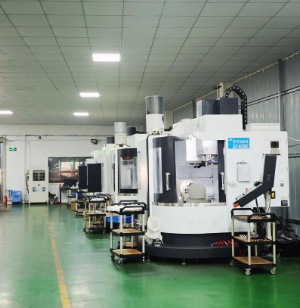
اختيار الشريك المصنِّع المناسب لعمليات القطع بالليزر
لقد حددت متطلبات المواد الخاصة بك، وفهمت القدرات المتعلقة بالتسامح، ووضّحت جدول زمني لمشروعك. والآن تأتي اللحظة الحاسمة التي تُقرّر ما إذا كان مشروع التصنيع باستخدام الليزر الخاص بك سيحقق النجاح أم سيعاني من التعثّر: وهي اختيار شريك التصنيع المناسب. ويؤثر هذا الاختيار في كل شيء، بدءًا من جودة الأجزاء وموثوقية التسليم، ووصولًا إلى الكفاءة التكلفة على المدى الطويل. ومع ذلك، يسارع العديد من المشترين إلى اتخاذ هذه القرارات بسرعة، مركزين فقط على الأسعار المُقدَّمة، بينما يتجاهلون عوامل أخرى تُعتبر في نهاية المطاف أكثر أهمية.
وعند البحث عن مُصنِّع معادن قريب من موقعك أو عند تقييم مورِّدين بعيدَي المدى، فإنك تحتاج إلى معايير منهجية تُميِّز الشركاء المؤهلين عن أولئك الذين سيسببون لك مشاكل في المستقبل. ووفقًا لمتخصصي القطاع، فإن المُصنِّع المعدني المناسب لا يقدّم قيمةً تتجاوز المنتج النهائي فحسب، بل يعزّز أيضًا الكفاءة، وضوابط الجودة، وتوفير التكاليف، وتسريع أوقات إنجاز المشاريع. ولنُفصّص معًا إطار التقييم الذي يساعدك على تحديد هؤلاء الشركاء بثقة.
شهادات الجودة المهمة لصناعتك
الشهادات ليست مجرد زينة للجدران. بل هي إثبات مُراجَع ومُوثَّق بأن المصنِّع يتبع عمليات موثَّقة، ويحافظ على جودةٍ متسقة، ويلبي المتطلبات الخاصة بالصناعة. وعند تقييم ورش التصنيع القريبة مني أو المورِّدين الدوليين، فإن هذه المؤهلات تدل على نضج العمليات.
الشهادات الأساسية التي يجب التحقق منها تشمل:
- ISO 9001: الشهادة الأساسية لإدارة الجودة. ووفقاً لخبراء التصنيع، فإن شهادة ISO 9001 تشير إلى انتظام عمليات الفحص، وإمكانية تتبع المنتجات، ونضج أنظمة مراقبة الجودة. ويجب أن يمتلك أي مورد جادٍّ هذه الشهادة.
- IATF 16949: ضرورية للتطبيقات automotive. وهذه المعايير الخاصة بالقطاع automotive تُبنى على أساس ISO 9001 مع متطلبات إضافية تتعلَّق بالوقاية من العيوب وجودة سلسلة التوريد. ويجب أن يُثبت الشركاء الذين يخدمون شركات تصنيع المعدات الأصلية (OEMs) في قطاع السيارات حصولهم على هذه الشهادة.
- AS9100: تتطلب متطلبات قطاع الطيران هذا المعيار النوعي الخاص بالجودة. فإذا كانت مكوناتك تُستخدم في الطائرات، فإن مورِّدك يجب أن يمتلك شهادة AS9100.
- ISO 13485: يتطلب تصنيع الأجهزة الطبية هذا المعيار الذي يتناول الامتثال التنظيمي وإدارة المخاطر الخاصة بالمنتجات الصحية
- الامتثال لقواعد ITAR: تتطلب التطبيقات الدفاعية والخاضعة للرقابة على التصدير تسجيلًا وفقًا لتنظيمات المرور الدولي في مجال الأسلحة (ITAR)
بالنسبة للمشاريع التي تتضمن مكونات من صفائح الفولاذ المقاوم للصدأ أو صفائح الألومنيوم المخصصة للصناعات الخاضعة للوائح التنظيمية، فإن التحقق من الشهادات المناسبة مسبقًا يمنع حدوث تأخيرات مكلفة ورفض الشحنات لاحقًا. وينبغي طلب نسخ من الشهادات الحالية والتحقق من صحتها عبر الجهات المصدرة لها عندما تكون المخاطر عالية.
يعتبر شاويي (نينغبو) تقنية المعادن كمثالٍ على توافق الشهادة مع القدرات. وتُظهر شهادتهم بموجب معيار IATF 16949 التزامهم بأنظمة الجودة الخاصة بالصناعة automobile، ما يجعلهم مناسبين بصفة خاصة لتصنيع الهيكل والتعليق والمكونات الإنشائية، حيث تتجاوز متطلبات التحمل والتوثيق معايير التصنيع العامة.
تقييم وقت الإنجاز والسعة الإنتاجية
ما مدى سرعة انتقال المورد من إصدار العرض إلى تسليم الأجزاء المُصنَّعة؟ إن هذه المسألة تكتسب أهمية أكبر مما يدركه العديد من المشترين. فتأخير المشاريع الناجم عن اختناقات في مرحلة التصنيع ينعكس سلبًا على جداول التجميع، ومواعيد إطلاق المنتجات، والالتزامات تجاه العملاء.
الاعتبارات الزمنية الرئيسية عند تقييم مورِّدي التصنيع المعدني المحليين أو الشركاء الخارجيين:
- سرعة الاستجابة للعروض السعرية: كم تبلغ المدة بين تقديم طلب الاقتباس (RFQ) واستلام الرد المتعلق بالأسعار؟ إن الموردين الذين يوفرون ردًّا خلال ١٢ ساعة على طلبات الاقتباس يُظهرون كفاءة تشغيلية عالية وتركيزًا قويًّا على احتياجات العميل. وتتميَّز شركة «شاويي» بهذا المعيار من خلال التزامها بتقديم عروض أسعار سريعة تُبقي عملية الشراء لديك في حركة مستمرة.
- فترة تنفيذ النماذج الأولية: تكشف العيّنات الأولى (First-article samples) عن القدرات الفعلية للمورد. أما الشركاء الذين يقدمون خدمة النماذج الأولية السريعة خلال ٥ أيام، فيمكنهم تمكين التكرارات التصميمية بشكل أسرع، وبالتالي اختصار الوقت اللازم لإطلاق المنتج في السوق. وهذه السرعة تكتسب قيمة لا تُقدَّر بثمن خلال مراحل تطوير المنتج، حيث تحدث التعديلات التصميمية بشكل متكرر.
- القدرة الإنتاجية: هل يمكن للمنشأة زيادة الإنتاج من الكميات الأولية النموذجية إلى أحجام الإنتاج الضخم دون انخفاض في الجودة؟ إن فهم عدد المعدات وجداول الورديات واستخدام الطاقة الإنتاجية يساعد في التنبؤ بموثوقية التسليم
- مصادر المواد: هل يقوم المورد بتخزين المواد الشائعة أم أنه يحصل على جميع المواد حسب الطلب؟ ويؤثر توفر صفائح المعادن القريبة من موقعك تأثيرًا كبيرًا في أوقات التسليم. أما الشركاء الذين لديهم سلاسل توريد مواد راسخة فيتجنبون تأخيرات الشراء
وفقًا لمعايير الصناعة، تتراوح أوقات التسليم القياسية بين ٣ و٥ أيام للأجزاء البسيطة، وتزداد لتصل إلى أسبوع أو أسبوعين للأجزاء المصبوغة أو المطلية أو المجمعة. وعليك تقييم ما إذا كانت الجداول الزمنية المُعلَّنة تشمل تكلفة الشحن، مع أخذ الموقع الجغرافي في الحسبان عند احتساب أوقات التسليم.
الدعم والتحسين المتعلق بالتصميم من أجل التصنيع
إن أفضل شركاء التصنيع لا يكتفون فقط بتنفيذ التصاميم التي ترسلها إليهم، بل يساعدونك في تحسين هذه التصاميم قبل بدء عمليات القطع، وذلك لاكتشاف المشكلات التي قد تتحول لاحقًا إلى مشكلات مكلفة.
ويشمل دعم DFM (التصميم من أجل التصنيع) القيِّم ما يلي:
- ملاحظات حول القابلية للتصنيع: تحديد الميزات التي تعقّد عملية الإنتاج، أو تزيد التكاليف، أو تعرّض الجودة للخطر قبل الالتزام بتصنيع القوالب أو بدء خطوط الإنتاج
- توصيات المواد: اقترح سبائك بديلة أو سماكات مختلفة تحقّق متطلباتك الوظيفية بتكلفة أقل أو بوفرة أفضل
- تحسين التحملات: تقديم المشورة بشأن المواضع التي تتطلّب فيها التحملات الضيقة دقةً فعليةً مقابل المواضع التي تكفي فيها القدرات القياسية، مما قد يقلّل التكلفة لكل قطعة
- الترتيب والتوزيع الأمثل للمواد (Nesting) واستخدامها: تعظيم عدد القطع المستخرجة من كل لوحة لتقليل الهدر في المواد والتكاليف
- تخطيط العمليات الثانوية: تنسيق تسلسل عمليات الطي واللحام والتشطيب لضمان تدفق إنتاجي فعّال
يدلّ دعم شاوي الشامل لتصميم القابلية للتصنيع (DFM) على هذا النهج الاستباقي، حيث يساعد العملاء على تحسين تصاميمهم لتناسب كلاً من القابلية للتصنيع والفعالية من حيث التكلفة قبل بدء الإنتاج. وغالبًا ما تؤدي هذه الشراكة إلى اكتشاف فرص توفيرٍ تُغطّي أي فروق ظاهرية في الأسعار بين المورّدين.
تقييم المرافق والمعدات والقدرات
فهم المعدات التي يستخدمها المورد يكشف عن قدراته الفعلية وراء الادعاءات التسويقية. وعند تقييم مُصنِّعي الفولاذ أو شركاء التصنيع المعدني العام، يجب الغوص في التفاصيل:
- أنواع تقنيات الليزر: هل يستخدمون ليزرات الألياف للمعادن، وأنظمة ثاني أكسيد الكربون (CO2) للمواد غير المعدنية، أم كليهما؟ فعمر المعدات وممارسات الصيانة تؤثر على جودة القطع وموثوقيته
- قدرات السُمك: هل يمكنهم تلبية متطلبات المواد الخاصة بك عبر كامل نطاق مشاريعك؟
- العمليات الثانوية: إن إجراء عمليات الثني واللحام وإدخال الملحقات والتشطيب داخليًّا يقلل من التعامل المتكرر مع القطع وأوقات التسليم مقارنةً بالاستعانة بمصادر خارجية لهذه الخطوات
- معدات التفتيش: توفر آلات قياس الإحداثيات (CMM) والمُقارنات البصرية (optical comparators) وإجراءات الفحص الموثَّقة ضمانًا لامتثال الأجزاء للمواصفات المحددة
- أتمتة الإنتاج: تشير أنظمة المناولة الآلية للمواد وقدرات التصنيع الليلية (lights-out manufacturing) إلى القدرة على إنتاج كميات كبيرة وبشكلٍ ثابت
حجم المنشأة أقل أهمية من مدى فعالية استغلال المساحة. فغالبًا ما تتفوق عملية منظمة جيدًا تشغل مساحة ٢٠٬٠٠٠ قدم مربع على منشأة فوضوية تشغل مساحة ٥٠٬٠٠٠ قدم مربع من حيث الجودة وموثوقية التسليم.
بناء قيمة الشراكة طويلة الأجل
أقل عرض سعر لا يُقدِّم غالبًا أقل تكلفة إجمالية. فكِّر في عوامل الشراكة التالية التي تؤثر في القيمة طويلة الأجل:
- جودة التواصل: الاتصال الفعّال والواضح يمنع سوء الفهم الذي يؤدي إلى التأخير وإعادة العمل. وقِّم كيفية تعامل المورِّدين المحتملين مع استفساراتك الأولية.
- حل المشكلات: كيف يتعامل المورِّد مع المشكلات عند ظهورها؟ اطلب منه قائمة بالمرجعيات واستفسر تحديدًا عن الكيفية التي تم بها معالجة المشكلات.
- الدعم الهندسي: الوصول إلى مهندسين أكفاء ومطلعين يمكنهم مناقشة المتطلبات الفنية يُسرِّع من تطوير المشروع.
- المرونة: هل يستطيع المورِّد تلبية الطلبات العاجلة، والتغييرات الهندسية، وتقلبات الكميات دون حدوث اضطرابات مفرطة؟
- الاستقرار المالي: يكتسب المورِّدون الذين سيظلون موجودين لدعم الإنتاج المستمر وخدمة الضمان أهميةً كبيرةً في البرامج طويلة الأجل.
عندما تؤدي بحثك عن صفائح معدنية قريبة منك أو عن شركاء دوليين مؤهلين إلى اتخاذ قرارات تقييمية، فتذكر أن السمعة داخل صناعتك تحمل وزنًا كبيرًا. ولا تتردد في طلب مراجع العملاء والاتصال بهم فعليًّا. واسألهم عن الالتزام بالمواعيد المتفق عليها في التسليم، وثبات الجودة، وكيفية تعامل المورد مع المشكلات.
يتحول الشريك التصنيعي المناسب من مورِّد عادي إلى ميزة تنافسية حقيقية. وبتقييمك المنظَّم للشهادات والقدرات واستجابة المورِّد وخدمات الدعم، فإنك تضع مشاريعك على طريق النجاح، وفي الوقت نفسه تبني علاقات تُحقِّق قيمةً عبر برامج متعددة. خذ وقتك الكافي في اتخاذ هذا القرار. فالساعات التي تستثمرها في تقييم المورِّدين بدقةٍ ستعود عليك بأرباحٍ في كل دفعة إنتاج تليها.
الأسئلة الشائعة حول التصنيع بالقطع بالليزر
١. ما هي عملية التصنيع بالقطع بالليزر؟
القص بالليزر هو عملية حرارية يذيب أو يبخر أو يحترق بها شعاع الليزر المركّز المادة على طول المسارات المبرمجة. وتبدأ هذه العملية بإعداد ملف التصميم بصيغة المتجهات، تليها عملية تحسين الترتيب (Nesting) وتكوين المعايير. ويُستخدم تيار غاز محوري لإخراج المادة المنصهرة لتكوين الشق. وتوجّه أنظمة التحكم العددي الحاسوبي (CNC) رأس الليزر بدقة تصل إلى مستوى الميكرون، مما يسمح بتصنيع أشكال هندسية معقدة دون تلامس ميكانيكي. وتشمل خيارات ما بعد المعالجة إزالة الحواف الحادة (Deburring)، والثني، ومعالجات التشطيب مثل الطلاء البودرية أو الأكسدة الكهربائية (Anodizing).
٢. ما نوع التصنيع الذي يمثله القص بالليزر؟
القص بالليزر هي تقنية تصنيع تعتمد على الحرارة ولا تتطلب تلامسًا، وتُستخدم في قطاعات صناعية متعددة. وتتفوق هذه التقنية في معالجة المعادن مثل الفولاذ المقاوم للصدأ والألومنيوم والنحاس، وبتّolerances تصل إلى ±0.003 بوصة. كما يمكن لهذه التقنية معالجة البلاستيك والخشب والمواد المركبة. وتسود الليزرات الأليافية في معالجة المعادن بكفاءة تزيد عن ٩٠٪، بينما تتفوق الليزرات الغازية من نوع CO2 في معالجة المواد غير المعدنية. وتشمل التطبيقات أجزاء السيارات ومكونات الطيران والفضاء والأجهزة الطبية والإلكترونيات وأعمال المعادن المعمارية.
٣. ما مدى دقة القص بالليزر مقارنةً بالطرق الأخرى؟
تُحقِّق قصّ الليزر دقةً تتراوح بين ±0.003 و±0.005 بوصة، وهي دقةٌ تفوقُ بكثيرٍ دقة قصّ البلازما (±0.020 بوصة). ويمكن لأنظمة الليزر الليفية المتقدمة تركيز الحزمة إلى ما يقارب ١٠–٢٠ ميكرون، مما يمكِّن من تنفيذ تفاصيل معقَّدة لا يمكن تحقيقها بالطرق الميكانيكية. كما يمكن الوصول إلى عرض الشق (Kerf) الضيق جدًّا والبالغ ٠.١٠ مم. وتتفاوت الدقة باختلاف نوع المادة، حيث تُحقِّق المعادن مثل الصلب اللين والفولاذ المقاوم للصدأ أضيق التسامحات. وجميع العوامل التالية تؤثِّر في الدقة النهائية: معايرة الجهاز، وجودة العدسة، وسُمك المادة.
4. ما المواد التي يمكن قطعها بالليزر؟
تتعامل قصّ الليزر مع مجموعة واسعة من المواد. وتشمل المعادن الصلب المُنتَج بدرجة حرارة منخفضة، والفولاذ المقاوم للصدأ، والألومنيوم، والنحاس الأصفر، والنحاس، والتيتانيوم، وبسماكات تصل إلى ٥٠ مم. وتُقَصّ البلاستيكيات مثل الأكريليك، والبولي كربونات، وHDPE، وديلرين بوضوح باستخدام ليزر CO2. كما أن الخشب، والجلد، والمنسوجات، والورق، والمواد المركبة متوافقة أيضًا مع هذه التقنية. ومع ذلك، لا يجوز أبدًا قص مادة PVC بالليزر لأنها تطلق غاز الكلور السام. أما المعادن العاكسة مثل الألومنيوم والنحاس فتتطلب استخدام ليزر الألياف، في حين تعمل أنظمة ليزر CO2 بشكل أفضل مع المواد غير المعدنية.
٥. كيف أختار بين قصّ الليزر وطرق التصنيع الأخرى؟
اختر قص الليزر للمواد الرقيقة التي يقل سمكها عن ١٥ مم، والتسامحات الضيقة التي تقل عن ±٠٫٠٠٥ بوصة، والتفاصيل المعقدة، والحافات النظيفة الخالية من الحواف البارزة. وانتقِ قص البلازما للمعادن الموصلة السميكة التي يزيد سمكها عن ٢٥ مم، حيث تكون السرعة أكثر أهمية من جودة الحافة. ويُعد القص بالماء المضغوط مناسبًا للمواد الحساسة للحرارة والمواد السميكة جدًّا. أما القص بالقالب فيصلح أفضل ما يصلح لإنتاج أعداد كبيرة جدًّا من الأشكال البسيطة. وتتولى الطحن باستخدام التحكم العددي الحاسوبي (CNC) الملامح ثلاثية الأبعاد والأسطح المنحنية. وتدمج العديد من الورش التقنيات المختلفة، بحيث تُطبَّق كل طريقة وفقًا لمتطلبات المشروع المحددة.